
Daily Habits Dentists Recommend for Healthy Teeth
Your smile is one of the first things people notice—and keeping it healthy doesn’t require complicated routines or expensive treatments. In fact, most dentists agree that strong, healthy teeth come down to simple daily habits done consistently.
If you’ve ever wondered why cavities or gum issues still happen even when you brush regularly, the answer often lies in how and when you care for your teeth—not just if you do.
Let’s break down the daily habits dentists truly recommend—and how you can easily fit them into your routine.
1. Brush Twice a Day (But Do It the Right Way)
Brushing twice daily sounds basic, but technique matters more than most people realize.
What dentists recommend:
- Brush for at least 2 minutes
- Use a soft-bristled toothbrush
- Hold your brush at a 45-degree angle to your gums
- Clean every surface gently and thoroughly
Morning brushing removes bacteria buildup overnight, while nighttime brushing clears away plaque and food from the day.
Skipping your nighttime routine is one of the most common causes of preventable dental issues.
2. Don’t Skip Flossing
If brushing cleans about 60% of your tooth surface, flossing handles the rest.
Flossing once a day helps:
- Remove food between teeth
- Prevent plaque buildup
- Reduce gum inflammation
If flossing feels difficult, floss picks or water flossers can make it easier. What matters most is consistency.
3. Stay Hydrated Throughout the Day
Water does more than quench your thirst—it naturally cleans your mouth.
Drinking water helps:
- Wash away food debris
- Neutralize acids
- Prevent dry mouth
In places like Jacksonville, where the weather can often be warm and humid, staying hydrated becomes even more important. Dehydration can lead to bad breath and increase the risk of cavities.
4. Choose Tooth-Friendly Foods
Your diet plays a major role in your dental health.
Best foods:
- Crunchy fruits and vegetables (apples, carrots)
- Dairy products (cheese, yogurt)
- Leafy greens
Limit:
- Sugary snacks
- Sticky candies
- Acidic drinks like soda
A balanced diet helps protect your enamel and overall oral health.
5. Avoid Constant Snacking
Frequent snacking—especially on sugary foods—keeps your teeth under constant acid attack.
Each time you eat, bacteria produce acids that weaken enamel. Giving your mouth time to recover between meals is essential.
Tip: Choose low-sugar snacks and rinse your mouth with water afterward.
6. Protect Your Teeth from Grinding
Teeth grinding (often during sleep) can lead to:
- Tooth wear
- Jaw pain
- Cracks or fractures
If you wake up with jaw discomfort or headaches, it may be worth discussing with your dentist. A custom nightguard can help protect your teeth.
7. Replace Your Toothbrush Regularly
Using an old toothbrush is like cleaning with worn-out tools—it simply doesn’t work well.
Replace your toothbrush:
- Every 3–4 months
- After recovering from illness
- When bristles start to fray
A fresh toothbrush ensures better cleaning and healthier gums.
8. Use Fluoride Toothpaste
Fluoride strengthens enamel and helps prevent cavities.
It works by:
- Repairing early tooth decay
- Protecting against acid damage
- Keeping teeth strong
Using fluoride toothpaste daily is a simple but powerful habit.
9. Keep Up with Regular Dental Visits
Even with perfect habits, professional care is still necessary.
Routine checkups allow dentists to:
- Catch issues early
- Perform deep cleanings
- Offer personalized advice
If it’s been more than six months since your last visit, it might be time to schedule one with a trusted dentist.
10. Build a Night Routine You Won’t Skip

Most people skip dental care when they’re tired.
Make it easier by:
- Brushing earlier in the evening
- Keeping tools easily accessible
- Pairing it with another habit (like skincare)
Consistency at night is one of the biggest factors in preventing dental problems.
Why These Habits Matter
Small daily habits create long-term results.
Neglecting even one habit can lead to:
- Cavities
- Gum disease
- Bad breath
- Expensive treatments
On the other hand, consistency helps maintain a healthy smile and reduces the need for complex dental care.
A Quick Tip for Staying Consistent
No matter where you live, busy schedules and daily responsibilities can make it easy to overlook oral care. In cities like Jacksonville, where routines can be fast-paced and weather often stays warm, staying consistent with simple dental habits becomes even more important.
Whether you’re heading to work, managing family life, or just getting through a busy day, building a quick and effective routine can help you stay on track—without extra stress.
Final Thoughts
Healthy teeth don’t happen overnight—they’re built through small, consistent habits. The good news is that these habits are simple and easy to follow.
By making oral care part of your daily routine, you can protect your smile, improve your health, and avoid unnecessary dental problems.
Schedule Your Dental Checkup
If it’s been a while since your last visit or you’re experiencing any discomfort, getting professional care is a smart next step.
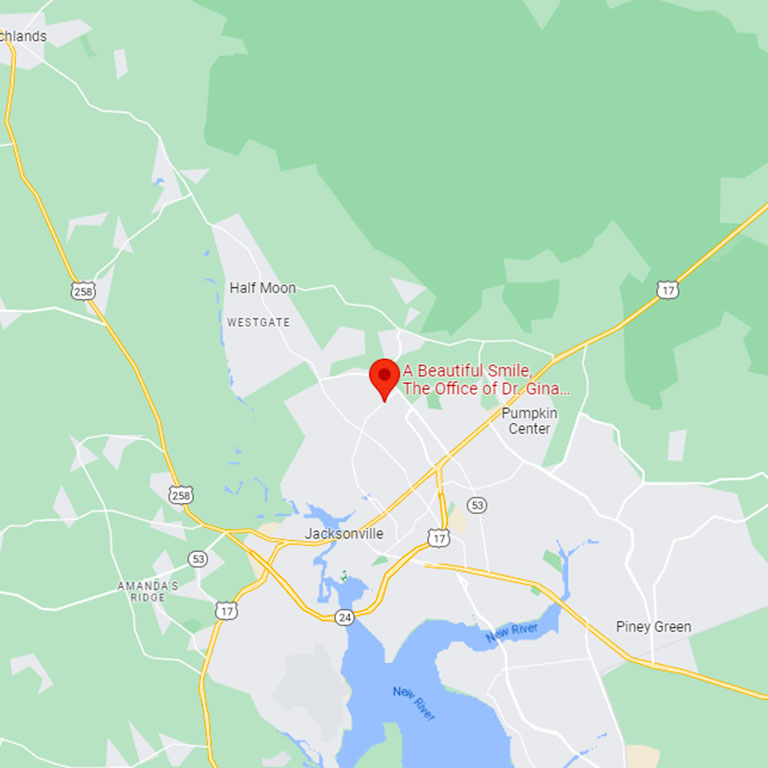
At A Beautiful Smile, The Office of Dr. Gina Mancini in Jacksonville, NC, patients receive personalized care focused on prevention and long-term oral health. Their team helps you stay on track with routine cleanings, early detection, and practical guidance tailored to your lifestyle.
Scheduling a visit is a simple way to protect your smile and maintain healthy teeth for years to come.
FAQs
1. How often should I brush my teeth daily?
You should brush at least twice a day—once in the morning and once before bed.
2. Is flossing really necessary every day?
Yes. Flossing removes plaque and food particles that your toothbrush can’t reach.
3. What foods help keep teeth healthy?
Foods like apples, carrots, cheese, and leafy greens are great for maintaining strong teeth.
4. When should I visit a dentist?
It’s recommended to visit every six months, or sooner if you notice pain or discomfort.
5. Can drinking water really improve oral health?
Absolutely. Water helps rinse away bacteria and keeps your mouth hydrated.
 Find Us on Google Maps
 Find Us on Apple Maps