
Dental Care For Kids vs Adults: What Changes And Why It Matters
Dental care isn’t something that stays the same year after year. Your teeth, gums, and habits all change over time, and your oral care routine needs to keep up.
In Jacksonville, life often revolves around a mix of coastal relaxation and busy schedules. Whether you’re taking a quiet walk at Lejeune Memorial Gardens or heading out toward Hammocks Beach State Park for the weekend, it’s easy for routines to shift.
That’s exactly why family dentistry in Jacksonville plays such an important role. It helps ensure that every stage of life gets the right level of care, no matter how your lifestyle changes.
So what actually changes with your dental health over time, and why should you care?
How Oral Needs Evolve Over Time?
Your teeth go through several stages, and each stage comes with its own challenges.
In the early years, teeth are still developing. Enamel is thinner, and the risk of decay is higher. Brushing habits are also still forming, which can make consistency difficult.
As you move into adulthood, the focus shifts. Teeth are fully developed, but they face daily wear from chewing, grinding, and exposure to different foods.
Over time, you may notice:
- Increased sensitivity to hot or cold foods
- Gradual enamel wear from years of use
- Higher chances of plaque buildup
- Changes in gum health
These natural changes explain why tooth care should never be “one-size-fits-all.”
The Foundation Years: The Early Years That Shape Your Child’s Smile
Many parents assume baby teeth don’t matter much because they fall out anyway. That’s one of the most common and costly misconceptions in oral care.
Baby teeth hold space in the jaw for permanent teeth. When they’re lost too early due to decay, neighboring teeth drift. That leads to crowding, misalignment, and expensive orthodontic work down the road.
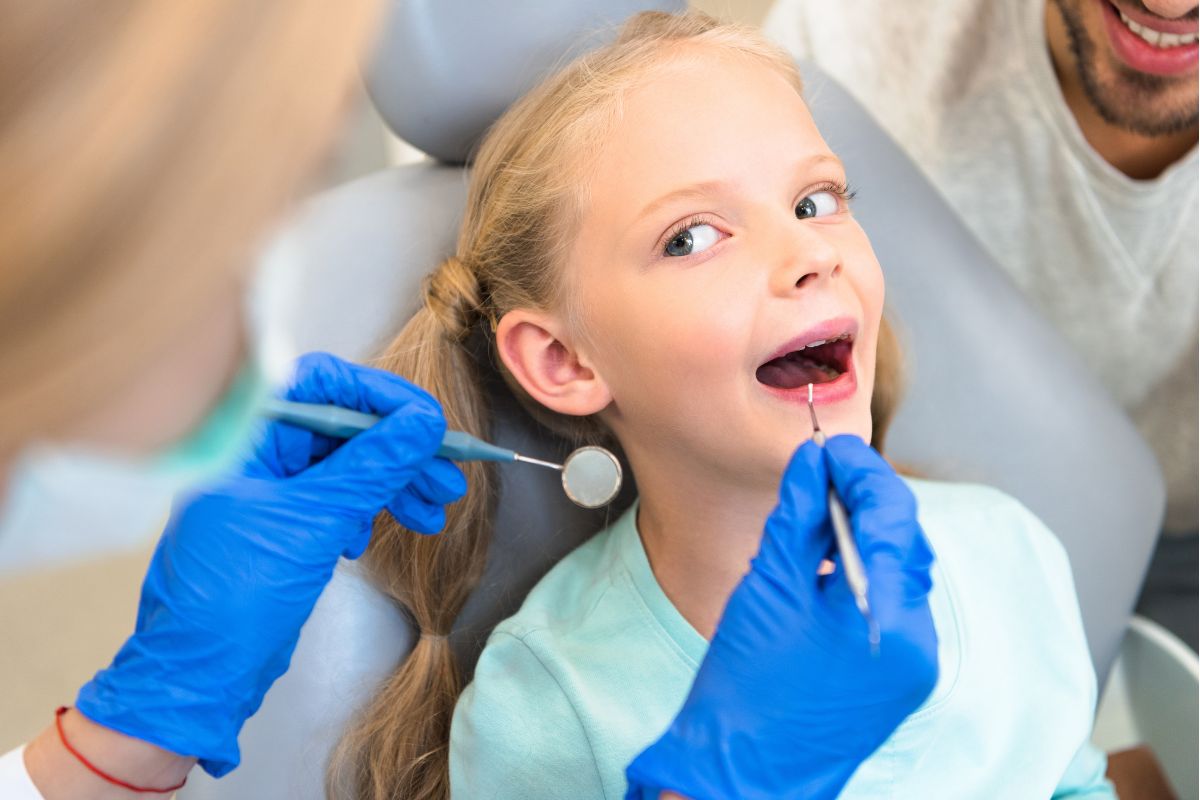
What’s different about young smiles:
- Enamel is thinner. Primary teeth have thinner enamel than permanent ones, making them more vulnerable to cavities. Even small amounts of sugar can cause damage faster.
- Cavity risk is higher. The American Academy of Pediatric Dentistry reports that tooth decay is the most common chronic childhood disease in the U.S., five times more common than asthma.
- Fluoride needs are specific. Too little fluoride increases cavity risk. Too much before age 8 can cause fluorosis, white spots or streaks on developing permanent teeth. Thus, the dosage matters.
- First dental visit should happen early. The American Dental Association recommends a first dental visit by the first birthday or within six months of the first tooth appearing.
The Teenage Years: A Whole New Set Of Challenges
Adolescence brings permanent teeth, hormonal changes, and, honestly, less-than-ideal brushing habits. This stage requires a different kind of vigilance.
Hormonal shifts during puberty can cause gum inflammation, even in teenagers who brush regularly. This is sometimes called “puberty gingivitis,” and it’s more common than most parents know. It typically resolves with consistent care, but if left untreated, it can progress to gum disease.
Teens also face unique risks:
- Orthodontic care is most common during these years. Braces or aligners require more precise cleaning to avoid decay around brackets.
- Wisdom teeth begin forming. Early monitoring through X-rays helps dentists plan ahead and prevent future pain or crowding.
- Sports injuries are a real concern. A custom mouthguard, not a generic drugstore version, significantly reduces the risk of broken or knocked-out teeth.
Adulthood: Maintenance, Prevention, And Watching For New Threats
Once permanent teeth are in place, the goal shifts from development to preservation. But that doesn’t mean grown-ups’ oral care is simpler. A trusted dentist in Jacksonville will tell you that many adults unknowingly grind their teeth at night, a condition called bruxism. It’s often linked to stress, and it silently wears down enamel over months and years. Busy professionals, parents juggling schedules, and active retirees are all susceptible.
Key changes in seniors’ oral health:
- Gum disease becomes the primary concern. The CDC estimates nearly half of grown-ups over 30 have some form of periodontal disease. It’s the leading cause of tooth loss in elders, not cavities.
- Dry mouth increases with age. Many prescription medications list dry mouth as a side effect. Saliva is your mouth’s natural defense against bacteria. Less saliva means a higher risk of decay, even with good brushing habits.
- Root sensitivity develops. As gum tissue naturally recedes with age, tooth roots become exposed. This leads to the sensitivity.
- Oral cancer screening becomes essential. Dentists screen for early signs of oral cancer during routine exams. Catching it early significantly improves outcomes. Individuals over 40 are at higher risk, especially with tobacco or alcohol use.
Senior Dental Health: Often Overlooked But Always Important
Many older adults believe that tooth care matters less once they’ve kept their teeth this long. However, the truth is quite the opposite. Oral health in later years is closely tied to overall health in ways that continue to surprise researchers.
Studies have linked untreated periodontal disease to increased risk of heart disease, diabetes complications, and even certain respiratory conditions.
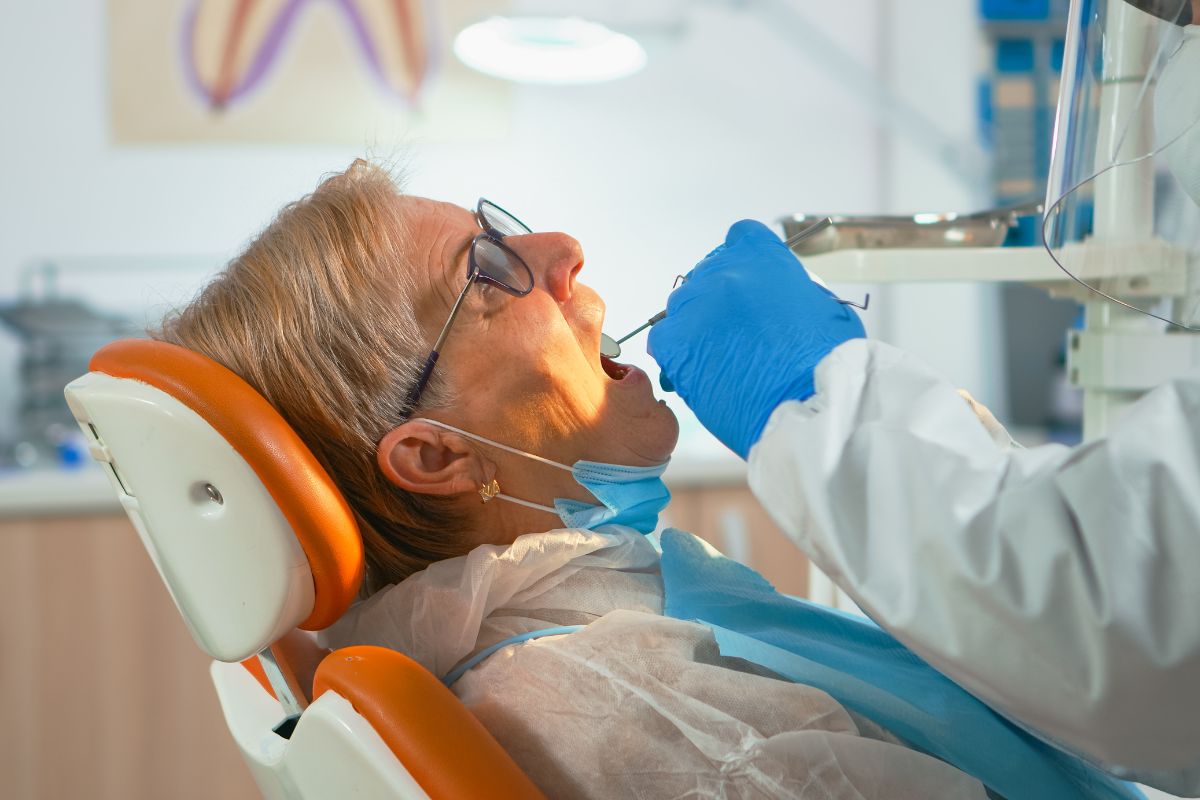
What to watch for:
- Loose-fitting dentures that cause sore spots or difficulty eating
- Dry mouth from medications (over 400 common drugs cause it)
- Darkening teeth, which can signal decay beneath the surface
- Changes in bite or jaw alignment
Annual routine visits are not optional at this stage. They’re one of the most effective health decisions a senior can make.
Why Understanding These Changes Matters?
When you understand how your oral needs evolve, you can take a more proactive approach to care. Instead of reacting to problems, you can prevent them.
Ignoring these changes can lead to:
- Higher risk of tooth decay
- Ongoing gum issues
- More complex and costly treatments
Staying informed helps you stay in control of your oral health.
Why A One-Size Approach Doesn’t Work?
It’s easy to assume that brushing and flossing the same way will always be enough. While these habits are essential, they don’t cover everything. Your tooth health needs change based on age, lifestyle, and overall health. What worked five years ago may not be enough today. Personalized care helps fill that gap. It ensures your routine aligns with your current needs rather than relying on outdated habits.
Building A Routine That Grows With You
A strong oral care routine should evolve as your life changes. Start with the basics:
- Brush twice daily using fluoride toothpaste
- Floss regularly
- Maintain consistent dental visits
Then adjust your routine over time:
- Use products made for sensitivity if needed
- Pay closer attention to gum care
- Address habits like grinding or clenching early
In Jacksonville, where life moves between laid-back beach days and active schedules, flexibility is key. A routine that adapts is easier to maintain over the long term.
One Aspect That Never Changes: Prevention Wins Every Time
Across every age group, the evidence is clear that prevention is always cheaper, less painful, and more effective than treatment. Twice-daily brushing, daily flossing, limiting sugary drinks, and regular professional cleanings form the foundation of healthy teeth at any age. Whether you’re scheduling your junior’s first appointment, keeping up with your teenager’s ortho check-ins, or managing your own gum health, partnering with our reliable family dentistry in Jacksonville means your child and your family get care that actually helps. Because a healthy smile isn’t just about looking good. Contact us now!
Frequently Asked Questions (FAQs)
Q. How often should I schedule dental checkups for my family?
Most dental professionals recommend visits every six months for routine exams and cleanings. However, some individuals may need more frequent visits based on their oral health, risk of gum disease, or history of cavities.
Q. When should a child first visit the dentist?
The American Dental Association recommends a first dental visit by age one or when the first tooth appears. Early visits help monitor development, prevent issues, and make dental care feel familiar and comfortable.
Q. Is an electric toothbrush better than a manual toothbrush?
Electric toothbrushes can be more effective at removing plaque, especially for those who struggle with proper brushing technique. However, a manual toothbrush can still work well if used correctly and consistently with proper technique.
Q. How does oral health affect overall health?
Oral health is closely linked to overall health. Conditions like gum disease have been associated with heart disease, diabetes, and inflammation. Maintaining good oral hygiene supports both your smile and your general well-being.
Q. Can diet really impact dental health long-term?
Yes, diet plays a major role in oral health. Frequent sugar intake feeds harmful bacteria, while nutrient-rich foods help strengthen enamel and support gum health over time.
Q. Why do some people get cavities more easily than others?
Cavity risk depends on several factors, including genetics, diet, oral hygiene habits, and saliva production. Some individuals naturally have a higher risk and may need more preventive care and monitoring.
 Find Us on Google Maps
 Find Us on Apple Maps