Does Zoom Teeth Whitening Cause Sensitivity? 7 Facts to Know
Does Zoom teeth whitening cause sensitivity? Yes, some patients may experience temporary tooth sensitivity during or after professional whitening. This can happen regardless of where a person lives. For patients considering teeth whitening Jacksonville, understanding why sensitivity occurs, how long it may last, and what may help can make the treatment process easier to understand.
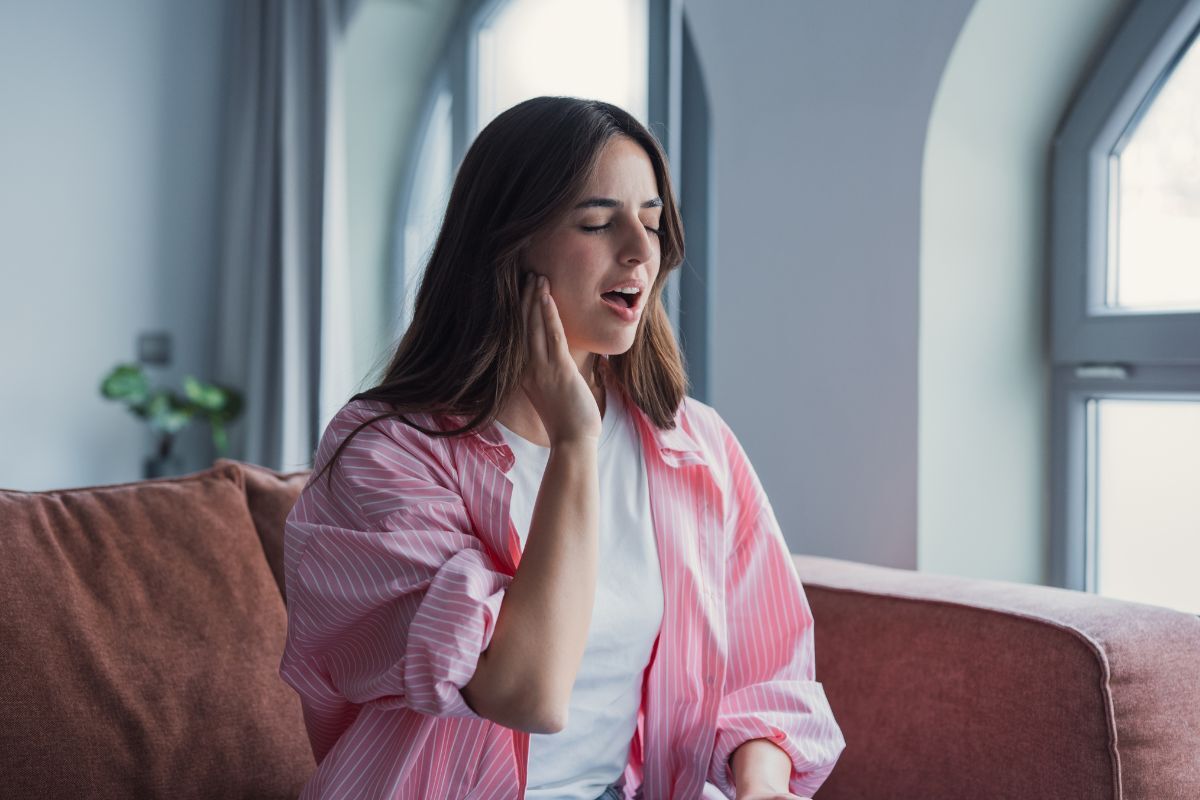
Sensitivity does not affect everyone in the same way. Some people notice mild discomfort when drinking something cold, while others experience brief, sharp sensations that come and go. In most cases, whitening-related sensitivity is temporary and improves after treatment.
Does Zoom Teeth Whitening Cause Sensitivity?
Zoom teeth whitening can cause temporary sensitivity in some patients, but the experience varies from person to person. The whitening process uses peroxide-based ingredients that help break down stains within the tooth. During or shortly after treatment, some patients may notice increased sensitivity to cold air, cold drinks, or certain foods.
Temporary tooth sensitivity and mild gum irritation are among the most common side effects associated with tooth whitening. The intensity may be influenced by the whitening method, the concentration of the whitening agent, the length of exposure, and a patient’s existing dental sensitivity.
Sensitivity does not necessarily mean that the treatment has damaged the teeth. However, discomfort should be discussed with a dental professional, especially if it is severe, lasts longer than expected, or affects only one tooth.
Why Does Zoom Teeth Whitening Make Teeth Sensitive?
Whitening products work by allowing peroxide-based ingredients to move through the outer layers of the tooth and break down stain-causing compounds. This process can temporarily affect the inner tooth tissues and make the teeth more responsive to temperature changes.
Sensitivity may feel like:
- A quick, sharp sensation
- A mild ache
- Increased sensitivity to cold drinks
- Brief discomfort when breathing through the mouth
- A sudden “zing” in one or more teeth
These sensations are usually temporary. Some patients experience sensitivity during treatment, while others notice it several hours afterward.
Does Zoom Teeth Whitening Cause Sensitivity in Everyone?
No. Some patients experience little or no sensitivity, while others may notice temporary discomfort. A person’s natural tooth sensitivity, gum health, enamel condition, and previous dental treatment may influence how the teeth respond.
A dental examination before whitening can help identify concerns such as cavities, exposed root surfaces, worn enamel, or gum recession that may contribute to sensitivity. The American Dental Association recommends a dental evaluation to identify factors that may affect whitening treatment and to review a patient’s history of tooth sensitivity.
How Long Does Sensitivity Last After Zoom Whitening?
Most whitening-related sensitivity is temporary and may improve within several hours to a few days. The exact timeline varies based on the patient and the type of whitening treatment used.
For some people, sensitivity may be mild and disappear by the next day. Others may notice temporary discomfort for several days. If sensitivity continues, becomes more intense, or does not improve, contact a dental professional.
You should not assume that every type of tooth pain is caused by whitening. Persistent pain may be related to an untreated cavity, a cracked tooth, gum recession, or another dental concern.
Who Is More Likely to Experience Tooth Sensitivity?
Certain factors may increase the likelihood of sensitivity during or after whitening.
You may be more likely to experience discomfort if you have:
- A history of sensitive teeth
- Gum recession or exposed tooth roots
- Worn or weakened enamel
- Untreated cavities
- Cracked or damaged teeth
- Recent dental treatment
- Existing gum irritation
- A history of sensitivity after whitening
Patients with crowns, veneers, fillings, or other tooth-colored restorations should also understand that whitening products affect natural tooth structure but do not whiten restorations. A dental evaluation can help determine whether whitening is appropriate and whether color differences may become noticeable.
How Can You Reduce Sensitivity After Zoom Whitening?
Several steps may help make temporary sensitivity more manageable.
Use a Toothpaste for Sensitive Teeth
A toothpaste formulated for sensitive teeth may help reduce discomfort when used as directed. Ask your dental professional which option is appropriate for your needs.
Avoid Very Hot or Cold Foods
Extremely hot or cold foods and drinks may trigger sensitivity shortly after whitening. Choose foods and beverages at moderate temperatures until your teeth feel comfortable again.
Follow the Recommended Treatment Schedule
Do not repeat whitening sessions sooner than recommended. More frequent treatment does not always produce better results and may increase the risk of irritation or sensitivity.
Use Only the Recommended Amount of Whitening Gel
If you are using a dentist-supervised take-home option, follow the instructions for the amount of gel and the length of wear. Using extra product or extending treatment time may increase discomfort.
Tell Your Dental Team About Previous Sensitivity
If you have experienced sensitivity from whitening in the past, mention it before treatment. Your dental professional may recommend adjustments based on your oral health and treatment needs.
What Should You Avoid After Teeth Whitening?
After whitening, the teeth may be temporarily more sensitive. During this period, it may help to avoid:
- Ice-cold drinks
- Very hot coffee or tea
- Highly acidic foods and beverages
- Hard foods that may cause discomfort
- Aggressive brushing
- Using additional whitening products without guidance
Use a soft-bristled toothbrush and brush gently. Avoid scrubbing the teeth because aggressive brushing may contribute to enamel wear and gum recession.
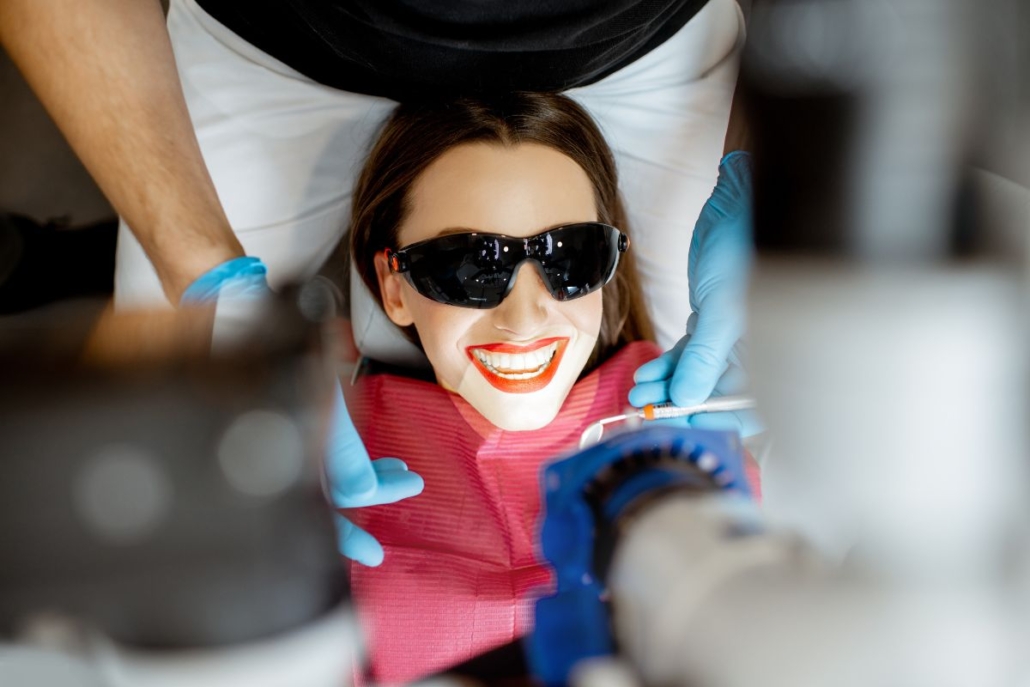
If you are considering professional Zoom teeth whitening, a consultation can help determine the most appropriate option based on your current oral health and sensitivity history.
Is Zoom Whitening Safe for Sensitive Teeth?
Zoom whitening may still be an option for some people with sensitive teeth, but a dental evaluation is recommended before treatment. The cause and severity of sensitivity should be considered before deciding on a whitening approach.
A dental professional may evaluate:
- Existing tooth sensitivity
- Gum recession
- Enamel wear
- Cavities or damaged teeth
- Previous reactions to whitening
- Existing crowns, veneers, or fillings
If a patient has untreated dental concerns, those issues may need attention before whitening. A personalized approach can help reduce unnecessary discomfort and support a safer treatment experience.
What Should I Do If My Teeth Hurt After Whitening?
If you experience mild sensitivity, avoid very hot or cold foods and follow the aftercare instructions provided by your dental team. Sensitivity often improves as the teeth return to their normal response.
Contact a dental professional if you experience:
- Severe or worsening pain
- Sensitivity that does not improve
- Pain when biting or chewing
- Swelling around a tooth or gum
- Sensitivity limited to one tooth
- Pain that interrupts sleep
These symptoms may not be caused by whitening alone and may require an examination.
How Do I Find a Dentist in Jacksonville, NC, for Teeth Whitening?
If you are searching for a dentist in Jacksonville NC because you are concerned about whitening sensitivity, schedule a consultation before starting treatment. A dental examination can help identify existing concerns and determine whether professional whitening is suitable for your smile.
Patients in Jacksonville and nearby communities can benefit from discussing their sensitivity history, treatment goals, and previous whitening experiences before choosing an option.
A Brighter Smile Does Not Have to Mean Long-Term Sensitivity
So, does Zoom teeth whitening cause sensitivity? It can cause temporary sensitivity in some patients, but the symptoms are often mild and improve after treatment. The experience depends on individual factors, including existing tooth sensitivity, oral health, and the whitening approach used.
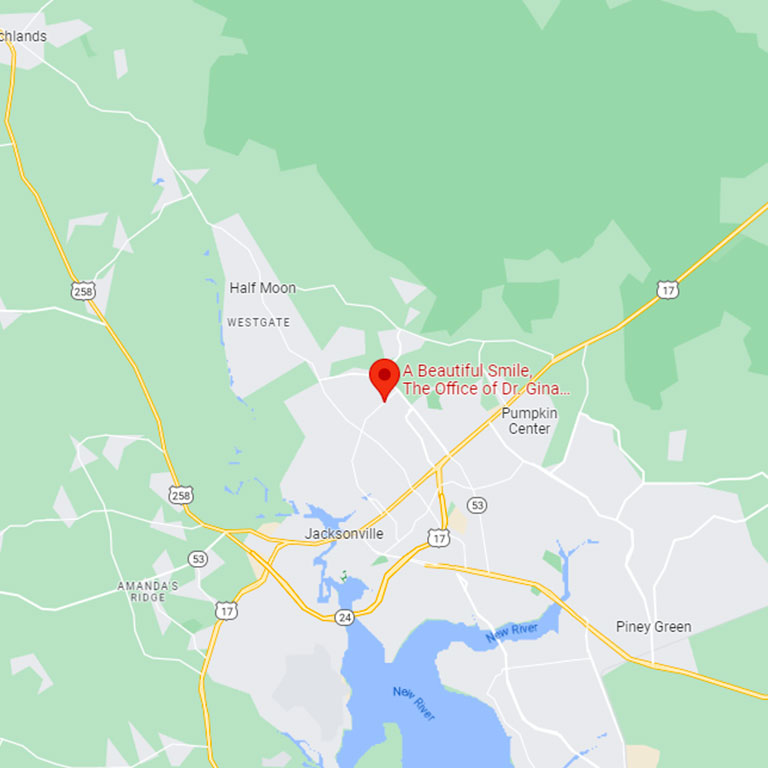
If you are considering professional whitening and want to discuss sensitivity concerns, A Beautiful Smile, The Office of Dr. Gina Mancini is located at 3685 Henderson Dr, Jacksonville, NC 28546. Call (910) 347-9100 to schedule a consultation and learn which whitening option may be appropriate for your smile.
Frequently Asked Questions
1. How long does Zoom whitening sensitivity last?
Sensitivity may last for several hours or a few days, depending on the patient and treatment approach. If discomfort does not improve or becomes more severe, contact a dental professional.
2. Can I use sensitive toothpaste before Zoom whitening?
A toothpaste designed for sensitive teeth may be recommended for some patients. Ask your dental professional before treatment for guidance based on your specific needs.
3. Does Zoom whitening damage enamel?
Professional whitening is generally considered safe when performed appropriately. However, whitening should be used as directed, and repeated or excessive use may increase the risk of sensitivity or irritation.
4. Why does one tooth hurt more after whitening?
One tooth may be more sensitive because of an underlying concern such as a cavity, crack, exposed root, or previous dental treatment. If the discomfort is persistent or severe, schedule an examination.
5. Can I whiten my teeth if I already have sensitive teeth?
Possibly. A dental evaluation can help identify the cause of sensitivity and determine whether whitening is appropriate. Your dental professional may recommend an adjusted approach based on your oral health.
 Find Us on Google Maps
 Find Us on Apple Maps