
How Long Does Invisalign Take to Work?
If you’ve been thinking about straightening your teeth but want something discreet and flexible enough to fit your lifestyle, Invisalign is often the first solution people explore. One of the most common questions we hear from patients around Jacksonville is simple: How long does Invisalign actually take to work?
The timeline depends on your unique smile, what you hope to achieve, and how consistently you wear your aligners. Let’s break down what you can expect on your Invisalign journey.
The Average Invisalign Timeline
For most teens and adults, Invisalign treatment typically lasts:
- 6 to 12 months for mild crowding or small gaps
- 12 to 18 months for moderate alignment concerns
- Up to 24 months for more complex bite corrections
Many patients begin noticing subtle changes within the first 6 to 8 weeks. Teeth gradually shift as you move through a series of custom aligners, usually switching trays every one to two weeks.
The most important factor? Wearing your aligners 20–22 hours per day.
What Can Affect Your Treatment Time?
Not every smile moves at the same pace. Several factors influence how long your Invisalign journey will take.
1. The Complexity of Your Case
Minor spacing issues can often be corrected quickly. However, overbites, underbites, and crossbites require more detailed movement, which naturally takes longer.
2. Age
Teenagers sometimes see slightly faster results because their jaws are still developing. Adults achieve excellent outcomes too, though movement can be slightly more gradual.
3. Consistency
Removing aligners too often or forgetting to wear them overnight can slow progress. Invisalign works best when it’s part of your daily routine.
4. Refinements
Some patients need small finishing adjustments near the end of treatment to perfect their smile. This can add a few additional weeks.
When Will I Start Seeing Results?
One of the most exciting parts of Invisalign is that progress happens steadily. Most patients notice:
- Subtle shifting within the first month
- Visible improvements by month three
- Significant changes by mid-treatment
For busy professionals, military families, and students, the clear aligners offer a low-profile option that fits easily into daily life. Whether you’re heading to work, attending local events, or enjoying time with family on the weekends, you can improve your smile without drawing attention to orthodontic treatment.
If you’re researching invisalign options, a personalized consultation will give you a precise estimate based on your current alignment and long-term goals.
What Happens During Treatment?
Understanding the process makes the timeline feel less overwhelming.
Digital Consultation
Your dentist takes a detailed 3D scan of your teeth. This allows you to see a preview of your expected results before treatment even begins.
Custom Aligner Series
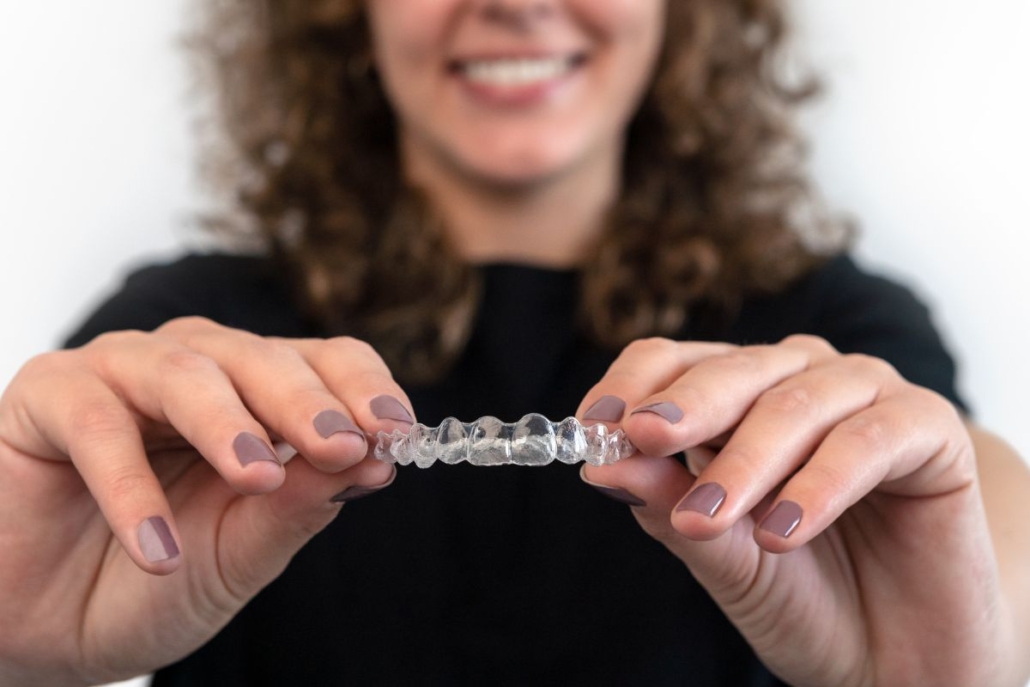
You’ll receive a sequence of clear trays designed specifically for your teeth. Each set gently guides your smile closer to alignment.
Progress Check Appointments
You’ll have periodic visits to ensure everything is moving according to plan. These appointments are typically quick and comfortable.
Retention Phase
Once your treatment is complete, you’ll wear a retainer to maintain your new smile and prevent shifting.
Is Invisalign Faster Than Braces?
In many mild to moderate cases, Invisalign can work just as fast — or sometimes faster — than traditional braces. However, more complex orthodontic concerns may require similar treatment time.
The real advantage for many patients is convenience:
- No food restrictions
- No metal brackets or wires
- Fewer unexpected emergency visits
This flexibility makes it easier to stay consistent, which helps keep your timeline on track.
How to Stay on Schedule
If you want your Invisalign treatment to stay efficient, keep these tips in mind:
- Wear your aligners at least 20–22 hours daily
- Switch trays exactly when instructed
- Clean aligners regularly to prevent staining
- Keep them stored safely when removed
- Attend all follow-up visits
Consistency truly makes a difference in how quickly you see results.
Is Invisalign Worth It?
For many patients, the answer is yes.
A straighter smile does more than enhance your appearance. Proper alignment makes brushing and flossing easier, reduces uneven wear on teeth, and supports better bite function. Over time, this contributes to stronger long-term oral health.
Patients often share that once treatment is complete, they wish they had started sooner. The months invested in treatment feel small compared to the lasting confidence gained.
Planning Around Life Events
If you have a wedding, graduation, or major event coming up in the Jacksonville area, be sure to mention it during your consultation. While teeth cannot move faster than biology allows, starting early ensures you see noticeable improvements before important milestones.
Even partial alignment can make a meaningful difference in photos and everyday confidence.
Start Your Invisalign Journey with Confidence
If you’re ready to explore clear aligner treatment, contact us today to schedule your consultation. Our team is here to create a personalized plan that fits your lifestyle and helps you achieve a beautifully aligned smile with comfort and clarity.
FAQs
1. How long does Invisalign usually take to straighten teeth?
Invisalign treatment typically takes 6 to 18 months, depending on the complexity of your alignment issues and how consistently you wear your aligners.
2. How soon will I see results with Invisalign?
Most patients begin noticing subtle tooth movement within the first 6 to 8 weeks of starting treatment.
3. Do I need to wear Invisalign aligners all day?
Yes, aligners should be worn for 20–22 hours per day to keep your treatment progressing on schedule.
4. Is Invisalign faster than traditional braces?
For mild to moderate cases, Invisalign can work as quickly as braces, but complex cases may require a similar treatment timeline.