
What to Do If You Break a Tooth While Eating
Biting into a meal should not suddenly end with sharp pain, bleeding, or part of a tooth breaking off. Unfortunately, cracked or broken teeth can happen unexpectedly, sometimes while eating foods that do not even seem especially hard.
Many people panic when this happens because they are unsure whether the damage is serious or what steps they should take first. In some cases, a small chip may only cause mild sensitivity, while larger breaks can expose nerves, create severe pain, or increase the risk of infection.
Knowing how to respond quickly after breaking a tooth may help protect the damaged area and reduce the chance of further complications before professional treatment.
Step 1: Stay Calm and Check the Damage
The first thing to do is carefully examine the tooth if possible.
A broken tooth may involve:
- A small chip
- A cracked tooth
- A large missing section
- A loose fragment
- Bleeding around the gums
Some people feel immediate pain, while others notice sensitivity only when eating or drinking.
If you can safely locate the broken piece of tooth, save it and bring it to the dental appointment if recommended.
Step 2: Rinse Your Mouth Gently
After a tooth breaks, rinse your mouth carefully using warm water.
This helps:
- Remove debris
- Clean the area
- Reduce irritation
- Wash away blood if present
Saltwater rinses may also help soothe irritated tissue temporarily.
Quick Saltwater Rinse:
Mix:
- Half a teaspoon of salt
- One cup of warm water
Swish gently without aggressive pressure.
Step 3: Stop Any Bleeding
Minor bleeding sometimes occurs after a broken tooth, especially if surrounding gums are irritated.
If bleeding continues:
- Apply gentle pressure using clean gauze
- Hold for several minutes
- Avoid excessive rinsing immediately afterward
Persistent bleeding should always be evaluated professionally.
Avoid Chewing on the Damaged Side
A broken tooth becomes more vulnerable to additional damage after the structure weakens.
Until you see a dentist:
- Avoid chewing on that side
- Choose soft foods
- Avoid hard or crunchy foods
- Stay away from sticky candy
- Avoid extremely hot or cold drinks if sensitive
Pressure on a cracked tooth may worsen the fracture.
Use a Cold Compress if Swelling Develops
Some patients develop swelling or soreness around the cheek or jaw after dental trauma.

A cold compress may help reduce:
- Swelling
- Inflammation
- Temporary discomfort
Helpful Tips:
- Apply for 15–20 minutes
- Wrap ice in cloth
- Take breaks between applications
Avoid placing ice directly on the tooth itself.
Why Teeth Sometimes Break While Eating
Many people assume a healthy tooth should never crack during a normal meal. However, teeth may weaken over time for several reasons.
Common Causes Include:
- Untreated cavities
- Old fillings
- Teeth grinding
- Previous dental injuries
- Chewing hard foods
- Enamel wear
- Large restorations weakening the tooth
Sometimes even softer foods can trigger a fracture if the tooth is already compromised internally.
Symptoms You Should Never Ignore
Not every broken tooth causes severe pain immediately. However, certain symptoms suggest deeper damage involving the nerve or root.
Seek prompt dental care if you notice:
- Sharp pain
- Swelling
- Sensitivity to temperature
- Bleeding
- Difficulty chewing
- A loose tooth fragment
- Pain that worsens over time
A cracked or broken tooth may allow bacteria to enter the inner tooth structure if untreated.
What Happens If You Wait Too Long?
Some patients delay treatment because the pain feels manageable at first. Unfortunately, untreated fractures can become more serious over time.
Potential complications may include:
- Infection
- Nerve damage
- Larger fractures
- Gum irritation
- Tooth loss
Even small cracks may gradually spread with daily chewing pressure.
Early treatment often improves the chance of saving the tooth.
Common Treatments for a Broken Tooth
Treatment depends on how severe the break is and whether the inner tooth structures are affected.
Possible treatment options may include:
- Dental bonding
- Fillings
- Dental crowns
- Root canal therapy
- Veneers
- Tooth extraction in severe cases
Minor chips may require simple cosmetic repair, while larger fractures may involve more advanced restorative treatment.
Is a Broken Tooth a Dental Emergency?
Some broken teeth require immediate emergency treatment, especially if:
- Severe pain develops
- The nerve is exposed
- Swelling occurs
- Bleeding continues
- The tooth becomes loose
Throughout Jacksonville and nearby North Carolina communities, many patients seek urgent care after sudden dental injuries during meals, sports, or accidents.
Patients searching for an emergency dentist in jacksonville are often looking for fast treatment to relieve discomfort, stabilize the damaged tooth, and prevent additional complications.
Prompt evaluation helps determine whether the tooth can be repaired or if further treatment is necessary.
Tips to Help Prevent Broken Teeth
While accidents cannot always be avoided, certain habits may help reduce the risk of dental fractures.
Helpful Prevention Tips:
- Avoid chewing ice
- Do not use teeth to open packaging
- Wear mouthguards during sports
- Treat teeth grinding early
- Schedule routine dental checkups
- Address cavities promptly
Healthy enamel and early dental care often help strengthen teeth against fractures.
Don’t Ignore a Broken Tooth
Even if discomfort seems minor initially, a broken tooth should always be professionally evaluated. Small cracks and chips may worsen over time without treatment, especially when exposed to daily chewing pressure.
If you break a tooth while eating or experience sudden dental pain, contact A Beautiful Smile, The Office of Dr. Gina Mancini to schedule prompt dental care and protect your oral health.
FAQs
1. What should I do immediately after breaking a tooth?
Rinse your mouth gently, save any broken pieces if possible, and avoid chewing on the damaged side.
2. Can a broken tooth heal on its own?
No. Broken teeth usually require dental treatment to prevent worsening damage or infection.
3. Is a chipped tooth always an emergency?
Small chips may not require urgent care, but larger fractures, pain, or swelling should be evaluated quickly.
4. Why would a tooth suddenly break while eating?
Teeth may weaken because of cavities, grinding, old fillings, or previous damage.
5. Can a dentist repair a broken tooth?
Yes. Many broken teeth can be restored using bonding, crowns, fillings, or other dental treatments depending on the damage.
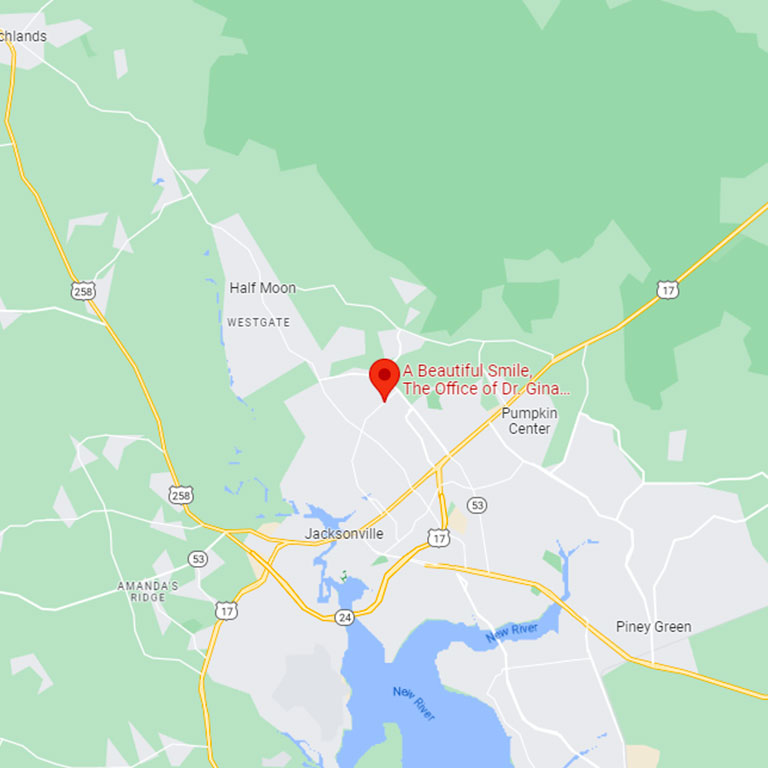
 Find Us on Google Maps
 Find Us on Apple Maps