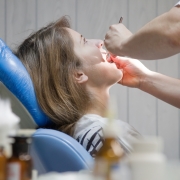

Patient holding cheek in pain during dental consultation with dentist in Jacksonville, NC office.

How to Tell If a Toothache Is Serious | Jacksonville NC

Most people experience a toothache at some point, but knowing how to tell if a toothache is serious isn’t always easy. If you’re searching for an Emergency Dentist in Jacksonville, understanding the warning signs can help you decide when it’s time to seek professional care. While mild sensitivity may resolve on its own, persistent pain, swelling, or difficulty chewing often signals an underlying dental problem that shouldn’t be ignored.

Tooth pain is your body’s way of telling you something isn’t right. Identifying the cause early can help relieve discomfort, prevent complications, and improve the chances of saving your natural tooth.

Quick Answer: How Do You Know If a Toothache Is Serious?

A toothache may require prompt dental care if it lasts longer than two days, becomes increasingly painful, causes swelling, produces a bad taste in your mouth, or is accompanied by fever. These symptoms often indicate an underlying issue that needs professional evaluation rather than home treatment alone.

Why Do Toothaches Happen?

A toothache isn’t a condition itself—it’s a symptom that something is affecting your teeth or gums.

Common causes include:

  • Tooth decay
  • Cracked or chipped teeth
  • Worn fillings or crowns
  • Gum disease
  • Dental abscesses
  • Teeth grinding
  • Impacted wisdom teeth
  • Dental injuries

Although these conditions may produce similar symptoms, each requires a different treatment approach. A dental examination is the best way to determine the exact cause.

How to Tell If a Toothache Is Serious: Warning Signs

Pain That Doesn’t Improve

Pain lasting longer than 48 hours or becoming more severe often means the problem is progressing. Pain medication may reduce discomfort temporarily, but it won’t eliminate infection or repair a damaged tooth.

Swelling Around the Tooth or Face

Swelling is one of the clearest signs that your body is responding to inflammation or infection. If swelling spreads into your cheek or jaw, don’t delay seeking care.

Pain When Chewing

Sharp pain while biting down can indicate a cracked tooth, an infected nerve, or a damaged filling. Continuing to chew on the affected side may worsen the damage.

Lingering Hot or Cold Sensitivity

Brief sensitivity is common. However, pain that continues after you’ve finished eating or drinking may suggest irritation or infection inside the tooth.

How to tell if a toothache is serious – woman experiencing severe tooth pain at home

Bad Taste or Drainage

A persistent bad taste or drainage near the painful tooth may indicate a dental abscess. Even if the pressure decreases afterward, professional treatment is still necessary.

Can You Wait to See If the Pain Goes Away?

Some toothaches seem to improve on their own, but that doesn’t always mean the underlying problem has resolved.

For example, pain may decrease if the nerve inside the tooth dies, even though an infection continues to spread beneath the surface.

Ignoring persistent symptoms may increase the likelihood of needing more extensive treatment later.

If discomfort lasts more than a day or two, scheduling a dental evaluation is the safest option.

Can You Manage a Toothache at Home?

Home care can provide temporary relief, but it shouldn’t replace professional treatment if symptoms continue.

While waiting for your appointment, you can:

  • Rinse with warm salt water.
  • Floss gently around the affected tooth.
  • Apply a cold compress if swelling is present.
  • Take over-the-counter pain medication as directed.
  • Eat softer foods and avoid chewing on the painful side.

Applying a cold compress to relieve severe tooth pain before visiting a dentist

The American Dental Association (ADA) recommends maintaining good oral hygiene and seeking professional dental care if tooth pain persists or is accompanied by swelling or other concerning symptoms.

Avoid placing aspirin directly on your gums or attempting to drain a swollen area yourself.

If symptoms worsen, seeking urgent dental care can help prevent additional complications.

What Happens If You Delay Treatment?

It’s common to hope that a toothache will disappear on its own, especially if the pain becomes less noticeable after a day or two. Unfortunately, many dental problems continue to worsen beneath the surface, even when symptoms temporarily improve.

Delaying treatment can lead to:

  • More extensive tooth decay
  • Infection spreading to surrounding tissues
  • Damage to the tooth’s nerve
  • Cracked or weakened teeth
  • Tooth loss that may have been preventable

Addressing dental problems early often results in simpler treatment, lower costs, and better long-term outcomes.

How Dentists Diagnose Tooth Pain

Tooth pain can have several causes, so an accurate diagnosis is the first step toward effective treatment.

During your appointment, your dentist may:

  • Discuss your symptoms and medical history
  • Examine the affected tooth and surrounding gums
  • Check for cracks, loose restorations, or signs of infection
  • Take digital X-rays if necessary
  • Explain the diagnosis and recommended treatment options

The goal isn’t just to relieve pain—it’s to treat the underlying cause and help prevent future problems.

How to Reduce Your Risk of Future Toothaches

Although not every dental problem can be prevented, healthy habits can significantly reduce your risk.

Brush and Floss Daily

Good oral hygiene removes plaque and bacteria that contribute to tooth decay and gum disease.

Visit Your Dentist Regularly

Routine dental exams allow small concerns to be treated before they become painful emergencies. Choosing a trusted local dental office for preventive care is one of the best ways to maintain a healthy smile.

Wear a Mouthguard

If you participate in contact sports or grind your teeth while sleeping, a properly fitted mouthguard can help protect your teeth from unnecessary damage.

Don’t Ignore Small Changes

Sensitivity, discomfort while chewing, or occasional pain shouldn’t be dismissed. Early evaluation often leads to simpler and more conservative treatment.

When Should You Schedule a Dental Appointment?

Even if your symptoms aren’t severe, it’s wise to contact your dentist if:

  • Tooth pain lasts longer than two days
  • You notice swelling around the gums or face
  • Biting or chewing becomes painful
  • Hot or cold sensitivity lingers
  • A damaged filling or chipped tooth causes discomfort

Seeking care sooner rather than later can help prevent more extensive dental procedures.

Protect Your Smile with Prompt Dental Care

A toothache is your body’s way of telling you something deserves attention. While some cases involve temporary sensitivity, persistent pain, swelling, or changes in how your teeth feel should never be ignored.

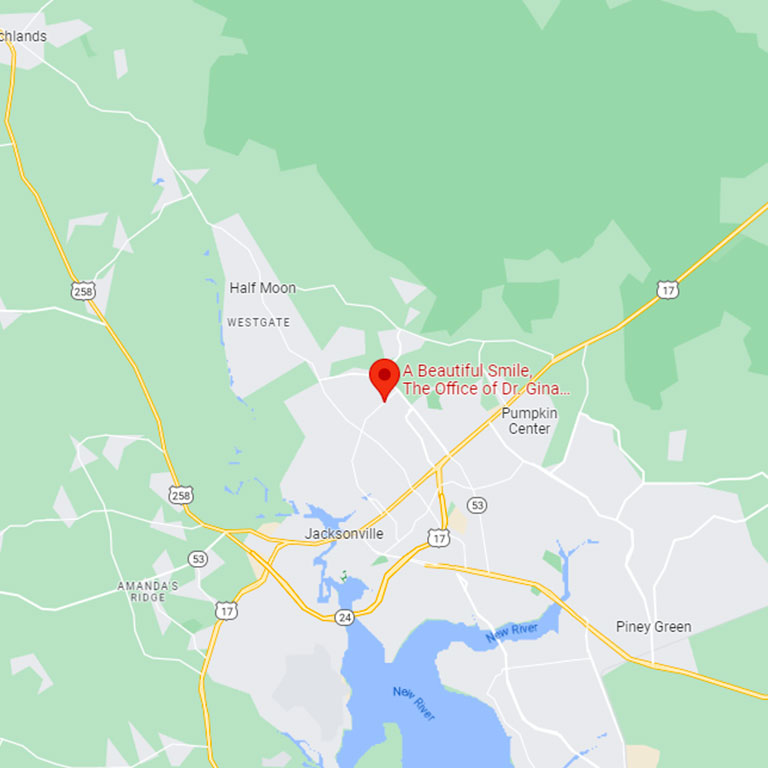
At A Beautiful Smile, The Office of Dr. Gina Mancini, we’re committed to helping patients throughout Jacksonville, NC, receive compassionate, high-quality dental care in a comfortable environment. Whether you’re dealing with unexpected tooth pain or simply want peace of mind, our team is here to help you find the cause and recommend the right treatment.

Address:
3685 Henderson Dr, Jacksonville, NC 28546

Phone:
(910) 347-9100

If you’re experiencing ongoing discomfort, don’t wait for it to become worse. Schedule an appointment with our team or learn more about our emergency dental services.

Frequently Asked Questions

Can a toothache go away without treatment?

Sometimes discomfort may temporarily improve, but that doesn’t always mean the underlying problem has healed. Tooth decay, infections, and cracked teeth typically require professional evaluation and treatment.

Why does my tooth hurt more at night?

Tooth pain often feels worse when lying down because increased blood flow to the head places additional pressure on inflamed tissues. Fewer distractions at night can also make discomfort more noticeable.

Can a cracked tooth heal naturally?

No. Tooth enamel cannot repair itself. Even a small crack can become larger over time, making early evaluation important.

Is swelling around a tooth always a sign of infection?

Not always, but swelling may indicate inflammation, gum disease, or a dental abscess. Because the cause isn’t always obvious, it’s best to have swelling examined by a dental professional.

Can regular dental checkups help prevent severe toothaches?

Yes. Routine dental visits allow your dentist to detect cavities, damaged fillings, gum disease, and other concerns before they become painful or require more extensive treatment.


Woman with toothache holding her cheek in pain at her desk, experiencing dental discomfort.

Severe Toothache? What to Do Before You Reach an Emergency Dentist in Jacksonville

A severe toothache has a way of disrupting everything. It can make it difficult to eat, sleep, focus at work, or enjoy time with family. While some tooth discomfort may come and go, intense dental pain often signals an underlying problem that requires prompt attention.

Many people search online for answers when a toothache suddenly worsens, especially after hours or on weekends. Understanding what may be causing the pain and knowing how to respond can help protect your oral health until you can receive professional care.

If you are experiencing significant dental pain, a trusted dentist in Jacksonville can evaluate the source of the problem and recommend the appropriate treatment before complications develop.

Why Does a Severe Toothache Happen?

A toothache is not a condition itself. It is a symptom that something is affecting the tooth, gums, or surrounding tissues.

Some of the most common causes include:

  • Deep tooth decay
  • Dental abscesses
  • Cracked or fractured teeth
  • Advanced gum disease
  • Exposed tooth roots
  • Damaged fillings or crowns
  • Impacted wisdom teeth
  • Dental trauma from sports or accidents

Pain can range from a dull ache to sharp, throbbing discomfort. In some cases, it may spread to the jaw, ear, neck, or surrounding facial areas.

Because different dental conditions can produce similar symptoms, professional evaluation is essential to identify the exact cause.

Understanding When a Toothache Becomes a Dental Emergency

Not every toothache requires the same-day treatment, but some symptoms should never be ignored. Seek immediate dental care if you experience:

Severe, Persistent Pain

Pain that lasts for several hours or continues worsening often indicates an infection or nerve involvement.

Facial Swelling

Swelling around the jaw, gums, cheeks, or face may signal a dental abscess. Dental infections can spread quickly and become serious if left untreated.

Fever Alongside Dental Pain

A fever combined with a toothache can indicate an active infection requiring urgent treatment.

Difficulty Swallowing or Breathing

This is a medical emergency that demands urgent attention. Significant swelling can affect the airway and should never be ignored.

Pus or Bad-Tasting Drainage

These are common signs of an abscessed tooth and often indicate an infection beneath the gums.

When these symptoms occur, contacting an emergency dentist in Jacksonville as soon as possible can help prevent more extensive treatment later.

What Should You Do Immediately After a Severe Toothache Starts?

While waiting to see a dental professional, there are several steps you can take to manage discomfort safely.

Rinse With Warm Salt Water

A mild saltwater rinse can help decrease bacteria and calm irritated tissues.

Mix:

  • ½ teaspoon of salt
  • 8 ounces of warm water

Swish gently and spit out the solution.

Floss Carefully

Food particles trapped between teeth can sometimes trigger pain or increase pressure around an inflamed area.

Use floss gently without forcing it between sensitive teeth.

Apply a Cold Compress

If swelling is present, place a cold compress against the outside of the cheek for 15 to 20 minutes at a time.

This may help reduce inflammation and provide temporary relief.

A person gently applies a cold compress to the side of their face to reduce swelling and relieve tooth pain while waiting to see an emergency dentist in Jacksonville, NC.

Use Over-the-Counter Pain Relief

Non-prescription pain medications may help reduce discomfort when used according to package directions.

Always follow the manufacturer’s instructions and consult your physician if you have medical conditions or take other medications.

What Should You Avoid During a Dental Emergency?

Certain actions can make the situation worse.

Avoid:

  • Applying aspirin directly to the gums
  • Poking the affected tooth with sharp objects.
  • Ignoring swelling or fever
  • Consuming extremely hot or cold foods
  • Biting on the area of the mouth that is painful
  • Delaying treatment when symptoms continue worsening

Many serious dental infections begin with symptoms that seem manageable at first. Early intervention by a proficient emergency dentist in Jacksonville typically leads to more straightforward, predictable treatment paths.

Could a Toothache Mean You Need a Root Canal?

One of the most common concerns patients have during a dental emergency is whether they may need root canal treatment.

A root canal may be recommended when the pulp inside the tooth becomes infected or inflamed.

Possible signs include:

  • Severe lingering pain
  • Sensitivity that lasts after eating or drinking
  • Swollen gums near the tooth
  • Darkening of the tooth
  • Pain when biting down
  • A recurring pimple-like bump on the gums

Modern root canal therapy is designed to remove infection while preserving the natural tooth whenever possible.

An examination and dental imaging can determine whether root canal treatment is necessary.

Can a Toothache Go Away on Its Own?

Sometimes pain may temporarily decrease, but that does not necessarily mean the problem has resolved.

In fact, a sudden decrease in pain can sometimes mean that the nerve within the tooth has died. While the discomfort may lessen, infection can continue spreading beneath the surface.

Common dental problems rarely heal without professional treatment.

Waiting too long may increase the likelihood of needing more extensive procedures, including extractions or more complex restorative care.

How Jacksonville Residents Can Reduce Their Risk of Dental Emergencies

Although some emergencies occur unexpectedly, many can be prevented through routine dental visits to a reliable dentist in Jacksonville and healthy habits.

Consider the following preventive measures:

Maintain Regular Dental Visits

Routine examinations help identify cavities, cracked teeth, and gum disease before they become painful emergencies.

Wear a Mouthguard for Sports

Athletes participating in contact sports should use a properly fitted mouthguard to help protect teeth from injury.

Address Small Problems Early

Minor cavities and damaged fillings are often easier and less costly to treat before they become emergencies.

Practice Good Oral Hygiene

Daily brushing and flossing help reduce the risk of decay and infection.

Avoid Using Teeth as Tools

Opening packages or biting hard objects can lead to fractures and dental trauma.

For families throughout Jacksonville and nearby communities such as Richlands, Half Moon, Piney Green, and Hubert, preventive dental care remains one of the best ways to avoid unexpected dental pain.

What Happens During an Emergency Dental Visit?

Many patients feel anxious when they need urgent dental treatment because they are unsure what to expect.

During an emergency appointment, the dental team typically will:

  • Review your symptoms and medical history
  • Examine the affected area
  • Take the necessary dental images
  • Diagnose the underlying cause
  • Discuss treatment options
  • Provide pain relief and appropriate care

The goal is not only to relieve discomfort but also to address the source of the problem to prevent future complications.

Don’t Ignore a Severe Toothache

A severe toothache is your body’s way of signaling that something needs attention. Whether the cause is decay, infection, trauma, or another dental condition, early treatment can help protect your oral health and prevent more serious complications.

At A Beautiful Smile, The Office of Dr. Gina Mancini, patients receive compassionate care when unexpected dental problems arise. If you are experiencing persistent dental pain, swelling, or other urgent symptoms, our trusted dentist in Jacksonville can help determine the cause and provide timely treatment. When immediate attention is needed, contact us to restore comfort and protect your smile. Call +1 (910) 347-9100 to schedule an appointment us.

Frequently Asked Questions

How do I know if my toothache is serious?

If pain is severe, persistent, accompanied by swelling, fever, or difficulty chewing, it should be evaluated by a dental professional as soon as possible.

Can a dental abscess go away without treatment?

No. Dental abscesses typically require professional care. Left untreated, the infection can spread to other areas of the body.

Should I go to the emergency room for a toothache?

Most toothaches are best treated by a dentist. However, difficulty breathing, severe swelling, or signs of a spreading infection may require emergency medical attention.

How quickly should I see a dentist for severe tooth pain?

You should contact a dental office as soon as possible. Early treatment often prevents complications and reduces the need for more extensive procedures.

What is the most common cause of emergency dental visits?

Severe toothaches caused by decay, infection, cracked teeth, and dental trauma are among the most common reasons patients seek emergency dental care.

Can an emergency dentist save a damaged tooth?

In many cases, yes. Prompt treatment can often preserve a natural tooth through procedures such as fillings, crowns, or root canal therapy.

Child experiencing tooth pain while eating a sandwich, illustrating dental emergencies.

What to Do If You Break a Tooth While Eating

Biting into a meal should not suddenly end with sharp pain, bleeding, or part of a tooth breaking off. Unfortunately, cracked or broken teeth can happen unexpectedly, sometimes while eating foods that do not even seem especially hard.

Many people panic when this happens because they are unsure whether the damage is serious or what steps they should take first. In some cases, a small chip may only cause mild sensitivity, while larger breaks can expose nerves, create severe pain, or increase the risk of infection.

Knowing how to respond quickly after breaking a tooth may help protect the damaged area and reduce the chance of further complications before professional treatment.

Step 1: Stay Calm and Check the Damage

The first thing to do is carefully examine the tooth if possible.

A broken tooth may involve:

  • A small chip
  • A cracked tooth
  • A large missing section
  • A loose fragment
  • Bleeding around the gums

Some people feel immediate pain, while others notice sensitivity only when eating or drinking.

If you can safely locate the broken piece of tooth, save it and bring it to the dental appointment if recommended.

Step 2: Rinse Your Mouth Gently

After a tooth breaks, rinse your mouth carefully using warm water.

This helps:

  • Remove debris
  • Clean the area
  • Reduce irritation
  • Wash away blood if present

Saltwater rinses may also help soothe irritated tissue temporarily.

Quick Saltwater Rinse:

Mix:

  • Half a teaspoon of salt
  • One cup of warm water

Swish gently without aggressive pressure.

Step 3: Stop Any Bleeding

Minor bleeding sometimes occurs after a broken tooth, especially if surrounding gums are irritated.

If bleeding continues:

  • Apply gentle pressure using clean gauze
  • Hold for several minutes
  • Avoid excessive rinsing immediately afterward

Persistent bleeding should always be evaluated professionally.

Avoid Chewing on the Damaged Side

A broken tooth becomes more vulnerable to additional damage after the structure weakens.

Until you see a dentist:

  • Avoid chewing on that side
  • Choose soft foods
  • Avoid hard or crunchy foods
  • Stay away from sticky candy
  • Avoid extremely hot or cold drinks if sensitive

Pressure on a cracked tooth may worsen the fracture.

Use a Cold Compress if Swelling Develops

Some patients develop swelling or soreness around the cheek or jaw after dental trauma.

Use a Cold Compress if Swelling Develops

A cold compress may help reduce:

  • Swelling
  • Inflammation
  • Temporary discomfort

Helpful Tips:

  • Apply for 15–20 minutes
  • Wrap ice in cloth
  • Take breaks between applications

Avoid placing ice directly on the tooth itself.

Why Teeth Sometimes Break While Eating

Many people assume a healthy tooth should never crack during a normal meal. However, teeth may weaken over time for several reasons.

Common Causes Include:

  • Untreated cavities
  • Old fillings
  • Teeth grinding
  • Previous dental injuries
  • Chewing hard foods
  • Enamel wear
  • Large restorations weakening the tooth

Sometimes even softer foods can trigger a fracture if the tooth is already compromised internally.

Symptoms You Should Never Ignore

Not every broken tooth causes severe pain immediately. However, certain symptoms suggest deeper damage involving the nerve or root.

Seek prompt dental care if you notice:

  • Sharp pain
  • Swelling
  • Sensitivity to temperature
  • Bleeding
  • Difficulty chewing
  • A loose tooth fragment
  • Pain that worsens over time

A cracked or broken tooth may allow bacteria to enter the inner tooth structure if untreated.

What Happens If You Wait Too Long?

Some patients delay treatment because the pain feels manageable at first. Unfortunately, untreated fractures can become more serious over time.

Potential complications may include:

  • Infection
  • Nerve damage
  • Larger fractures
  • Gum irritation
  • Tooth loss

Even small cracks may gradually spread with daily chewing pressure.

Early treatment often improves the chance of saving the tooth.

Common Treatments for a Broken Tooth

Treatment depends on how severe the break is and whether the inner tooth structures are affected.

Possible treatment options may include:

  • Dental bonding
  • Fillings
  • Dental crowns
  • Root canal therapy
  • Veneers
  • Tooth extraction in severe cases

Minor chips may require simple cosmetic repair, while larger fractures may involve more advanced restorative treatment.

Is a Broken Tooth a Dental Emergency?

Some broken teeth require immediate emergency treatment, especially if:

  • Severe pain develops
  • The nerve is exposed
  • Swelling occurs
  • Bleeding continues
  • The tooth becomes loose

Throughout Jacksonville and nearby North Carolina communities, many patients seek urgent care after sudden dental injuries during meals, sports, or accidents.

Patients searching for an emergency dentist in jacksonville are often looking for fast treatment to relieve discomfort, stabilize the damaged tooth, and prevent additional complications.

Prompt evaluation helps determine whether the tooth can be repaired or if further treatment is necessary.

Tips to Help Prevent Broken Teeth

While accidents cannot always be avoided, certain habits may help reduce the risk of dental fractures.

Helpful Prevention Tips:

  • Avoid chewing ice
  • Do not use teeth to open packaging
  • Wear mouthguards during sports
  • Treat teeth grinding early
  • Schedule routine dental checkups
  • Address cavities promptly

Healthy enamel and early dental care often help strengthen teeth against fractures.

Don’t Ignore a Broken Tooth

Even if discomfort seems minor initially, a broken tooth should always be professionally evaluated. Small cracks and chips may worsen over time without treatment, especially when exposed to daily chewing pressure.

If you break a tooth while eating or experience sudden dental pain, contact A Beautiful Smile, The Office of Dr. Gina Mancini to schedule prompt dental care and protect your oral health.

FAQs

1. What should I do immediately after breaking a tooth?

Rinse your mouth gently, save any broken pieces if possible, and avoid chewing on the damaged side.

2. Can a broken tooth heal on its own?

No. Broken teeth usually require dental treatment to prevent worsening damage or infection.

3. Is a chipped tooth always an emergency?

Small chips may not require urgent care, but larger fractures, pain, or swelling should be evaluated quickly.

4. Why would a tooth suddenly break while eating?

Teeth may weaken because of cavities, grinding, old fillings, or previous damage.

5. Can a dentist repair a broken tooth?

Yes. Many broken teeth can be restored using bonding, crowns, fillings, or other dental treatments depending on the damage.


Woman experiencing tooth pain, holding her cheek in discomfort.

Guide to Dental Emergency Care (Including Holidays & Weekends)

Dental emergencies rarely happen at convenient times. They tend to show up during holiday dinners, long weekends, family vacations, or right before an important event. When your schedule is already full, the last thing you want is sudden tooth pain interrupting everything.

That is especially true in Jacksonville, North Carolina, where busy beach weekends, community festivals, and holiday gatherings keep families constantly on the move. Understanding what qualifies as a dental emergency — and knowing where to turn — can protect both your health and your plans.

Why Dental Emergencies Increase on Holidays & Weekends

Search patterns consistently show spikes in dental emergency calls during:

  • Thanksgiving and Christmas weekends
  • Fourth of July celebrations
  • Spring break
  • Graduation season
  • Long holiday weekends

There are clear reasons for this increase. Holiday meals often include sticky desserts, hard candies, and crunchy foods that can crack teeth or loosen crowns. Travel disrupts normal brushing routines. Busy schedules cause people to ignore mild discomfort until it becomes severe.

Add sports activities, outdoor events, and late-night celebrations, and the risk rises even more.

When pain suddenly appears, many people begin searching online for an emergency dentist in jacksonville because waiting until Monday is simply not an option.

What Qualifies as a True Dental Emergency?

Not every dental concern requires immediate treatment, but certain symptoms should never be ignored.

You should seek urgent care if you experience:

  • Severe or persistent tooth pain
  • Facial or gum swelling
  • A knocked-out tooth
  • A cracked or broken tooth
  • A lost crown or filling causing discomfort
  • Bleeding that does not stop

Pain is your body’s warning system. Swelling may signal infection. Ignoring these signs can allow the issue to worsen quickly.

What To Do Before You Reach the Office

If a dental emergency happens during a busy weekend, staying calm is the first step.

For a knocked-out tooth, handle it by the crown, not the root. Gently rinse it without scrubbing. If possible, place it back in the socket. If that feels uncomfortable, store it in milk and seek immediate care.

For swelling, rinse with warm saltwater and apply a cold compress to the outside of your cheek in short intervals. This can help reduce inflammation while you arrange treatment.

For a broken tooth, avoid chewing on that side and keep the area clean. Even if pain seems manageable, prompt evaluation is important.

Temporary measures can help you stay comfortable, but they do not replace professional care.

Emergency Services During Busy Event Weekends

Event-filled weekends can make dental pain feel even more stressful. Whether it’s a family celebration, a tournament, or a packed holiday schedule, interruptions are frustrating.

Emergency dental services may include:

  • Immediate toothache relief
  • Infection management
  • Emergency root canal therapy
  • Repair of broken crowns or fillings
  • Treatment for dental trauma
  • Evaluation of abscesses

Fast diagnostics and same-day treatment prevent small problems from escalating into serious complications. Access to care outside traditional weekday hours provides peace of mind during high-traffic times of year.

When discomfort strikes unexpectedly, knowing you can reach an emergency dentist allows you to focus on recovery rather than uncertainty.

Why Acting Quickly Matters

Delaying treatment can lead to:

  • Increased swelling
  • Spreading infection
  • Bone damage
  • Tooth loss
  • More complex procedures

Dental infections do not resolve on their own. What begins as a dull ache can develop into intense pain within hours. Early intervention often means simpler treatment, faster healing, and lower overall stress.

Prompt care protects both your oral health and your overall wellbeing.

Reducing Your Risk Before the Next Holiday

While not all emergencies are preventable, you can lower your risk by maintaining routine dental care throughout the year.

Consider these preventive steps:

  • Schedule cleanings before major holidays
  • Avoid chewing hard objects like ice
  • Wear a mouthguard during sports
  • Address small cracks or sensitivity early
  • Maintain consistent brushing and flossing habits

Preparation makes a difference, especially before busy weekends when access to care may feel more urgent.

Compassionate Care When You Need It Most

Dental emergencies are not just physical — they are emotional. Sudden pain can create anxiety, especially during important family moments or celebrations.

Modern emergency dentistry focuses on more than quick fixes. It prioritizes clear communication, gentle treatment, and immediate relief in a supportive environment. Feeling heard and reassured often makes the biggest difference during stressful situations.

Busy weekends should be spent enjoying time with loved ones, not managing preventable pain.

Don’t Let Dental Pain Ruin Your Holiday Plans

If you experience sudden tooth pain, swelling, or trauma during a weekend or holiday, do not wait.

Contact A Beautiful Smile, The Office of Dr. Gina Mancini for prompt emergency evaluation and compassionate care. Our team is dedicated to providing fast relief and high-quality treatment when you need it most — so you can return to your plans with comfort and confidence.

FAQs:

What is a dental emergency?

It includes severe pain, facial swelling, a knocked-out or broken tooth, and uncontrolled bleeding.

What if a tooth is knocked out?

Hold it by the crown, rinse gently, and try to reinsert it or store it in milk until you see a dentist.

How do I manage swelling?

Rinse with warm saltwater and apply a cold compress to your cheek to reduce inflammation.

Why do emergencies spike on holidays?

Sticky or hard festive foods, travel, and sports often lead to cracked teeth or sudden infections.

Dentist examining child patient's throat during dental visit in Jacksonville, NC.

When Should You Seek Emergency Dental Care for a Toothache?

When your tooth is hurting, knowing where to go for help matters. Some toothaches may not require immediate care, but others do. Our dentists in Jacksonville, NC, at A Beautiful Smile, The Office of Dr. Gina Mancini offer emergency services for patients who have tooth problems that can’t wait, including severe toothaches. Here’s when you should seek help as soon as possible for tooth pain.

You Have a Severe Toothache

Is tooth pain so bad that you’re in tears or can’t focus on anything? This intense discomfort may be due to a throbbing or sharp pain that indicates you might have an infection and need immediate care.

You Have a Toothache That Isn’t Getting Better

Has your tooth been hurting for a couple of days or more? If it’s not going away, especially if it’s getting worse or won’t ease up with pain relievers, it’s time for emergency dental care in Jacksonville, NC.

You Have a Toothache and Other Symptoms

Are you running a fever or experiencing any other symptoms, such as a foul taste in your mouth or swelling? You might have a tooth abscess or infection that needs prompt treatment to reduce the risk of complications.

You Have Visible and Severe Signs of Damage With a Toothache

Is your tooth hurting due to an injury? If your tooth has noticeable signs of trauma, like a large crack or fracture, you’ll need to have it evaluated and treated as soon as possible to prevent infections and additional damage.

Visit Our Office for Dental Emergencies!

Do you have a toothache that won’t stop? At A Beautiful Smile, The Office of Dr. Gina Mancini, our team offers emergency dental care in Jacksonville, NC, to provide you with timely treatment for toothaches and other urgent dental issues.

Woman in red dress touching her cheek, appearing to experience tooth pain or dental discomfort.

I Think I’m Having a Dental Emergency. What Should I Do?

If you’re having a dental emergency, it’s important to take action quickly. Your dentist in Jacksonville, NC, can help. Knowing what to do and where to turn can save your dental health and may even save your tooth. Here’s what you need to know.

How Can I Tell If It’s a Dental Emergency?

Dental emergencies are situations that need urgent care from your dentist. Most of the time, these situations are easy to spot. Knowing which signs to look for, you can determine when to contact the dentist. If you’re not sure whether you’re having a dental emergency, don’t wait. Call the dentist and let your dentist decide whether you’re having an emergency.

What Signs Should I Look For?

Severe pain is one of the clearest indications that you’re having a dental emergency. If your tooth is painful, talk to your dentist to determine the next steps. Here is a list of problems to watch for:

  • Severe pain in or around your tooth
  • Your tooth is broken or knocked out
  • Swelling around your tooth

If I Have a Dental Emergency, What Should I Do?

If you have a dental emergency, it’s important to get help from the dentist as soon as possible. Don’t wait to seek treatment during a dental emergency in Jacksonville, NC. Waiting to get treatment can lead to problems including loss of a permanent tooth. If you have an infection in your tooth, it could spread to other parts of your body. Call today to get help.