
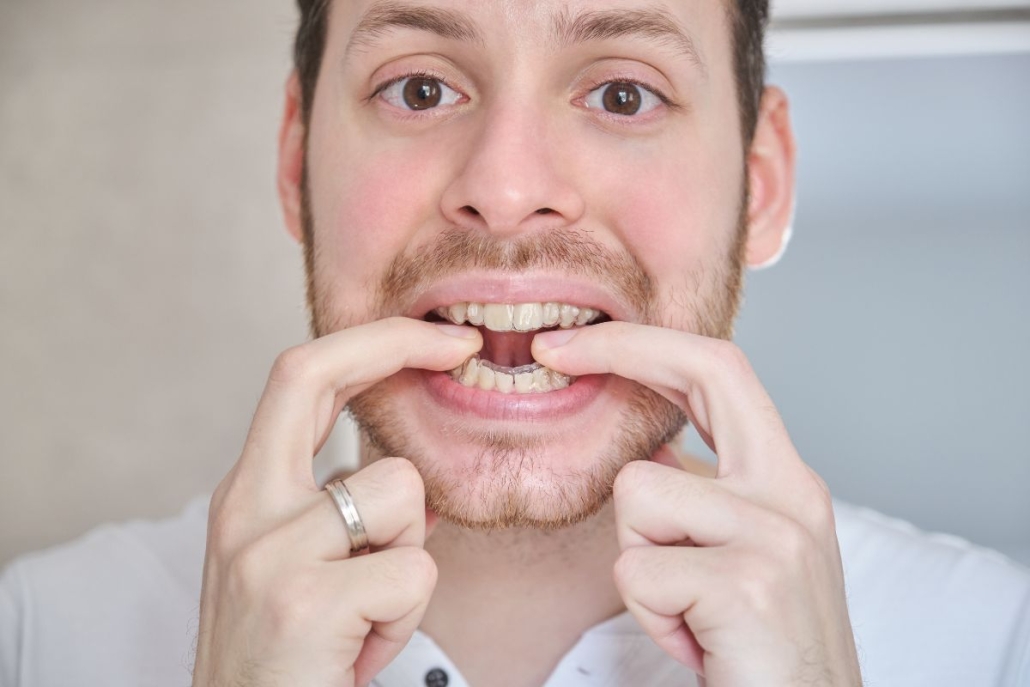
Can You Wear Invisalign If You Have Dental Crowns or Missing Teeth?
Dental crowns or missing teeth don’t automatically mean you cannot straighten your smile. Many adults have previous restorative work and still qualify for orthodontic treatment. However, the condition of your remaining teeth, the location of missing teeth, and your bite alignment all influence the treatment approach.
At A Beautiful Smile, The Office of Dr. Gina Mancini, Dr. Gina Mancini understands that every smile has different restorative and alignment needs.
Patients considering invisalign in Jacksonville often wonder whether previous dental procedures will affect their eligibility. The reassuring answer is that clear aligners can work with many existing dental restorations, as long as the treatment plan accounts for their condition and limitations.
The American Association of Orthodontists confirms that crowned teeth can move during orthodontic treatment. However, you need a careful evaluation before starting.
Can You Wear Clear Aligners With Dental Crowns?
Yes, having one or more dental crowns does not automatically disqualify you from clear aligner treatment. A crown covers a damaged or weakened natural tooth, but the tooth’s root and supporting structures remain in place.
Orthodontic movement occurs through the supporting bone and periodontal ligament. As a result, a crowned tooth can respond to carefully planned pressure.
However, several factors require consideration-
1. Crown Condition and Stability
Your existing crowns must be stable and free from significant damage. Loose crowns, untreated decay beneath restorations, or damaged supporting teeth may require attention before orthodontic treatment begins.
2. Attachment Placement on Crowns
Some treatment plans use small, tooth-colored attachments to help control tooth movement. These attachments usually bond to natural enamel. Porcelain and ceramic surfaces may require different bonding considerations.
Your dentist must determine whether attachments can be placed safely without compromising the restoration.
3. Crown Material and Fit
Crowns may consist of porcelain, ceramic, zirconia, or metal-based materials. Each material has different bonding properties.
The restoration’s shape and position can also affect how an aligner fits around the tooth. A properly fitting tray is essential for predictable tooth movement.
4. Existing Bite Alignment
Crowns affect the shape and contact points of your teeth. If your bite is uneven, the treatment plan must account for how the upper and lower teeth meet.
The goal is to improve alignment without placing unnecessary pressure on existing restorations.
The FDA also notes that existing crowns and other dental restorations may loosen or become dislodged during clear aligner treatment. Regular monitoring helps identify potential complications.
What If You Have Missing Teeth?
Missing teeth do not automatically prevent you from receiving orthodontic care. In fact, correcting tooth alignment can sometimes be part of a larger plan to restore spaces left by tooth loss.
Your treatment depends on how many teeth are missing, where they are, and the condition of the surrounding teeth.
Closing the Space Left by a Missing Tooth
In some cases, neighboring teeth can move into an existing gap. This may reduce spacing and improve your smile’s overall alignment.
However, closing a gap is not always the right approach. Your bite, jaw structure, and available space must be evaluated first.
Maintaining Space for Dental Implants
Sometimes, keeping the gap open is more appropriate. If you plan to replace a missing tooth with a dental implant, orthodontic treatment may help position neighboring teeth and create enough room for restoration.
Dental implants are anchored into the jawbone. Unlike natural teeth, they cannot move during orthodontic treatment. Therefore, their position must be considered when planning tooth movement.
Planning Around Existing Dental Bridges
A dental bridge connects multiple teeth through a single restoration. Since connected teeth cannot move independently, bridges may limit certain orthodontic movements.
Your treatment provider may need to consider alternative approaches based on the bridge’s location and design.
Who Is a Suitable Candidate?
The right treatment depends on more than whether you have crowns or gaps. Your overall oral health and the type of tooth movement required also matter.
You may be a suitable candidate if you:
- Have stable dental crowns without active decay or infection.
- Have healthy gums and sufficient supporting bone.
- Have minor to moderate crowding or spacing concerns.
- Have missing teeth with a clear restorative treatment plan.
- Can commit to wearing removable aligners as instructed.
- Have a bite that can be corrected with clear aligner therapy.
Before treatment, your dentist will examine your teeth, gums, existing restorations, and bite. Digital scans and dental X-rays may help assess tooth positions and supporting structures.
Some patients may need fillings, gum treatment, crown repairs, or other restorative procedures before starting. Complex alignment problems may also require traditional braces or a combination of treatments.
How Does Treatment Work With Existing Restorations?
A treatment plan involving crowns or missing teeth requires careful coordination between orthodontic and restorative care.
At each stage, the provider must consider which teeth need to move, which spaces need to remain, and how existing restorations will respond.
The process generally includes:
- Initial consultation: Discuss your smile concerns, previous dental procedures, and expectations.
- Comprehensive examination: Evaluate your teeth, gums, crowns, missing spaces, and bite alignment.
- Digital treatment planning: Use appropriate scans and imaging to assess tooth positions and plan movements.
- Custom aligner fabrication: Create a series of clear trays based on the approved treatment plan.
- Progress monitoring: Attend follow-up visits to check tooth movement, restoration stability, and overall oral health.
- Retention planning: Wear retainers as recommended to maintain your new tooth positions.
If you have an implant or bridge, its position must remain part of the treatment plan. The timing of replacement restorations may also need to be coordinated with orthodontic care.
The FDA recommends professional supervision throughout treatment because improper tooth movement can affect your bite and oral health.
Start Your Smile Journey in Jacksonville
Dental crowns or missing teeth shouldn’t stop you from exploring ways to improve your smile. With proper evaluation, many patients can pursue orthodontic treatment while protecting their existing dental work.
At A Beautiful Smile, The Office of Dr. Gina Mancini, patients can explore clear aligner options alongside restorative services, including same-day CEREC crowns and dental implant restorations.
If you are considering Invisalign and want to understand how your existing dental work may affect treatment, a consultation can help clarify your options.
Our Jacksonville dentist can help you understand your alignment concerns and determine whether clear aligner treatment fits your oral health needs.
Book an appointment at 3685 Henderson Drive, Jacksonville, NC 28546. Call 910-347-9100 to discuss your smile goals and take the next step toward a healthier, straighter smile. Patients from Jacksonville, Richlands, Hubert, and nearby communities are welcome.
Frequently Asked Questions
- Can clear aligners move teeth that have crowns?
Yes. Teeth with crowns can move because their natural roots and supporting structures remain in place. However, crown stability, material, and attachment placement must be considered before treatment begins.
- Can I straighten my teeth if I have missing molars?
Yes, depending on the location of the missing molars and your bite. Treatment may close the gaps or maintain space for future replacement. A clinical evaluation helps determine the appropriate approach.
- Will orthodontic treatment damage my existing crowns?
Not necessarily. However, restorations may loosen or become dislodged during tooth movement. Regular monitoring and careful treatment planning help reduce potential complications.
- Should I get dental implants before or after clear aligner treatment?
The timing depends on your alignment goals and restorative needs. In many cases, orthodontic treatment comes first because implants cannot move once placed in the jawbone.
- Can I wear clear aligners if I have dental bridges?
Possibly, but bridges connect multiple teeth and can restrict independent tooth movement. Your provider must assess the bridge’s position and determine whether an alternative treatment approach is necessary.
- Do I need to replace my crowns before starting orthodontic treatment?
Not always. Stable crowns may remain in place throughout treatment. However, damaged, loose, or poorly fitting restorations may need attention before tooth movement begins.
 Find Us on Google Maps
 Find Us on Apple Maps