Dentist holding a clear Invisalign aligner during a patient consultation.

What to Expect During Your Invisalign Consultation

A consultation helps Jacksonville patients identify the cause of an alignment or bite concern, assess their oral health, discuss priorities, and understand the daily treatment plan before making a decision.

At A Beautiful Smile, The Office of Dr. Gina Mancini, the dental team uses the consultation to connect your treatment goals with clinical findings. During an Invisalign evaluation in Jacksonville, patients can expect a personalized discussion based on their dental examination, treatment goals, and clinical findings rather than an assessment based solely on photographs or an online quiz. 

What Happens During an Invisalign Consultation? 

An Invisalign consultation includes a discussion, an examination, and diagnostic records. If trays are appropriate, the dentist explains proposed movements, responsibilities, timing, and next steps.

Your Goals and Dental History

The dental team will ask what you want to change and why it matters to you. Mention concerns about appearance, cleaning, chewing, speech, previous orthodontic relapse, or a particular tooth. Also share:

  •             Past orthodontic care and retainer use
  •             Current medications and relevant health conditions
  •             Previous dental procedures or jaw concerns
  •             Grinding, clenching, or oral habits
  •             Upcoming travel, events, or dental work

Complete information supports safer planning.

Examination of Teeth, Gums, and Bite

The dentist may check gums, cavities, restorations, missing teeth, wear, jaw movement, and the bite. Active disease may need to be managed before tooth movement begins.

Not every concern has the same cause. What Dental Problems Can Clear Aligners Correct? explains why a tooth-related bite issue may be managed differently from a jaw-related discrepancy.

Invisalign Records: Digital Scans, Photographs, and X-Rays

The practice page describes a digital scan used to create the plan. It captures tooth shape and position, often without the need for putty impressions. Photographs document the smile and bite. X-rays may examine roots, bone, and hidden conditions.

These records support diagnosis. A digital simulation is a planning aid, not a guaranteed outcome.

Reviewing the Proposed Plan

If Invisalign is clinically appropriate, the dentist may discuss:

  •             Which teeth need to move and in what sequence
  •             Whether tooth-colored attachments may be used
  •             The expected daily wear and tray-change schedule
  •             How often progress visits may occur
  •             Whether preliminary dental care is needed
  •             The possibility of refinement trays
  •             Retainers after active treatment

For questions about health and daily habits, review “Am I a Candidate for Invisalign?”

Timeline, Fees, and Practical Details

Timing reflects movement and complexity. It may change with inconsistent wear, missed visits, unexpected tracking, or added trays. How Long Does Invisalign Treatment Take? explains these factors.

Ask what the fee includes, including visits, replacement policies, refinements, and retainers. Verify insurance benefits rather than assuming coverage.

Questions to Bring With You

Patients can visit our dental office with a prepared list, including:

  •             What is my diagnosis, and what caused it?
  •             What changes can trays reasonably achieve?
  •             Are braces or another approach worth considering?
  •             Do I need dental care before beginning?
  •             How many hours should I wear each set?
  •             What should I do if a tray stops fitting?
  •             How will progress and gum health be monitored?
  •             What retention plan follows the final tray?

The comparison in “Clear Aligners vs. Traditional Braces” may help you frame questions about choosing an appliance.

What Happens After You Decide to Proceed?

After approval, custom Invisalign trays are fabricated. At delivery, the team checks fit, places attachments if prescribed, and reviews wear and care. You then change sets as directed and return for monitoring.

Prepare for a Useful Consultation in Jacksonville

Bring your questions, insurance information, medication list, and any available history of prior orthodontic care. The purpose of the visit is to understand your diagnosis and choices, not to pressure you into a decision. When you are ready for a clinical assessment and clear next steps, book an appointment at our Jacksonville dental office.

Frequently Asked Questions

Does a consultation mean I must start treatment?

No. The visit is designed to assess your needs, explain appropriate options, and answer questions. You can review the proposed plan, responsibilities, timing, and financial details before deciding whether to proceed.

Will the digital scan hurt?

A digital scan is noninvasive and captures images as a small wand moves around the teeth. Some people may need brief pauses due to gag sensitivity or jaw fatigue, which they should mention in advance.

Do I need X-rays at the consultation?

That depends on your current records and clinical needs. X-rays can reveal roots, bone support, impacted teeth, and disease that a surface scan cannot show. The dentist will explain why any image is recommended.

Should cavities be treated before clear aligners?

Untreated decay usually requires attention before trays are fabricated, as restorative work may alter tooth shape and tray fit. The sequence depends on urgency, location, and the overall dental plan.

Can I see a preview of the expected result?

Digital planning may simulate proposed tooth movement. It helps explain the plan but should not be viewed as a guarantee. Actual progress depends on biology, tray wear, and clinical monitoring.

What should I bring to the appointment?

Bring identification, insurance details, a medication list, questions, and any relevant orthodontic records or retainers. Sharing complete health and dental information helps the team evaluate candidacy and discuss realistic next steps.
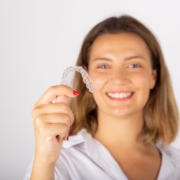
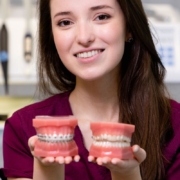
Woman holding a clear Invisalign aligner while demonstrating transparent orthodontic treatment.

How Long Does Invisalign Treatment Take?

For local patients in Jacksonville planning around work, school, or an event, timing matters. There is no universal finish date. Limited corrections may take months, while involved movements can require a year or longer.

At A Beautiful Smile, The Office of Dr. Gina Mancini, Dr. C. Mancini bases time estimates on examination findings and digital planning. An Invisalign consultation in Jacksonville can provide a more useful range after the starting alignment, oral health, and treatment goals have been assessed.

What Is a Typical Timeline?

Invisalign treatment length varies widely. The manufacturer notes that some people may see results in as little as six months, but that is not a promise for every case. Total time depends on how many teeth must move, how difficult those movements are, and how consistently the trays are worn.

Complexity of the Alignment or Bite Problem

Closing a small space or correcting minor relapse usually requires less movement than coordinating both arches or improving a significant bite problem. Rotations, vertical movements, and root control may also take longer than simple tipping.

Number and Sequence of Planned Movements

Each tray is designed to complete a small part of the overall plan. Some teeth may move early, while others are held in place until later stages. This sequencing protects the anchorage and helps keep forces under control.

More trays may simply reflect many small steps. Follow the prescribed change interval instead of accelerating treatment independently.

Daily Wear Time of Transparent Aligners

Invisalign only guides movement when worn fully seated. Long breaks for meals, drinks, or forgotten wear can cause teeth to fall behind their planned positions. The next set may then feel unusually tight or fail to fit.

Patients should follow the prescribed schedule. If Invisalign no longer seats correctly, contact the practice rather than forcing it or skipping ahead.

Biological Response and Oral Health

Teeth move as the surrounding bone remodels. That response differs among patients and cannot be rushed safely. Gum inflammation, decay, broken restorations, or another dental concern may also interrupt active treatment until the mouth is stable.

Patients can visit our dental office for scheduled monitoring so fit, tooth movement, and oral health can be reviewed. These appointments allow the plan to be adjusted when the clinical response differs from the digital projection.

Refinements and Midcourse Changes

Invisalign refinements are additional trays created after a new scan when further movement is needed. They are a normal planning tool, not necessarily evidence that treatment failed. Refinements may address a stubborn rotation, improve bite contacts, or bring the result closer to the agreed goals.

Treatment may also be extended by lost or damaged trays, missed visits, new dental work, or failure to use prescribed attachments or elastics.

What You Can Do to Stay on Schedule

  •             Wear every set for the prescribed daily hours
  •             Change trays on the assigned date
  •             Use seating aids only as instructed
  •             Keep trays clean and stored safely
  •             Attend every progress check
  •             Report a poor-fitting or lost tray promptly
  •             Maintain brushing, flossing, and preventive visits

Before starting, review Am I a Candidate for Clear Aligners? to see how commitment and oral health affect eligibility.

What Happens After the Last Tray?

Finishing active movement does not end orthodontic care. Teeth naturally tend to shift, particularly soon after treatment. Retainers help preserve the new positions while the supporting tissues stabilize. Retainer wear should be considered as part of the overall plan, even though it is not active straightening.

“What to Expect During Your Invisalign Consultation” explains how to discuss estimated treatment timelines, progress monitoring, refinements, and retention options before you begin your Invisalign journey. 

Get a Personalized Timeline Before Your Orthodontic Consultation

An online average cannot account for your bite, dental history, or consistency. An Invisalign evaluation can estimate the number of stages, identify issues that must be handled first, and explain what could change the schedule. To receive an individualized assessment, book an appointment at our Jacksonville dental office.

Frequently Asked Questions

When will I begin noticing a difference?

Some patients notice small changes within weeks, while others see them later because early movement may occur in less visible areas. Visible change is not the same as treatment completion or a stable bite.

Can I change trays sooner to finish faster?

Do not change sets earlier unless directed. Teeth and supporting bone need time to respond to controlled forces. Advancing independently can lead to poor tracking, discomfort, or an unplanned change in movement.

What happens if I lose a tray?

Contact the dental team promptly. You may be instructed to use the previous set, move forward, or obtain a replacement depending on timing and fit. Do not guess, because the wrong step may delay progress.

Why might I need refinement trays?

Teeth do not always follow a digital projection exactly. A new scan can document the current position, and additional trays may improve remaining alignment or bite contacts before active care is considered complete.

Do missed appointments extend treatment?

They can. Monitoring visits verify fit, movement, attachments, and oral health. Delayed reviews may delay the delivery of the next sets or allow a tracking issue to persist longer than necessary.


Woman comparing traditional braces with orthodontic treatment options in Jacksonville, NC

Invisalign vs. Traditional Braces: Which Is Right for You?

Patients in Jacksonville and nearby locations in NC often compare clear trays with metal braces. Both move teeth through controlled pressure. The right choice depends on diagnosis, required movements, habits, and priorities.

At A Beautiful Smile, The Office of Dr. Gina Mancini, Dr. C Mancini considers clinical needs before appliance preferences. When discussing Invisalign in Jacksonville, the goal is to explain what each option requires so patients can make an informed decision without assuming that one method fits every smile.

A Quick Comparison Before You Decide

Invisalign is removable and less noticeable. Braces remain attached and provide continuous force without relying on remembering to wear them daily.

Invisalign Appearance and Visibility

Aligners are made from transparent plastic and fit closely over the teeth. Tooth-colored attachments may be added to facilitate specific movements, making treatment discreet rather than invisible.

Braces are easier to see because brackets and wires remain on the teeth. Some patients enjoy choosing band colors, while others prioritize a lower-profile appearance for work, school, or social events.

Removability, Meals, and Oral Hygiene

Clear trays come out for meals and most drinks. This means there are generally no bracket-related food restrictions. Patients still need to brush or rinse before reinserting trays to prevent food and sugars from being held against the teeth.

With braces, hard or sticky foods can damage hardware. Cleaning requires extra care, but the appliance cannot be lost at lunch.

Comfort and Adjustment

Both options create pressure as teeth move, so temporary tenderness is normal. Smooth tray edges may reduce rubbing against the cheeks, though an edge or attachment can sometimes irritate the mouth. Brackets and wire ends can also cause short-term soreness, especially after adjustments.

Neither approach should cause uncontrolled or persistent pain. Patients should contact the dental team if an appliance breaks, no longer fits, or produces significant discomfort.

Responsibility and Daily Routine

Invisalign works only when worn for the prescribed time. Trays need a clean storage case, regular cleaning, and careful handling. Losing them or leaving them out too long can interrupt planned movement.

Braces remain active throughout the day. They can suit patients who prefer not to manage a removable appliance, but they require attention to food choices, cleaning around hardware, and appointments for wire adjustments.

Patients can visit our dental office to compare these responsibilities with school, work, travel, sports, and home routines. Practical fit is part of clinical fit.

Treatment Time and Appointments

Either method can take months or longer. Duration depends on the starting bite, biological response, treatment goals, missed visits, appliance problems, and cooperation. Clear-tray treatment can also be extended if wear is inconsistent or if additional refinement trays are needed.

The blog “How Long Does Invisalign Treatment Take?” explains why a short online estimate cannot replace an individual plan. Braces also require periodic monitoring and adjustments.

Questions That Help You Decide

Before choosing, ask:

  •             Which option can accomplish the required movements predictably?
  •             How much daily responsibility am I ready to manage?
  •             Are appearance or food flexibility major priorities?
  •             Do I have dental work or gum concerns that affect planning?
  •             What happens if progress differs from the original simulation?
  •             Will I commit to retainers after either option?

A diagnostic consultation should answer these questions and explain reasonable alternatives. Preparing for Your Clear Aligner Consultation can help you arrive ready for that discussion.

Find the Right Orthodontic Treatment for Your Smile 

Invisalign and braces are tools, not competing guarantees. The more appropriate option is the one that can safely produce the needed movements and that you can manage consistently. For a recommendation based on your bite, oral health, and routine, book an appointment at our Jacksonville dental office.

Frequently Asked Questions

Do clear aligners work faster than braces?

Not automatically. Timeline depends on case complexity, treatment goals, biological response, and cooperation. A simpler tray case may finish sooner than a complex braces case, but appliance type alone does not determine duration.

Which option is easier to keep clean?

Removable trays allow normal brushing and flossing, but teeth should be cleaned before reinsertion. Braces require cleaning around brackets and wires. Either option can support oral health when the recommended routine is followed.

Can I play sports with either appliance?

Many patients can. A suitable mouthguard may be recommended for contact sports. Clear trays may need to be removed for certain activities, while braces require a mouthguard designed to fit over brackets.

Are attachments always required with clear trays?

No. Attachments are prescribed when they improve grip or control for certain movements. Their number, shape, and placement depend on the digital plan and cannot be predicted from a photo alone.

Will I need a retainer afterward?

Yes, retention is usually necessary after either method because teeth can shift over time. The dentist will provide a wear schedule based on the finished result and monitor stability during follow-up care.

Patient discussing Invisalign candidacy with a dentist in Jacksonville, NC

Am I a Good Candidate for Invisalign?

Many adults and teens in Jacksonville and nearby areas in NC want straighter teeth without fixed brackets. Clear trays can be practical, but candidacy depends on oral health, required correction, and daily wear.

At A Beautiful Smile, The Office of Dr. Gina Mancini, Dr. C. Mancini reviews the whole mouth rather than judging candidacy based on a selfie. An evaluation for Invisalign in Jacksonville considers tooth position, gum condition, bite function, previous dental work, and personal goals before a recommendation is made.

Who Is Usually a Candidate?

You may qualify if you have healthy teeth and gums, a treatable bite concern, and the commitment to wear Invisalign as prescribed. Age matters less than oral health and safe, achievable movement.

Signs Invisalign May Fit Your Needs

An evaluation may be worthwhile if you have:

  •             Mild to moderate crowding or spacing
  •             Teeth that shifted after previous orthodontic treatment
  •             Selected overbite, underbite, crossbite, or open-bite concerns
  •             A preference for a less noticeable appliance
  •             A schedule that allows consistent tray care
  •             A willingness to attend progress visits and wear retainers

Healthy Teeth and Gums Come First With Invisalign

Orthodontic movement applies controlled pressure to the teeth and their supporting tissues. Active gum disease, untreated cavities, or an oral infection may need attention before treatment begins. Moving teeth in an unhealthy mouth can complicate care and does not address the underlying disease.

Crowns, bridges, implants, or missing teeth do not always rule out treatment, but they can change possible movements. A review helps the dentist plan around restorations.

Your Bite Must Match the Appliance

Invisalign can manage many orthodontic concerns, but some movements are less predictable with removable trays. A clinician considers:

  •             How far each tooth must move
  •             Whether teeth need significant rotation or vertical movement
  •             The relationship between the upper and lower jaws
  •             Available bone and gum support
  •             Whether attachments or other auxiliaries may be needed

If the movement requires constant control with fixed appliances, braces may be considered. Review “Invisalign or Traditional Braces: How to Choose” before assuming one option is universally preferable.

Daily Discipline Is Essential

Removability is convenient, but it transfers more responsibility to the patient. Trays must usually be worn for most of the day and removed for eating, drinking anything other than water, and oral hygiene. Frequent forgetting can allow teeth to lag behind the digital plan.

Ask yourself whether you can:

  •             Keep trays in for the prescribed hours
  •             Store them safely during meals
  •             Clean your teeth before putting them back
  •             Follow the correct change schedule
  •             Bring trays to review appointments

Teens may be candidates when they can manage these habits with appropriate support.

Lifestyle and Treatment Goals Matter

People often choose removable aligners because they can eat without brackets and brush without working around wires. The trays are less noticeable, although attachments may still be visible at close range. Temporary pressure, mild speech changes, and extra saliva can occur while the mouth adapts.

Patients should visit our dental office to discuss job demands, sports, musical instruments, travel, and any condition that could affect regular wear. Honest planning makes it easier to decide whether removability is a benefit or a challenge.

What Happens During the Candidacy Assessment?

The visit generally includes a discussion of concerns, a dental and bite examination, and records, such as digital scans, photographs, and X-rays, when needed. The dentist then explains what can reasonably be changed, whether preliminary dental care is necessary, and what patient cooperation will involve.

“What to Expect During Your Invisalign Consultation” provides a list of questions you can bring. If approved, the number and complexity of planned movements will help shape the estimated schedule.

Find Out Whether Invisalign Fits Your Routine

A suitable candidate has more than crooked teeth. Healthy supporting tissues, an appropriate diagnosis, realistic expectations, and consistent wear all contribute to a successful plan. If you want a personalized answer based on your smile rather than a general quiz, contact us at our Jacksonville dental office.

Frequently Asked Questions

Am I too old for clear aligners?

Adults can often receive orthodontic care at many ages. Healthy teeth, gums, and bone support are more important than a birthday. A dental examination is needed to identify conditions that should be managed first.

Can I qualify if I have crowns or fillings?

Often, yes. Restorations can affect how attachments bond or how certain teeth are moved. The dentist will assess their condition and incorporate them into the plan rather than treating every restored tooth the same way.

Does gum disease permanently rule me out?

Not necessarily. Active disease generally needs to be controlled before orthodontic movement begins. Ongoing periodontal monitoring may also be recommended so the supporting tissues remain healthy throughout care.

Are clear trays suitable for teenagers?

They may be suitable for teens with the right dental needs and enough maturity to follow wear and cleaning instructions. Growth, tooth eruption, and daily cooperation are evaluated before treatment is recommended.

What if I cannot wear trays consistently?

Inconsistent wear can delay movement, affect tray fit, and increase the need for plan adjustments. A fixed appliance may be worth discussing if remembering to use or manage removable trays is likely to be difficult.


Woman smiling while considering clear aligner treatment in Jacksonville, NC

What Dental Problems Can Invisalign Correct?

Crooked teeth can affect more than appearance. Crowding, spaces, and certain bite problems may make cleaning or chewing difficult. For people in Jacksonville, NC, learning what clear aligners can address is a useful first step.

At A Beautiful Smile, The Office of Dr. Gina Mancini, Dr. C Mancini evaluates the teeth, gums, bite, and treatment goals before recommending an orthodontic plan. Patients considering Invisalign in Jacksonville receive an individual assessment because two smiles that look similar may require different types of tooth movement.

Which Problems May Clear Aligners Treat?

Invisalign uses a planned series of removable trays to apply controlled pressure to selected teeth. Depending on the condition and its severity, treatment may address:

  •             Crowded or overlapping teeth
  •             Gaps between teeth
  •             Mild to moderate overbite
  •             Some underbites and crossbites
  •             Open bite in selected cases
  •             Teeth that shifted after earlier orthodontic care
  •             Minor rotations or uneven tooth positions

A clinical examination and diagnostic records are necessary to determine whether these movements are predictable for a particular patient.

Crowded and Overlapping Teeth

Dental crowding occurs when there is not enough room for the teeth to line up normally. Teeth may rotate or overlap, creating areas that are harder to clean.

Invisalign may create space through sequenced movement. The plan may include tooth-colored attachments or conservative reshaping between certain teeth. Crowding, roots, gums, and available bone influence the recommendation.

Gaps and Spacing Between Teeth

Spaces can result from small or missing teeth, size differences, or oral habits. Aligners may bring selected teeth closer together, but the cause must be identified to support stability.

If you are unsure whether spacing or crowding is the greater concern, read “Am I a Candidate for Clear Aligners?“ to learn about the health and lifestyle factors considered before treatment.

Bite Problems That May Respond to Treatment

A bite describes how the upper and lower teeth meet. Invisalign may help selected cases involving:

Overbite

An overbite occurs when the upper front teeth overlap the lower front teeth more than expected. Some cases can be improved by changing tooth positions and coordinating the arches.

Underbite

With an underbite, the lower front teeth sit ahead of the upper front teeth. Tooth-related underbites may respond to aligners, whereas larger jaw-related differences may require a different approach or additional care.

Crossbite

A crossbite means one or more upper teeth bite inside the lower teeth. Whether trays are appropriate depends on which teeth are involved and whether the cause is dental or skeletal.

Open Bite

In an open bite, some upper and lower teeth do not touch when the mouth closes. Selected cases may improve through planned vertical tooth movement and management of contributing habits.

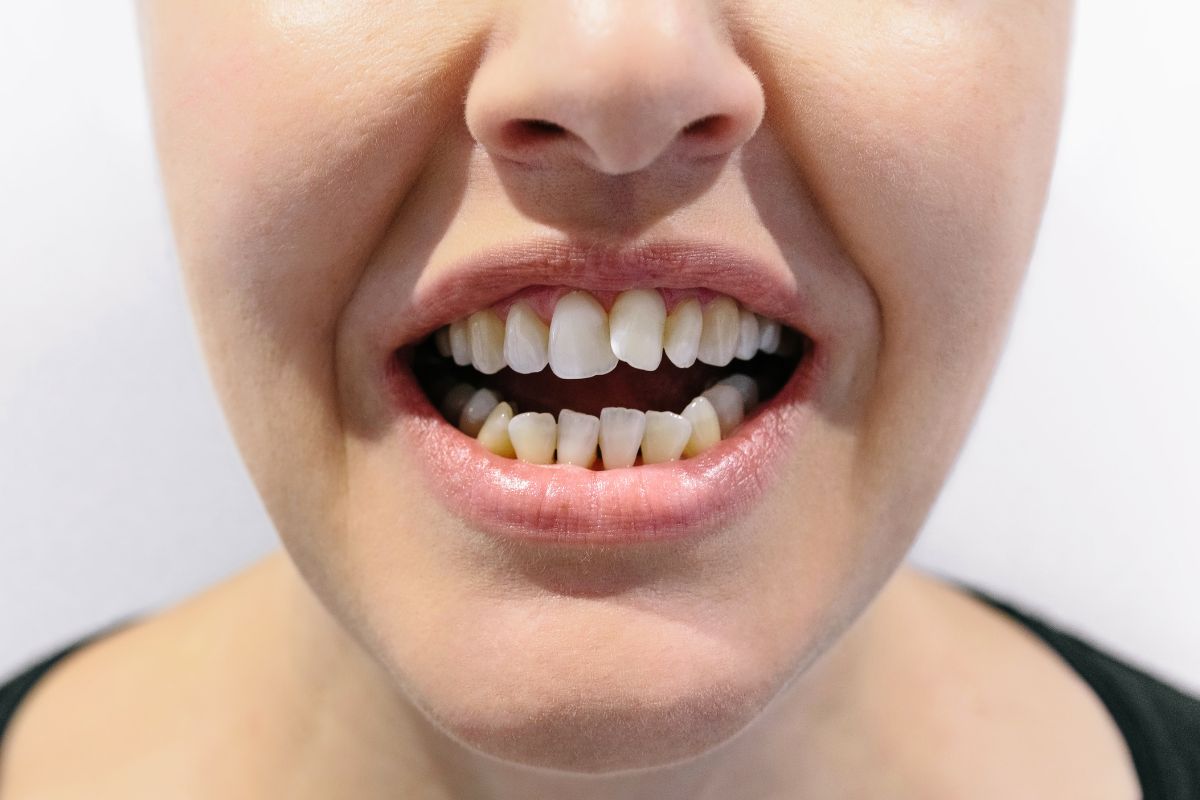
Close-up showing crowded and misaligned teeth that may be treated with clear aligners

What Aligners Cannot Determine From Appearance Alone

A photograph cannot show roots, bone support, decay, gum disease, or the full jaw relationship. Planning may include an examination, scan, photographs, and X-rays when indicated.

Patients can visit our dental office to determine whether their concern is primarily dental, involves jaw growth, or requires restorative care first. This distinction supports safer planning and a more stable bite.

When Traditional Braces May Be Considered

Clear trays are versatile, but not right for every movement. Significant jaw discrepancies, certain impacted teeth, or severe rotations may favor fixed appliances or coordinated care. Compare the options in Invisalign vs. Traditional Braces.

What Makes Treatment Successful?

This orthodontic appliance is only one part of the process. Success also depends on an accurate diagnosis and consistent habits. Patients generally need to:

  •             Wear trays for the prescribed daily hours
  •             Change sets only as directed
  •             Remove them for meals and most drinks
  •             Brush and floss before reinserting them
  •             Attend progress checks
  •             Wear retainers after active movement ends

Complexity and cooperation also affect the schedule. 

Start With a Complete Smile Evaluation in Jacksonville

Invisalign can correct many alignment and bite concerns, but suitability cannot be confirmed by symptoms or a photo alone. An evaluation identifies the cause and clarifies which option offers appropriate control. To discuss your smile goals and next steps, book an appointment at our Jacksonville dental office.

Frequently Asked Questions

Can clear aligners fix severely crooked teeth?

Some complex crowding can be treated with trays, attachments, or additional planning. Severity alone does not determine eligibility. A clinician must assess root support, bone support, bite relationships, and the required movements before recommending an appliance.

Can aligners close every type of tooth gap?

Many spaces respond to controlled tooth movement. Gaps caused by missing teeth, gum disease, an abnormal frenum, or tooth-size differences may require additional services or coordinated care to achieve a stable, natural-looking result.

Do clear aligners correct an overbite?

They can improve many tooth-related overbites. The amount of overlap, jaw relationship, age, and required tooth movements affect the plan. An examination is needed to tell whether trays can provide sufficient correction.

Can aligners move a rotated tooth?

Yes, selected rotations can be corrected. Tooth shape and the degree of rotation matter because the tray must grip the tooth effectively. Small attachments may provide additional leverage during planned movement.

Will straightening teeth improve oral health?

Better alignment may make brushing and flossing easier and can improve how teeth meet. It does not replace preventive care, and any decay or gum inflammation should be addressed before or during treatment as directed.


Young woman with blonde wavy hair smiling brightly, wearing a red and white striped shirt and pink cardigan.

10 Common Invisalign Mistakes That Delay Results | Dentist in Jacksonville

Common Invisalign mistakes can slow your treatment and keep you from getting the results you expected. While Invisalign is an effective way to straighten teeth, everyday habits such as not wearing your aligners long enough or skipping appointments can delay progress. If you’re looking for a trusted dentist in Jacksonville, knowing what mistakes to avoid can help keep your Invisalign treatment on schedule.

Common Invisalign Mistakes That Delay Results

The biggest reason Invisalign treatment takes longer than expected is not wearing the aligners as instructed. Clear aligners work by applying gentle, continuous pressure to move your teeth. When they’re removed too often or not cared for properly, that progress slows down.

Following your treatment plan consistently gives your teeth the best chance to move according to schedule.

Not Wearing Your Aligners Long Enough

Common Invisalign Mistakes That Delay Results

One of the most common mistakes is removing aligners too often.

Most patients should wear Invisalign aligners for 20 to 22 hours each day, taking them out only to:

  • Eat meals
  • Drink beverages other than water
  • Brush and floss
  • Clean the aligners

Leaving them out for extended periods reduces the consistent pressure needed to shift teeth.

If you frequently forget to put them back in, treatment may take much longer than originally planned.

Changing Aligners Too Early or Too Late

Every set of aligners is carefully designed to move your teeth in stages.

Changing trays earlier than instructed may prevent teeth from completing each movement.

Waiting too long to switch trays can also slow progress.

Always follow the schedule provided by your dental provider and attend regular checkups so your treatment stays on track.

Skipping Follow-Up Appointments

Even though Invisalign requires fewer office visits than traditional braces, those appointments remain important.

Your dentist checks that:

  • Teeth are moving correctly
  • Aligners fit properly
  • Attachments remain secure
  • No adjustments are needed

Missing appointments can allow small problems to become bigger ones before they’re noticed.

Eating or Drinking with Aligners In

Many patients accidentally damage their aligners by eating while wearing them.

Hard foods can:

  • Crack the plastic
  • Warp the trays
  • Affect the fit

Drinks such as:

  • Coffee
  • Tea
  • Soda
  • Sports drinks
  • Red wine

may stain the aligners or allow sugar and acids to become trapped against your teeth, increasing the risk of cavities.

Water is the only beverage that’s generally safe while wearing Invisalign.

Not Cleaning Your Aligners Properly

Dirty aligners collect bacteria, plaque, and food particles.

Poor cleaning habits may lead to:

  • Bad breath
  • Tooth discoloration
  • Gum irritation
  • Increased plaque buildup

Rinse your aligners every time you remove them and gently clean them daily using a soft toothbrush and lukewarm water. Avoid hot water because it can warp the plastic.

Ignoring Good Oral Hygiene

Straightening your teeth doesn’t replace good brushing and flossing habits.

Food trapped between your teeth can remain under the aligners for hours if you don’t brush before putting them back in.

This can increase your risk for:

  • Cavities
  • Gum disease
  • Tooth sensitivity
  • Bad breath

Maintaining excellent oral hygiene helps protect your smile throughout treatment.

The American Dental Association recommends maintaining good oral hygiene throughout orthodontic treatment to help protect your teeth and gums.

Losing or Damaging Your Aligners

Because Invisalign aligners are removable, they’re easy to misplace.

Common situations include:

  • Wrapping them in a napkin at restaurants
  • Leaving them on a tray
  • Accidentally throwing them away
  • Allowing pets to chew them

Whenever you remove your aligners, place them in their protective case.

If an aligner is lost or damaged, contact your dental office as soon as possible for guidance. Continuing treatment without the correct aligner may affect tooth movement.

Not Using Attachments or Elastics Correctly

Some Invisalign patients receive small tooth-colored attachments or are instructed to wear elastics.

These additional components help correct more complex tooth movements.

Skipping elastics or removing attachments without professional guidance may reduce treatment effectiveness and increase treatment time.

Wearing Damaged Aligners

Small cracks or bent edges may seem harmless, but damaged aligners often don’t apply pressure evenly.

Instead of forcing a damaged tray to work, contact your provider to determine whether you should move to the next aligner or replace the damaged one.

Trying DIY Fixes

If your aligners feel tight or uncomfortable, resist the temptation to trim, bend, or modify them yourself.

A poor fit could indicate that your teeth haven’t fully moved into position or that an adjustment is needed.

If you have concerns about your aligners or treatment progress, schedule a visit instead of attempting a home fix.

For patients considering Invisalign Jacksonville treatment, professional monitoring is one of the best ways to keep your smile progressing safely. Learn more about treatment options on the practice’s Invisalign page.

What Should You Do If Your Invisalign Treatment Falls Behind?

If you think your treatment isn’t progressing as expected, don’t panic. The sooner you address the issue, the easier it is to get back on track.

Here are a few steps you can take:

  • Wear your aligners for the recommended 20–22 hours each day.
  • Switch to a new set of aligners only when instructed.
  • Keep all scheduled dental appointments.
  • Brush and floss before putting your aligners back in.
  • Contact your dentist if an aligner is lost, cracked, or no longer fits properly.

Trying to fix the problem on your own can make treatment take even longer. Your dentist can evaluate your progress and recommend the best next step.

Tips to Stay on Schedule with Invisalign

Building a few simple habits can help you avoid delays and make treatment as smooth as possible.

  • Set reminders on your phone to put your aligners back in after meals.
  • Always carry your aligner case when you’re away from home.
  • Keep a travel toothbrush and toothpaste with you.
  • Clean your aligners every day to prevent stains and bacteria buildup.
  • Follow your wear schedule consistently, even on weekends or while traveling.
  • Attend every follow-up visit to make sure your treatment is progressing as planned.

Small, consistent habits often make the biggest difference in achieving the results you want.

When Should You Contact Your Dentist?

Reach out to your dental office if you notice any of the following:

  • Your aligners no longer fit properly.
  • An aligner cracks or breaks.
  • You lose a tray.
  • An attachment comes off.
  • You experience persistent pain that doesn’t improve after a few days.
  • You accidentally skipped wearing your aligners for an extended period.

Prompt attention can help prevent unnecessary delays and keep your treatment moving in the right direction.

Why Professional Guidance Matters

Invisalign treatment is customized for each patient. Every aligner is designed to move your teeth in a specific sequence, and regular monitoring helps ensure everything is progressing as planned.

Whether you’re just beginning treatment or already wearing aligners, working with an experienced provider gives you the confidence that your smile is moving safely and efficiently. If you’re looking for reliable local dental care or a family dentist in Jacksonville, choosing a team that closely monitors your progress can make all the difference.

Take the Next Step Toward a Healthier Smile

If you have questions about your aligners or are thinking about starting Invisalign treatment, A Beautiful Smile, The Office of Dr. Gina Mancini is here to help. Our team provides personalized care for patients throughout Jacksonville, NC, and takes the time to ensure your treatment stays on schedule.

Call (910) 347-9100 today to schedule your consultation and learn how Invisalign can help you achieve a healthier, more confident smile.

Frequently Asked Questions

1. What is the most common mistake people make with Invisalign?

The most common Invisalign mistakes that delay results include not wearing aligners for 20–22 hours a day, skipping appointments, changing trays too early, and poor oral hygiene.

2. Can missing a few days of Invisalign delay treatment?

Yes. Even a few days without wearing your aligners can affect tooth movement. Depending on how long they’ve been out, your dentist may recommend wearing your current aligners longer or adjusting your treatment schedule.

3. Can I drink coffee while wearing Invisalign?

It’s best to remove your aligners before drinking coffee, tea, soda, or other beverages besides water. Hot drinks can warp the plastic, while dark-colored beverages may stain the aligners and increase the risk of tooth decay.

4. What should I do if I lose an Invisalign tray?

Contact your dentist as soon as possible. They will let you know whether to wear your previous aligner, move to the next one, or order a replacement based on your treatment progress.

5. How can I make sure my Invisalign treatment stays on schedule?

Wear your aligners for 20–22 hours daily, clean them regularly, maintain good oral hygiene, switch trays only when instructed, and attend every follow-up appointment. Following these guidelines helps keep your treatment progressing as planned.


Woman holding clear dental aligner and smiling, showcasing discreet orthodontic treatment option.

Discreet Ways to Improve Your Smile Without Braces

Many adults want to improve their smile but feel hesitant about wearing traditional braces. Some people are concerned about how metal brackets might look at work or social events, while others just want a more subtle way to enhance their smile.
The good news is, braces aren’t the only way to improve your smile anymore. Today’s cosmetic dentistry offers several subtle treatments that can help fix gaps, crowding, uneven teeth, and other concerns—without the look of old-fashioned metal braces.
If you’re looking into Invisalign in Jacksonville or searching for a trusted local dentist, learning about these treatments can help you choose the best option for your lifestyle and smile goals.

Why Adults Look for Alternatives to Braces

Traditional braces can effectively straighten teeth, but many adults prefer treatments that are less noticeable in everyday life.
Common reasons patients explore alternative options include:
  • Concerns about appearance
  • Professional or social confidence
  • Comfort during treatment
  • Easier oral hygiene routines
  • Fewer food limitations
Modern cosmetic dentistry isn’t just about function—it’s about making sure your treatment feels comfortable and natural, especially for adults.

Invisalign Aligners

Invisalign is one of the most common alternatives to traditional braces. Instead of brackets and wires, Invisalign uses a series of custom-made clear aligners that gradually shift teeth into better alignment.
The aligners are made to fit comfortably over your teeth and are much less noticeable than traditional braces.
Patients interested in discreet orthodontic care often explore Invisalign in Jacksonville because the aligners can be removed while eating, brushing, and flossing.

Why Adults Consider Invisalign

Many adults like Invisalign because it fits easily into everyday routines.
Some commonly discussed benefits include:
  • Clear aligners with a subtle appearance
  • Removable trays for meals
  • Easier brushing and flossing
  • No metal wires or brackets
  • Gradual smile improvement over time
Treatment recommendations vary depending on the condition of the teeth and bite alignment.

Cosmetic Bonding for Small Smile Corrections

Some cosmetic concerns do not require orthodontic treatment. Dental bonding may help improve small imperfections by using a tooth-colored resin material that is shaped directly onto the teeth.
Bonding is sometimes used to improve:
  • Minor chips
  • Small gaps
  • Uneven edges
  • Slight discoloration
  • Worn enamel areas
Because the material matches your other teeth, bonding can give you a natural-looking smile.

Teeth Whitening for a Cleaner, Brighter Smile

Tooth discoloration can make teeth appear older or less healthy, even when alignment is not a major concern.
Professional whitening treatments are often chosen by patients who want to improve smile brightness while maintaining a natural appearance.
Unlike store-bought products, professional whitening is customized for your smile and your level of staining.
For some patients, whitening alone can lead to a noticeable improvement in overall smile confidence.

Veneers for Cosmetic Smile Enhancement

Dental veneers are thin porcelain coverings placed over the front surface of teeth to improve appearance.
Veneers may be recommended for concerns involving:
  • Uneven tooth shape
  • Surface stains
  • Minor spacing issues
  • Small alignment concerns
  • Worn or chipped teeth
Because veneers are made just for you, they can create a balanced, natural-looking smile that still looks subtle.

Choosing the Right Cosmetic Option

Dentist helping a smiling patient evaluate cosmetic dental treatment results while looking in a hand mirror during a consultation.

Not every cosmetic treatment is right for every patient. The best option depends on factors like oral health, alignment concerns, lifestyle, and long-term smile goals.
Some patients may benefit from Invisalign, while others may see improvement through cosmetic bonding, whitening, or veneers.
A dental consultation helps you find the best approach for your needs—instead of just following trends.

The Importance of a Natural-Looking Smile

One thing many adult patients have in common is the desire for results that do not look overly artificial or obvious.
Modern cosmetic dentistry often focuses on:
  • Natural tooth appearance
  • Balanced smile design
  • Conservative cosmetic improvements
  • Long-term oral health support
Small changes can boost your confidence and still keep your smile looking natural and comfortable.

Local Cosmetic Dental Care in Jacksonville

Working with a local dental office allows patients to receive personalized recommendations based on their smile concerns and oral health needs.
If you live in Jacksonville and are thinking about Invisalign or other cosmetic dental treatments, A Beautiful Smile, The Office of Dr. Gina Mancini offers care that’s focused on your comfort, appearance, and long-term oral health.
Choosing a trusted dentist in Jacksonville also makes follow-up care and treatment monitoring more convenient throughout the process.

Schedule a Cosmetic Dentistry Consultation

You don’t always need traditional braces to improve your smile. Today’s cosmetic dentistry gives you several subtle options that can enhance your teeth and fit right into your daily life.
If you are interested in Invisalign Jacksonville treatment or want to learn more about cosmetic smile solutions, scheduling a consultation is a good first step toward understanding your options.
Call (910) 347-9100 to schedule your appointment with us.

FAQs

Is Invisalign less noticeable than traditional braces?
Yes. Invisalign aligners are clear and designed to be less visible than metal braces.
Can adults use Invisalign?
Yes. Many adults choose Invisalign because it offers a more discreet orthodontic treatment option.
Are veneers used to straighten teeth?
Veneers can improve the appearance of minor alignment concerns, but they do not physically move teeth like orthodontic treatment.
How do I know which cosmetic treatment is right for me?
A dental consultation can help determine which treatment best matches your oral health condition and cosmetic goals.
Can cosmetic dentistry improve confidence?
Many patients feel more comfortable smiling, speaking, and socializing after improving the appearance of their teeth.
Woman holding clear Invisalign aligners and smiling in a bathroom mirror setting.

Can You Eat and Drink Normally With Invisalign?

If you’re considering Invisalign treatment, one of the most common questions is about food and drinks. Unlike traditional braces, Invisalign offers more flexibility—but that doesn’t mean there are no rules. Understanding how to eat and drink properly during your treatment can help you get the best results while keeping your aligners in great condition.

Eating With Invisalign: What You Need to Know

Eating With Invisalign What You Need to Know

One of the biggest advantages of Invisalign is that the aligners are removable. This means you can continue enjoying your favorite foods without the restrictions that come with metal braces.

Yes, you can eat normally—but only after removing your aligners.

Before every meal or snack, you should take out your aligners. Eating while wearing them can lead to damage, staining, or even warping of the trays.

Why removing aligners is important:

  • Prevents cracks or breakage
  • Avoids food getting trapped between teeth and aligners
  • Keeps aligners clear and stain-free

Once you’re done eating, brush your teeth before putting your aligners back in. This helps maintain oral hygiene and prevents food particles from getting stuck inside.

What About Drinking With Invisalign?

When it comes to drinking, the rules are a bit stricter.

Water is the only drink you can safely consume while wearing your aligners.
Other beverages—especially hot, sugary, or colored drinks—can cause problems.

Here’s why:

  • Hot drinks like coffee or tea can warp the plastic
  • Sugary drinks can get trapped and increase the risk of cavities
  • Colored beverages like soda, wine, or juice can stain your aligners

If you want to enjoy anything besides water, simply remove your aligners, drink your beverage, and rinse your mouth before putting them back in.

Tips to Make Eating Easier During Treatment

Adjusting to Invisalign doesn’t have to be difficult. A few simple habits can make your experience smooth and stress-free:

  • Always carry your aligner case to store them safely while eating
  • Brush and floss after meals whenever possible
  • Rinse your aligners before putting them back in
  • Stick to your recommended wear time (20–22 hours daily)

These small steps can make a big difference in maintaining both your oral health and your treatment progress.

Foods to Be Mindful Of

Even though Invisalign allows you to eat freely, it’s still wise to be cautious with certain foods—especially right after switching to a new set of aligners when your teeth may feel sensitive.

Be careful with:

  • Very hard foods like nuts or hard candies
  • Sticky foods such as caramel or chewing gum
  • Extremely crunchy items that may cause discomfort

While these foods won’t damage your aligners (since you remove them), they can still cause sensitivity or discomfort during your treatment.

Staying on Track With Invisalign

Consistency is key to achieving the best results. Since Invisalign trays are removable, it can be tempting to leave them out longer than necessary—but this can delay your progress.

Make sure you:

  • Wear your aligners for at least 20–22 hours a day
  • Only remove them for eating, drinking (non-water beverages), and cleaning
  • Follow your dentist’s instructions carefully

If you’re searching for invisalign options, choosing the right dental provider can make your journey even smoother and more effective.

The Bottom Line

Invisalign makes it easy to maintain your lifestyle while straightening your teeth. You can enjoy your favorite meals and drinks—as long as you remove your aligners and follow proper care routines.

By staying consistent and mindful, you’ll protect your aligners and keep your treatment on track for faster, more comfortable results.

Ready for a Confident, Straighter Smile in Jacksonville?

If you’re in Jacksonville and considering Invisalign, choosing the right provider can make all the difference in your experience and results. At A Beautiful Smile, The Office of Dr. Gina Mancini, patients receive personalized, expert Invisalign care designed for comfort, convenience, and long-term success.

Whether you’re just starting your journey or need guidance along the way, their friendly team is here to support you every step of the process.

Serving patients throughout Jacksonville and nearby communities
Schedule your consultation today and take the first step toward a straighter, more confident smile

Your perfect smile is closer than you think—start your Invisalign journey today!

FAQs

  1. Can I eat normally while using Invisalign aligners?
    Yes, you can eat all your favorite foods, but only after removing your aligners before meals or snacks. Eating with aligners on can damage them and trap food, leading to hygiene issues.
  2. Can I drink coffee or other beverages with Invisalign on?
    No, you should only drink water while wearing your aligners, as hot or colored drinks can warp or stain them. For other beverages, remove your aligners, drink, and rinse your mouth before putting them back in.
  3. Do I need to brush my teeth after every meal during Invisalign treatment?
    Yes, brushing after eating is highly recommended to prevent food particles from getting trapped under the aligners. This helps maintain oral hygiene and reduces the risk of cavities and bad breath.
  4. What happens if I eat or drink without removing my aligners?
    Eating or drinking with aligners on can cause staining, warping, or even cracks in the trays. It can also increase the risk of plaque buildup and tooth decay.
  5. How can I stay consistent with Invisalign while eating and drinking?
    Carry your aligner case, remove trays only when necessary, and ensure you wear them for 20–22 hours daily. Following these habits helps keep your treatment on schedule and ensures the best results.
Woman holding a clear Invisalign aligner tray between her hands, demonstrating the transparent orthodontic treatment.

How Long Does Invisalign Take to Work?

If you’ve been thinking about straightening your teeth but want something discreet and flexible enough to fit your lifestyle, Invisalign is often the first solution people explore. One of the most common questions we hear from patients around Jacksonville is simple: How long does Invisalign actually take to work?

The timeline depends on your unique smile, what you hope to achieve, and how consistently you wear your aligners. Let’s break down what you can expect on your Invisalign journey.

The Average Invisalign Timeline

For most teens and adults, Invisalign treatment typically lasts:

  • 6 to 12 months for mild crowding or small gaps

  • 12 to 18 months for moderate alignment concerns

  • Up to 24 months for more complex bite corrections

Many patients begin noticing subtle changes within the first 6 to 8 weeks. Teeth gradually shift as you move through a series of custom aligners, usually switching trays every one to two weeks.

The most important factor? Wearing your aligners 20–22 hours per day.

What Can Affect Your Treatment Time?

Not every smile moves at the same pace. Several factors influence how long your Invisalign journey will take.

1. The Complexity of Your Case

Minor spacing issues can often be corrected quickly. However, overbites, underbites, and crossbites require more detailed movement, which naturally takes longer.

2. Age

Teenagers sometimes see slightly faster results because their jaws are still developing. Adults achieve excellent outcomes too, though movement can be slightly more gradual.

3. Consistency

Removing aligners too often or forgetting to wear them overnight can slow progress. Invisalign works best when it’s part of your daily routine.

4. Refinements

Some patients need small finishing adjustments near the end of treatment to perfect their smile. This can add a few additional weeks.

When Will I Start Seeing Results?

One of the most exciting parts of Invisalign is that progress happens steadily. Most patients notice:

  • Subtle shifting within the first month
  • Visible improvements by month three
  • Significant changes by mid-treatment

For busy professionals, military families, and students, the clear aligners offer a low-profile option that fits easily into daily life. Whether you’re heading to work, attending local events, or enjoying time with family on the weekends, you can improve your smile without drawing attention to orthodontic treatment.

If you’re researching invisalign options, a personalized consultation will give you a precise estimate based on your current alignment and long-term goals.

What Happens During Treatment?

Understanding the process makes the timeline feel less overwhelming.

Digital Consultation

Your dentist takes a detailed 3D scan of your teeth. This allows you to see a preview of your expected results before treatment even begins.

Custom Aligner Series

You’ll receive a sequence of clear trays designed specifically for your teeth. Each set gently guides your smile closer to alignment.

Progress Check Appointments

You’ll have periodic visits to ensure everything is moving according to plan. These appointments are typically quick and comfortable.

Retention Phase

Once your treatment is complete, you’ll wear a retainer to maintain your new smile and prevent shifting.

Is Invisalign Faster Than Braces?

In many mild to moderate cases, Invisalign can work just as fast — or sometimes faster — than traditional braces. However, more complex orthodontic concerns may require similar treatment time.

The real advantage for many patients is convenience:

  • No food restrictions
  • No metal brackets or wires
  • Fewer unexpected emergency visits

This flexibility makes it easier to stay consistent, which helps keep your timeline on track.

How to Stay on Schedule

If you want your Invisalign treatment to stay efficient, keep these tips in mind:

  • Wear your aligners at least 20–22 hours daily
  • Switch trays exactly when instructed
  • Clean aligners regularly to prevent staining
  • Keep them stored safely when removed
  • Attend all follow-up visits

Consistency truly makes a difference in how quickly you see results.

Is Invisalign Worth It?

For many patients, the answer is yes.

A straighter smile does more than enhance your appearance. Proper alignment makes brushing and flossing easier, reduces uneven wear on teeth, and supports better bite function. Over time, this contributes to stronger long-term oral health.

Patients often share that once treatment is complete, they wish they had started sooner. The months invested in treatment feel small compared to the lasting confidence gained.

Planning Around Life Events

If you have a wedding, graduation, or major event coming up in the Jacksonville area, be sure to mention it during your consultation. While teeth cannot move faster than biology allows, starting early ensures you see noticeable improvements before important milestones.

Even partial alignment can make a meaningful difference in photos and everyday confidence.

Start Your Invisalign Journey with Confidence

If you’re ready to explore clear aligner treatment, contact us today to schedule your consultation. Our team is here to create a personalized plan that fits your lifestyle and helps you achieve a beautifully aligned smile with comfort and clarity.

FAQs

1. How long does Invisalign usually take to straighten teeth?
Invisalign treatment typically takes 6 to 18 months, depending on the complexity of your alignment issues and how consistently you wear your aligners.

2. How soon will I see results with Invisalign?
Most patients begin noticing subtle tooth movement within the first 6 to 8 weeks of starting treatment.

3. Do I need to wear Invisalign aligners all day?
Yes, aligners should be worn for 20–22 hours per day to keep your treatment progressing on schedule.

4. Is Invisalign faster than traditional braces?
For mild to moderate cases, Invisalign can work as quickly as braces, but complex cases may require a similar treatment timeline.

Dentist discussing Invisalign treatment options with smiling patient in modern Jacksonville dental office.

What Invisalign Uses Instead of Brackets to Improve Performance

You’ve no doubt heard of Invisalign dental aligners in Jacksonville, NC, but chances are you aren’t familiar with what they are made of and exactly what makes them work so well…right? So, if you are trying to decide if Invisalign clear dental aligners are right for you, keep reading. We’ll start with the material that Invisalign dental aligners are made of.

What Is SmartTrack Material?

Invisalign SmartTrack is a patented, flexible aligner material. It’s designed to provide better, more effective, enhanced control over the movement of your teeth. SmartTrack is also known for being more comfortable and easier to use than clear generic dental aligners.

What Are Invisalign SmartForce Attachments?

Invisalign SmartForce attachments are custom-crafted, tooth-colored, button-like shapes that are cemented to your teeth. They are designed to give your aligners something to grip. These attachments are what give the aligners the ability to guide their movements more precisely. Therefore, the attachments help provide a more predictable result.

What Makes Invisalign Dental Aligners Better Than Other Dental Aligners?

Invisalign, with attachments, use a pre-programmed movement technology, if you will. The benefit is that they provide more efficient adjustments. Other clear dental aligners don’t use SmartTrack material or SmartForce attachments. Therefore, Invisalign is the superior product.

Not everyone will need the extra assistance of the attachments. Your dentist in Jacksonville, NC, will let you know if they are right for you.

Vivera Retainers for Post-Treatment Maintenance

Invisalign also offers Vivera retainers in Jacksonville, NC. They are made with SmartTrack material as well. So they are just as durable. These retainers are usually recommended after an Invisalign treatment. They will help keep your teeth from shifting back out of place.

Do You Need a Reputable Dentist in Jacksonville, NC?

If you need a reputable dentist in Jacksonville, NC, please contact A Beautiful Smile, The Office of Dr. Gina Mancini today. Our team of professionals truly cares about you and your overall health and dental needs. We offer a full suite of comprehensive dental treatments to ensure you receive the best dental care possible.