
Guide to Dental Emergency Care (Including Holidays & Weekends)
Dental emergencies rarely happen at convenient times. They tend to show up during holiday dinners, long weekends, family vacations, or right before an important event. When your schedule is already full, the last thing you want is sudden tooth pain interrupting everything.
That is especially true in Jacksonville, North Carolina, where busy beach weekends, community festivals, and holiday gatherings keep families constantly on the move. Understanding what qualifies as a dental emergency — and knowing where to turn — can protect both your health and your plans.
Why Dental Emergencies Increase on Holidays & Weekends
Search patterns consistently show spikes in dental emergency calls during:
- Thanksgiving and Christmas weekends
- Fourth of July celebrations
- Spring break
- Graduation season
- Long holiday weekends
There are clear reasons for this increase. Holiday meals often include sticky desserts, hard candies, and crunchy foods that can crack teeth or loosen crowns. Travel disrupts normal brushing routines. Busy schedules cause people to ignore mild discomfort until it becomes severe.
Add sports activities, outdoor events, and late-night celebrations, and the risk rises even more.
When pain suddenly appears, many people begin searching online for an emergency dentist in jacksonville because waiting until Monday is simply not an option.
What Qualifies as a True Dental Emergency?
Not every dental concern requires immediate treatment, but certain symptoms should never be ignored.
You should seek urgent care if you experience:
- Severe or persistent tooth pain
- Facial or gum swelling
- A knocked-out tooth
- A cracked or broken tooth
- A lost crown or filling causing discomfort
- Bleeding that does not stop
Pain is your body’s warning system. Swelling may signal infection. Ignoring these signs can allow the issue to worsen quickly.
What To Do Before You Reach the Office
If a dental emergency happens during a busy weekend, staying calm is the first step.
For a knocked-out tooth, handle it by the crown, not the root. Gently rinse it without scrubbing. If possible, place it back in the socket. If that feels uncomfortable, store it in milk and seek immediate care.
For swelling, rinse with warm saltwater and apply a cold compress to the outside of your cheek in short intervals. This can help reduce inflammation while you arrange treatment.
For a broken tooth, avoid chewing on that side and keep the area clean. Even if pain seems manageable, prompt evaluation is important.
Temporary measures can help you stay comfortable, but they do not replace professional care.
Emergency Services During Busy Event Weekends
Event-filled weekends can make dental pain feel even more stressful. Whether it’s a family celebration, a tournament, or a packed holiday schedule, interruptions are frustrating.
Emergency dental services may include:
- Immediate toothache relief
- Infection management
- Emergency root canal therapy
- Repair of broken crowns or fillings
- Treatment for dental trauma
- Evaluation of abscesses
Fast diagnostics and same-day treatment prevent small problems from escalating into serious complications. Access to care outside traditional weekday hours provides peace of mind during high-traffic times of year.
When discomfort strikes unexpectedly, knowing you can reach an emergency dentist allows you to focus on recovery rather than uncertainty.
Why Acting Quickly Matters
Delaying treatment can lead to:
- Increased swelling
- Spreading infection
- Bone damage
- Tooth loss
- More complex procedures
Dental infections do not resolve on their own. What begins as a dull ache can develop into intense pain within hours. Early intervention often means simpler treatment, faster healing, and lower overall stress.
Prompt care protects both your oral health and your overall wellbeing.
Reducing Your Risk Before the Next Holiday
While not all emergencies are preventable, you can lower your risk by maintaining routine dental care throughout the year.
Consider these preventive steps:
- Schedule cleanings before major holidays
- Avoid chewing hard objects like ice
- Wear a mouthguard during sports
- Address small cracks or sensitivity early
- Maintain consistent brushing and flossing habits
Preparation makes a difference, especially before busy weekends when access to care may feel more urgent.
Compassionate Care When You Need It Most
Dental emergencies are not just physical — they are emotional. Sudden pain can create anxiety, especially during important family moments or celebrations.
Modern emergency dentistry focuses on more than quick fixes. It prioritizes clear communication, gentle treatment, and immediate relief in a supportive environment. Feeling heard and reassured often makes the biggest difference during stressful situations.
Busy weekends should be spent enjoying time with loved ones, not managing preventable pain.
Don’t Let Dental Pain Ruin Your Holiday Plans
If you experience sudden tooth pain, swelling, or trauma during a weekend or holiday, do not wait.
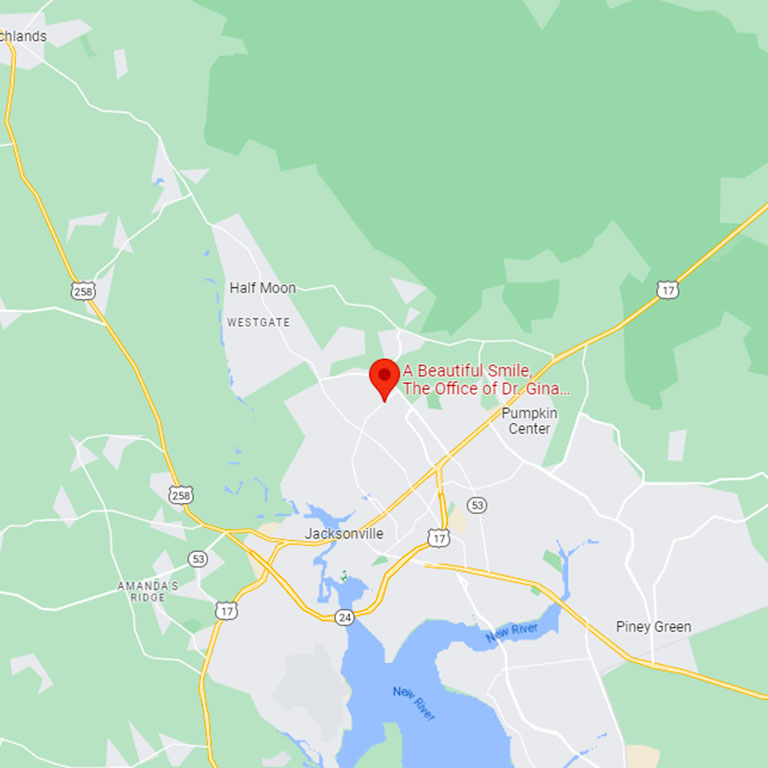
Contact A Beautiful Smile, The Office of Dr. Gina Mancini for prompt emergency evaluation and compassionate care. Our team is dedicated to providing fast relief and high-quality treatment when you need it most — so you can return to your plans with comfort and confidence.
FAQs:
What is a dental emergency?
It includes severe pain, facial swelling, a knocked-out or broken tooth, and uncontrolled bleeding.
What if a tooth is knocked out?
Hold it by the crown, rinse gently, and try to reinsert it or store it in milk until you see a dentist.
How do I manage swelling?
Rinse with warm saltwater and apply a cold compress to your cheek to reduce inflammation.
Why do emergencies spike on holidays?
Sticky or hard festive foods, travel, and sports often lead to cracked teeth or sudden infections.