

Dentist examining patient's mouth during oral exam in Jacksonville dental office.

What Happens If You Avoid the Dentist for Too Long?

Most people do not plan to avoid the dentist for years.

Life simply gets busy. Work schedules fill up, kids’ activities take priority, and dental appointments slowly move lower on the to-do list. Sometimes people delay visits because nothing hurts yet. Others avoid going because of anxiety, embarrassment, or the assumption that small problems can wait a little longer.

The issue is that many dental problems develop quietly.

A cavity may start small without causing pain. Gum disease can progress gradually without obvious symptoms. By the time discomfort appears, the problem is often more advanced than patients expected.

Regular dental visits are designed to catch these issues early before they become more painful, stressful, or difficult to treat. Many people throughout Jacksonville and nearby coastal North Carolina communities eventually schedule a dental appointment after noticing changes they can no longer ignore — like sensitivity, bleeding gums, bad breath, or discomfort while eating.

For patients searching online for a trusted dentist Jacksonville NC residents rely on for preventive care, understanding the risks of delaying treatment can help explain why routine dental visits matter so much long term.

Plaque and Tartar Continue Building Up

Even people who brush and floss every day still develop plaque over time.

Plaque is a sticky film of bacteria that forms naturally on teeth. When it is not removed regularly through professional cleanings, it hardens into tartar.

Once tartar develops, it cannot be removed with brushing alone.

Over time, this buildup may lead to:

  • Yellowing or staining
  • Bad breath
  • Gum irritation
  • Increased bacteria around the teeth and gums

Professional dental cleanings help remove these deposits before they begin causing more serious oral health concerns.

Cavities Usually Get Worse — Not Better

One common misconception is that cavities always cause immediate pain.

In reality, many cavities begin silently. A tooth may look and feel normal while decay slowly spreads underneath the surface.

Tooth sensitivity

Without treatment, small cavities can eventually become:

  • Tooth sensitivity
  • Pain while chewing
  • Cracked teeth
  • Dental infections
  • The need for root canal treatment
  • Tooth loss

Treating a cavity early is typically far simpler than waiting until the tooth becomes painful.

Gum Disease Often Develops Slowly

Gum disease is another condition many patients do not notice right away.

Early symptoms may seem minor, including:

  • Slight bleeding while brushing
  • Swollen gums
  • Redness
  • Occasional bad breath

Because these signs may not feel urgent, people often ignore them.

However, untreated gum disease can progress and eventually damage the bone supporting the teeth. In more advanced stages, patients may experience:

  • Gum recession
  • Loose teeth
  • Chronic inflammation
  • Bone loss
  • Tooth loss

Routine exams and cleanings help identify gum disease early before permanent damage develops.

Small Problems Often Turn Into Bigger Treatments

A minor dental issue today may become a much larger procedure later if it is left untreated.

For example:

  • A small cavity may eventually require a crown
  • An untreated infection could lead to extraction
  • Minor enamel damage may worsen over time
  • Cracked teeth can become structurally weaker

Preventive care focuses on addressing concerns while treatment is still simpler and more conservative.

Many patients visiting a dental office after several years away are surprised by how much small problems progressed without obvious symptoms.

Tooth Pain Usually Means The Problem Has Advanced

Many people wait until a tooth hurts before scheduling a dental visit.

Unfortunately, pain often signals that decay or infection has already reached deeper areas of the tooth.

Persistent discomfort may indicate:

  • Infection
  • Deep decay
  • Nerve irritation
  • Cracked teeth
  • Advanced gum disease

Dental pain rarely improves permanently without treatment, even if symptoms temporarily fade.

Oral Health Can Affect Overall Health

Dental health is closely connected to overall health and wellness.

Research continues showing links between chronic oral inflammation and broader health concerns. Untreated gum disease may contribute to increased inflammation throughout the body.

Maintaining healthy teeth and gums is an important part of long-term preventive healthcare.

Dental Anxiety Often Gets Worse With Delay

Many adults avoid dental visits because of fear or previous negative experiences.

However, postponing care often creates more stress later because dental issues become larger and more intimidating over time.

Patients commonly say:

  • “I wish I came sooner.”
  • “It wasn’t nearly as bad as I expected.”
  • “I waited too long because I was nervous.”

Modern dentistry focuses heavily on patient comfort, communication, and preventive care to help make appointments less stressful.

Preventive Dental Visits Are Usually Simple

Routine dental appointments are meant to help patients stay ahead of problems before major treatment becomes necessary.

Preventive visits often include:

  • Professional cleanings
  • Dental exams
  • Digital X-rays
  • Gum evaluations
  • Preventive recommendations

These appointments help dentists identify concerns early and support long-term oral health.

Signs You Should Schedule A Dental Visit
Signs You Should Schedule A Dental Visit

It is important not to ignore symptoms like:

  • Tooth sensitivity
  • Bleeding gums
  • Bad breath
  • Tooth pain
  • Swelling
  • Loose teeth
  • Difficulty chewing
  • Jaw discomfort

Even mild symptoms may indicate developing dental problems.

Why Preventive Dental Care Matters

Most patients are not trying to achieve “perfect” teeth.

Regular dental care is really about:

  • Preventing pain
  • Protecting natural teeth
  • Avoiding larger procedures later
  • Maintaining healthy gums
  • Supporting long-term oral health

Small preventive visits today can often help patients avoid more complex treatment in the future.

Final Thoughts

Avoiding dental visits for too long can allow small oral health concerns to quietly become more serious problems over time. Cavities, gum disease, infections, and tooth damage often progress gradually before noticeable symptoms appear.

For individuals throughout Jacksonville and nearby coastal North Carolina communities looking for preventive dental care in a comfortable setting, A Beautiful Smile, The Office of Dr. Gina Mancini provides personalized treatment focused on long-term oral health and patient comfort. Scheduling a routine visit is an important step toward maintaining healthy teeth and preventing future dental complications.

FAQs

What happens if you avoid the dentist for years?

Untreated dental issues may gradually worsen and lead to cavities, gum disease, infections, or tooth loss.

Can cavities heal on their own?

No. Cavities typically continue progressing unless they are professionally treated.

Is bleeding while brushing normal?

Persistent bleeding gums may be an early sign of gum disease and should be evaluated.

How often should adults visit the dentist?

Most adults benefit from preventive visits every six months, though recommendations vary by patient.

Can avoiding the dentist affect overall health?

Yes. Oral health is connected to overall health, and untreated gum disease may contribute to inflammation in the body.

What symptoms should not be ignored?

Tooth pain, swelling, bleeding gums, sensitivity, and difficulty chewing should all be evaluated by a dental professional.


 

Female patient smiling in dental chair while dentist discusses healthy teeth habits.

Daily Habits Dentists Recommend for Healthy Teeth

Your smile is one of the first things people notice—and keeping it healthy doesn’t require complicated routines or expensive treatments. In fact, most dentists agree that strong, healthy teeth come down to simple daily habits done consistently.

If you’ve ever wondered why cavities or gum issues still happen even when you brush regularly, the answer often lies in how and when you care for your teeth—not just if you do.

Let’s break down the daily habits dentists truly recommend—and how you can easily fit them into your routine.

1. Brush Twice a Day (But Do It the Right Way)

Brushing twice daily sounds basic, but technique matters more than most people realize.

What dentists recommend:

  • Brush for at least 2 minutes
  • Use a soft-bristled toothbrush
  • Hold your brush at a 45-degree angle to your gums
  • Clean every surface gently and thoroughly

Morning brushing removes bacteria buildup overnight, while nighttime brushing clears away plaque and food from the day.

Skipping your nighttime routine is one of the most common causes of preventable dental issues.

2. Don’t Skip Flossing

If brushing cleans about 60% of your tooth surface, flossing handles the rest.

Flossing once a day helps:

  • Remove food between teeth
  • Prevent plaque buildup
  • Reduce gum inflammation

If flossing feels difficult, floss picks or water flossers can make it easier. What matters most is consistency.

3. Stay Hydrated Throughout the Day

Water does more than quench your thirst—it naturally cleans your mouth.

Drinking water helps:

  • Wash away food debris
  • Neutralize acids
  • Prevent dry mouth

In places like Jacksonville, where the weather can often be warm and humid, staying hydrated becomes even more important. Dehydration can lead to bad breath and increase the risk of cavities.

4. Choose Tooth-Friendly Foods

Your diet plays a major role in your dental health.

Best foods:

  • Crunchy fruits and vegetables (apples, carrots)
  • Dairy products (cheese, yogurt)
  • Leafy greens

Limit:

  • Sugary snacks
  • Sticky candies
  • Acidic drinks like soda

A balanced diet helps protect your enamel and overall oral health.

5. Avoid Constant Snacking

Frequent snacking—especially on sugary foods—keeps your teeth under constant acid attack.

Each time you eat, bacteria produce acids that weaken enamel. Giving your mouth time to recover between meals is essential.

Tip: Choose low-sugar snacks and rinse your mouth with water afterward.

6. Protect Your Teeth from Grinding

Teeth grinding (often during sleep) can lead to:

  • Tooth wear
  • Jaw pain
  • Cracks or fractures

If you wake up with jaw discomfort or headaches, it may be worth discussing with your dentist. A custom nightguard can help protect your teeth.

7. Replace Your Toothbrush Regularly

Using an old toothbrush is like cleaning with worn-out tools—it simply doesn’t work well.

Replace your toothbrush:

  • Every 3–4 months
  • After recovering from illness
  • When bristles start to fray

A fresh toothbrush ensures better cleaning and healthier gums.

8. Use Fluoride Toothpaste

Fluoride strengthens enamel and helps prevent cavities.

It works by:

  • Repairing early tooth decay
  • Protecting against acid damage
  • Keeping teeth strong

Using fluoride toothpaste daily is a simple but powerful habit.

9. Keep Up with Regular Dental Visits

Even with perfect habits, professional care is still necessary.

Routine checkups allow dentists to:

  • Catch issues early
  • Perform deep cleanings
  • Offer personalized advice

If it’s been more than six months since your last visit, it might be time to schedule one with a trusted dentist.

10. Build a Night Routine You Won’t Skip

Build a Night Routine You Wont Skip

Most people skip dental care when they’re tired.

Make it easier by:

  • Brushing earlier in the evening
  • Keeping tools easily accessible
  • Pairing it with another habit (like skincare)

Consistency at night is one of the biggest factors in preventing dental problems.

Why These Habits Matter

Small daily habits create long-term results.

Neglecting even one habit can lead to:

  • Cavities
  • Gum disease
  • Bad breath
  • Expensive treatments

On the other hand, consistency helps maintain a healthy smile and reduces the need for complex dental care.

A Quick Tip for Staying Consistent

No matter where you live, busy schedules and daily responsibilities can make it easy to overlook oral care. In cities like Jacksonville, where routines can be fast-paced and weather often stays warm, staying consistent with simple dental habits becomes even more important.

Whether you’re heading to work, managing family life, or just getting through a busy day, building a quick and effective routine can help you stay on track—without extra stress.

Final Thoughts

Healthy teeth don’t happen overnight—they’re built through small, consistent habits. The good news is that these habits are simple and easy to follow.

By making oral care part of your daily routine, you can protect your smile, improve your health, and avoid unnecessary dental problems.

Schedule Your Dental Checkup

If it’s been a while since your last visit or you’re experiencing any discomfort, getting professional care is a smart next step.

At A Beautiful Smile, The Office of Dr. Gina Mancini in Jacksonville, NC, patients receive personalized care focused on prevention and long-term oral health. Their team helps you stay on track with routine cleanings, early detection, and practical guidance tailored to your lifestyle.

Scheduling a visit is a simple way to protect your smile and maintain healthy teeth for years to come.

FAQs

1. How often should I brush my teeth daily?

You should brush at least twice a day—once in the morning and once before bed.

2. Is flossing really necessary every day?

Yes. Flossing removes plaque and food particles that your toothbrush can’t reach.

3. What foods help keep teeth healthy?

Foods like apples, carrots, cheese, and leafy greens are great for maintaining strong teeth.

4. When should I visit a dentist?

It’s recommended to visit every six months, or sooner if you notice pain or discomfort.

5. Can drinking water really improve oral health?

Absolutely. Water helps rinse away bacteria and keeps your mouth hydrated.

Woman with toothache holding her cheek in dental office with hygienist in background.

Top Signs of Oral Cancer

Oral cancer is a serious, potentially fatal disease that can be easily treated if caught early. The key to treating oral cancer is early detection, which requires knowing the signs and symptoms of cancer. Here are common signs to watch for.

Sores that Won’t Heal

If you have a sore in your mouth that won’t heal, it can be a sign of oral cancer. There can be other causes of this problem as well, such as an abscess or gum disease, but these also need to be addressed by a dental professional. These sores can be anywhere in the mouth, including the tongue, gums, lips, and other soft tissue.

Growths on the Gums

A growth on the gums can also be a sign of oral cancer. Again, not all tumors or growths are cancerous, but you need to get it looked at if you notice one in order to protect yourself and get the proper oral cancer screening to ensure that is not cancer.

Unexplained Swelling

Swelling in the jaw or neck that’s not due to a known injury, and that does not resolve itself quickly, is another indicator that could mean oral cancer. Swelling of the salivary glands can also be a concern.

Unexplained Pain

Pain in your mouth should resolve quickly, but if it doesn’t, then it could indicate you have a problem brewing. Pain can indicate oral cancer, cavities, and infections. No matter the underlying cause, getting the area inspected by a dentist to ensure it’s not cancerous is important.

If you have any of these symptoms that last for more than two weeks without improvement, it’s time to see the dentist. Oral cancer screenings can help you find and treat cancer before it spreads. If you have any concerns, reach out to A Beautiful Smile, The Office of Dr. Gina Mancini to schedule a screening appointment.

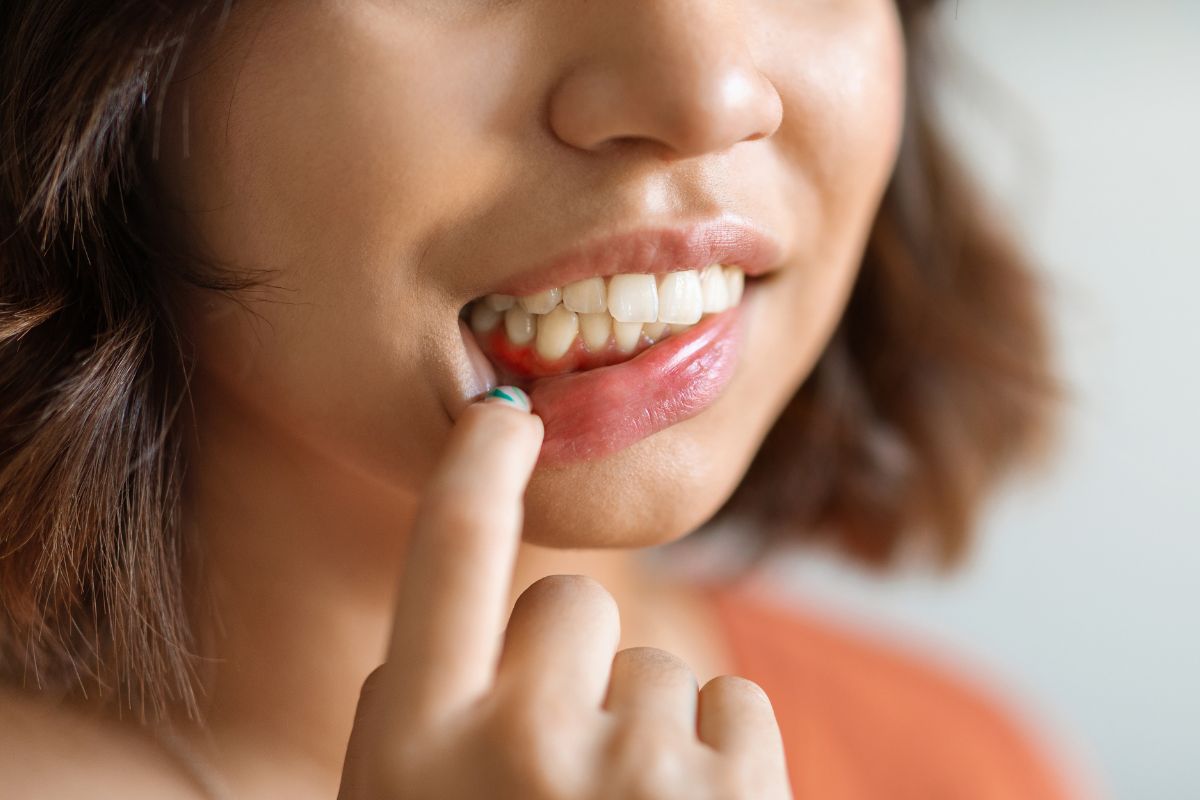
Person pointing to inflamed gum tissue showing signs of oral cancer or gum disease.

5 Signs of Oral Cancer 

No one wants to hear the word “cancer,” but at A Beautiful Smile, we want to inform and educate our patients so they can take charge of their health. Oral cancer, when caught early, has several successful treatment options available. The key is getting a screening at the first sign of a problem. Here are five signs that you should make an appointment with our team for an oral cancer screening.

1. Cold Sores That Don’t Heal

When is a cold sore more than just a cold sore? The answer to that question depends on if the cold sore is going away or lingering for weeks and even months. This condition, though common, can also be a sign of oral cancer. Schedule a screening if you have a cold sore that just isn’t getting better.

2. Lumps or Thickening

Lumps or thickening of the skin on the lips or cheeks can also indicate oral cancer. This isn’t a normal sign of aging. Similarly, unexplained swelling of the mouth or jaw can be a sign. If you notice this, get a screening right away.

3. Difficulty Swallowing

While difficulty swallowing can stem from a number of potential causes, it can indicate cancer near the back of the mouth or in the throat. Regardless of the cause, you should get this looked at to improve your quality of life.

4. Loose Teeth

Adult teeth should not become loose. While bone loss due to aging can cause this, so can oral cancer. Both require a visit to the dentist in Jacksonville, NC.

5. White Patches

Finally, areas of white patches in the mouth are signs of an underlying health issue, and one potential issue could be cancer. Again, this requires a screening appointment to figure out the cause.

If you’re noticing any of these signs and symptoms, contact Dr. Gina Mancini at A Beautiful Smile to schedule a screening appointment.