
Can You Get a Dental Implant Years After Losing a Tooth?
Life doesn’t always allow us to address every dental problem right away. Some people lose a tooth because of an injury, while others have one removed due to decay or gum disease. Months can turn into years, and before long, replacing that missing tooth no longer feels like a priority.
The good news is that waiting doesn’t automatically mean you’ve missed your chance. Many patients who visit A Beautiful Smile, The Office of Dr. Gina Mancini are surprised to learn that a dental implant after tooth loss may still be possible, even years later. If you’ve been looking for a dentist in Jacksonville NC to discuss your tooth replacement options, understanding what happens after a tooth is lost can help you take the next step with confidence.
Can You Still Get a Dental Implant Years Later?
In many cases, yes.
A dental implant doesn’t have to be placed immediately after a tooth is lost. While replacing a missing tooth sooner often helps preserve the jawbone, advances in modern dentistry allow many patients to become implant candidates even after several years.
Your eligibility depends on factors such as:
- The amount of healthy jawbone available
- The location of the missing tooth
- Your gum health
- Your overall health
- Whether additional procedures, such as bone grafting, are recommended
The only way to know for sure is through a comprehensive examination and digital imaging.
Why Do People Wait to Replace a Missing Tooth?
Every patient’s situation is different, and there are many reasons why treatment may be delayed.
Some of the most common include:
- The missing tooth isn’t visible when smiling.
- There wasn’t an immediate need to replace it.
- Financial priorities changed.
- A previous dentist recommended waiting.
- Health concerns postponed treatment.
- Patients simply weren’t aware of the long-term effects of tooth loss.
Whatever the reason, delaying treatment doesn’t necessarily prevent you from restoring your smile in the future.
What Happens When a Tooth Is Missing for Years?
Although you may adapt to living with a missing tooth, changes begin taking place almost immediately after the tooth is lost.
Understanding these changes helps explain why an evaluation is important before moving forward with treatment.
The Jawbone Begins to Shrink
Natural tooth roots stimulate the jawbone every time you chew.
Once a tooth is removed, that stimulation disappears. Over time, the body begins to break down and absorb the unused bone in a process known as bone resorption.
The longer the tooth has been missing, the greater the chance that some bone loss has occurred.
Nearby Teeth May Shift
Your teeth naturally support one another.
When there’s an empty space, neighboring teeth may slowly drift toward the gap.
This movement can lead to:
- Bite changes
- Crowding
- Uneven pressure while chewing
- Difficulty cleaning between teeth
These changes may also make future treatment more complex if left unaddressed.

The Opposing Tooth Can Move
A missing tooth doesn’t only affect the teeth beside it.
The tooth directly above or below the empty space may gradually move because it no longer has an opposing tooth to bite against.
This movement, sometimes called super-eruption, can create bite problems and reduce the available space for a future restoration.
Does Bone Loss Mean You Can’t Get a Dental Implant?
Not necessarily.
One of the biggest misconceptions about dental implants is that bone loss automatically eliminates treatment as an option.
While adequate bone is important for supporting an implant, many patients who have experienced bone loss may still qualify after additional treatment.
Today’s technology allows dentists to carefully evaluate the quality and quantity of available bone before recommending the most appropriate approach.
Bone Grafting May Help Rebuild Support
If your jawbone has changed significantly since losing a tooth, your dentist may recommend bone grafting before implant placement.
Bone grafting helps rebuild areas where bone has been lost, creating a stronger foundation for a future dental implant.
Not every patient requires this procedure, but when it’s recommended, it can greatly improve the chances of long-term implant success.
If you’d like to learn more about implant-supported tooth replacement, visit our Dental Implants & Restoration page.
How Do Dentists Determine If You’re a Candidate?
Even if you’ve been missing a tooth for many years, candidacy isn’t determined by time alone.
Instead, your dentist evaluates several important factors.
Your Jawbone
Digital imaging helps determine whether there’s enough healthy bone to support an implant or whether bone grafting may be beneficial.
Your Gum Health
Healthy gums provide the support needed for successful healing and long-term implant stability.
Your Overall Oral Health
Conditions such as untreated decay or active gum disease should be addressed before implant treatment begins.
Your Medical History
Certain medical conditions and lifestyle habits may influence healing. Your dentist will review your health history to create a treatment plan that’s appropriate for your individual needs.
Patients searching for a dentist Jacksonville NC often assume they’ve waited too long to replace a missing tooth. In reality, many people are still candidates for dental implants after a thorough evaluation and personalized treatment plan.
What Does the Dental Implant Process Look Like After Years of Tooth Loss?
Even if you’ve been missing a tooth for a long time, the treatment process is similar to that of someone who recently lost a tooth. The main difference is that additional procedures, such as bone grafting, may be recommended if the jawbone needs extra support.
Here’s what you can generally expect:
1. Comprehensive Evaluation
Your appointment begins with a thorough examination, digital X-rays, or 3D imaging to assess your oral health and determine whether a dental implant is the right option for you.
2. Personalized Treatment Planning
No two patients have the same needs. Your dentist will develop a treatment plan based on factors such as bone levels, gum health, medical history, and the location of the missing tooth.
3. Implant Placement
If you’re a suitable candidate, the dental implant is placed into the jawbone where it will gradually integrate with the surrounding bone during the healing process.
4. Final Restoration
Once healing is complete, a custom-made crown is attached to the implant, restoring the appearance and function of your missing tooth.
Why Is It Better to Replace a Missing Tooth, Even Years Later?
Replacing a missing tooth isn’t just about filling a gap. It can also help support your long-term oral health and improve daily function.
Potential benefits include:
- Helping maintain your bite alignment
- Improving chewing efficiency
- Supporting jawbone health
- Preventing neighboring teeth from shifting further
- Providing a stable, long-lasting tooth replacement
- Restoring confidence when speaking and eating
Even if several years have passed, replacing a missing tooth can still provide meaningful benefits.
Quick Answer
Can you get a dental implant years after losing a tooth?
Yes, many people can still receive a dental implant years after losing a tooth. Although some bone loss may occur over time, treatments such as bone grafting can make implant placement possible for many patients. The best way to determine your candidacy is through a comprehensive dental evaluation.
Myth vs. Fact
Myth: If you’ve been missing a tooth for years, it’s too late for a dental implant.
Fact: Many patients successfully receive dental implants years after tooth loss. Your oral health and available bone are more important than how much time has passed.
Myth: Bone loss always means you can’t get an implant.
Fact: Bone loss doesn’t automatically rule out dental implants. Bone grafting and other procedures may help create adequate support for implant placement.
Myth: A missing back tooth isn’t worth replacing.
Fact: Even teeth that aren’t visible can play an important role in chewing, maintaining bite alignment, and supporting neighboring teeth.
Don’t Assume You’ve Waited Too Long
If you’ve been living with a missing tooth for months or even years, don’t assume your treatment options are limited. Modern implant dentistry offers solutions for many patients who thought they had missed their opportunity.
The first step is a professional evaluation to determine your oral health, assess your jawbone, and discuss the options that best fit your needs.
Schedule Your Consultation
Whether you’ve recently lost a tooth or have been living with a gap for years, getting the right information starts with a professional evaluation. Our team is here to answer your questions, explain your treatment options, and create a plan that’s tailored to your oral health goals.
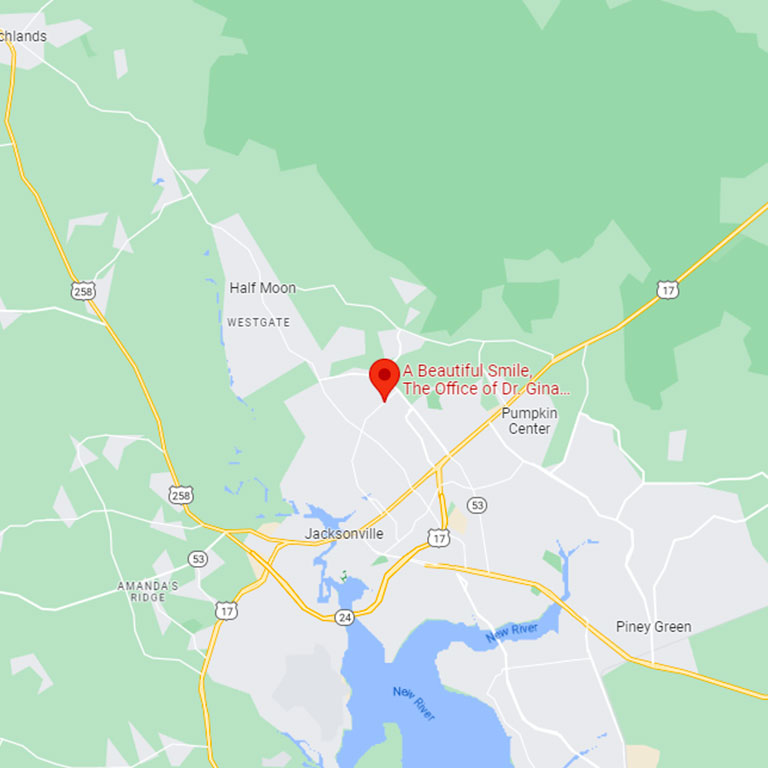
Visit us in Jacksonville, NC
Call: (910) 347-9100 to schedule your consultation.
Frequently Asked Questions
1. Can I get a dental implant 10 years after losing a tooth?
Yes. Many patients receive dental implants years after losing a tooth. A comprehensive evaluation will determine whether your jawbone can support an implant or if additional treatment is recommended.
2. Is bone grafting always required if I’ve waited a long time?
No. While some patients benefit from bone grafting, others still have enough healthy bone for implant placement. Your dentist will evaluate your individual situation before recommending treatment.
3. How do I know if I’m a candidate for a dental implant?
Your dentist will assess your jawbone, gums, overall oral health, and medical history using a clinical examination and digital imaging.
4. Is replacing one missing tooth really necessary?
Replacing a missing tooth can help maintain proper bite alignment, support jawbone health, and reduce the risk of neighboring teeth shifting into the empty space.
5. How long can a dental implant last?
With good oral hygiene, regular dental checkups, and proper maintenance, dental implants can provide a durable, long-term solution for replacing missing teeth.


 Find Us on Google Maps
 Find Us on Apple Maps