

When Should a Child Have Their First Dental Visit? 7 Helpful Facts for Parents
When should a child have their first dental visit? Dental organizations generally recommend scheduling the first visit when the first tooth appears or by the child’s first birthday, whichever comes first. Starting early gives parents an opportunity to learn about proper oral care and allows the dentist to monitor the child’s dental development.
For families seeking family dentistry Jacksonville, an early dental visit can help establish healthy habits and make future appointments feel familiar. The purpose of the first visit is not only to look for dental concerns. It is also an opportunity for parents to ask questions about brushing, fluoride, feeding habits, teething, and cavity prevention.
When Should a Child Have Their First Dental Visit?
A child should generally visit the dentist when the first tooth appears or by age 1. This recommendation applies to children everywhere and is not limited to one city or community.
Baby teeth are important because they help children chew, speak, and maintain space for permanent teeth. Early dental visits allow a dentist to evaluate oral development and discuss ways to protect teeth as they emerge.
The first appointment also helps parents establish a dental home—a familiar place where the child can receive ongoing preventive care and where the dental team can monitor changes over time.
Why Should a Child Visit the Dentist So Early?
Some parents assume that dental visits can wait until all baby teeth have appeared. However, cavities can develop in young children, sometimes soon after the first teeth erupt.
An early appointment may help with:
- Checking how the teeth and jaws are developing
- Looking for early signs of tooth decay
- Evaluating the gums and oral tissues
- Discussing proper brushing techniques
- Reviewing fluoride needs
- Talking about feeding and drinking habits
- Discussing pacifier use or thumb-sucking
- Identifying potential concerns early
The dentist may also discuss ways to reduce the risk of early childhood cavities. Parents can ask questions about bottle use, nighttime feeding, snacks, and how to clean a baby’s teeth.
What Happens During a Child’s First Dental Visit?
The first visit is usually designed to be simple, gentle, and age-appropriate. The dental team may spend time helping the child become comfortable with the office, chair, and dental equipment.
Depending on the child’s age and comfort level, the appointment may include:
- Reviewing the child’s medical and dental history
- Looking at the teeth and gums
- Checking the bite and jaw development
- Evaluating how teeth are erupting
- Looking for signs of cavities or developmental concerns
- Discussing daily oral hygiene
- Providing guidance about diet and fluoride
- Answering parents’ questions
Young children may sit on a parent’s lap during the examination. The goal is often to create a positive introduction rather than complete an extensive procedure.
The practice’s family dentistry page explains that its care is designed for patients of different ages and includes a child-friendly environment intended to help younger patients feel more comfortable.
How Long Does a Child’s First Dental Visit Take?
A child’s first dental visit may take about 30 to 45 minutes, although the length varies based on the child’s age, comfort level, and dental needs.
The examination itself may be brief. Additional time may be used to help the child feel comfortable and to discuss oral care with the parent or caregiver.
The appointment may take longer if the dentist identifies a concern that needs further evaluation or if the child needs extra time to adjust to the new environment.
When Should a Child Have Their First Dental Visit If No Teeth Are Visible?
If a child has not developed a visible tooth by their first birthday, parents can still schedule a dental visit. The dentist can examine the gums and jaw development and answer questions about delayed tooth eruption.
Children develop at different rates. A later eruption does not always indicate a problem, but an examination can provide guidance based on the child’s individual development.
How Can Parents Prepare a Child for the First Visit?
A little preparation can help make the appointment feel less unfamiliar.
Parents may find these steps helpful:
- Use simple and positive language.
- Explain that the dentist will count and look at the teeth.
- Read a child-friendly book about visiting the dentist.
- Practice a dental checkup with a favorite toy.
- Avoid describing the appointment as painful or frightening.
- Schedule the visit at a time when the child is usually well-rested.
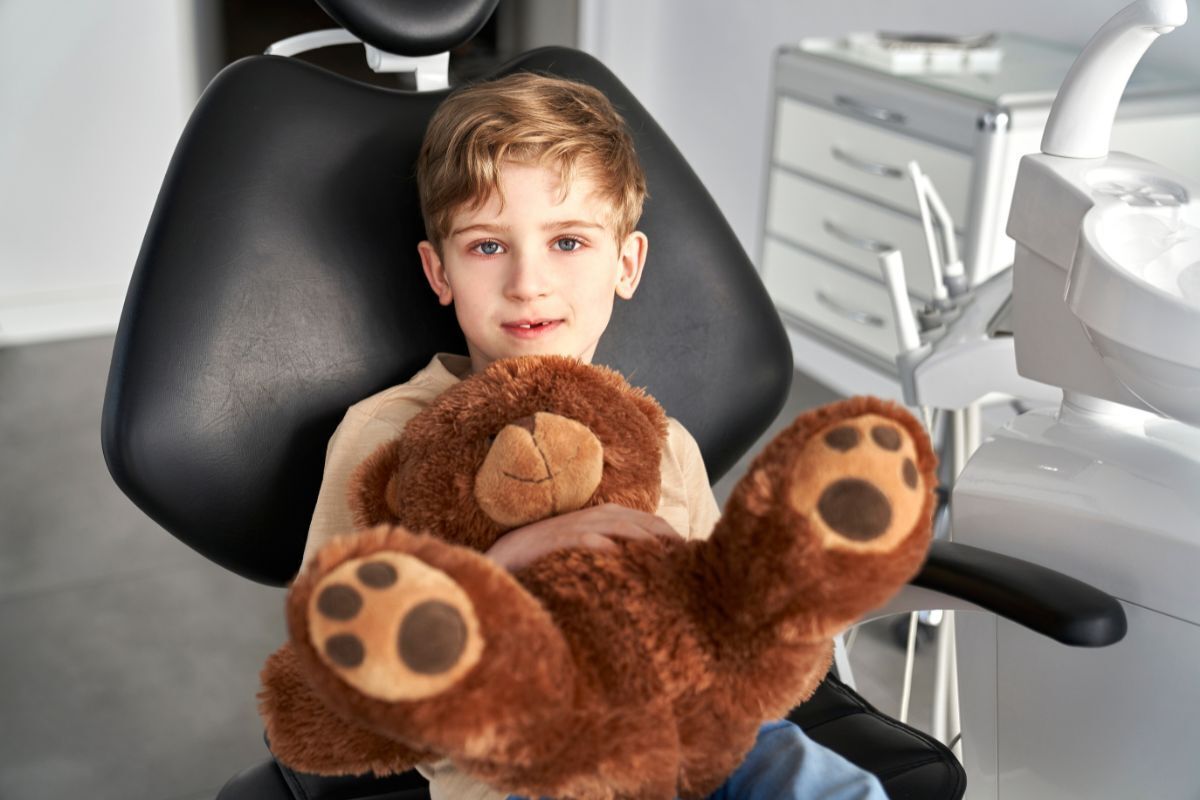
- Bring a comfort item if the dental office allows it.
Try not to promise that nothing unusual will happen. Instead, use calm language and allow the dental team to explain each step in a child-friendly way.
What If My Child Is Nervous About the Dentist?
Nervousness is common, especially when a child is visiting a dental office for the first time. A child may be unsure about the new surroundings, unfamiliar sounds, or sitting in a dental chair.
Parents can help by remaining calm and encouraging. The dental team may use age-appropriate communication and introduce tools gradually.
Some children are comfortable immediately, while others need more than one visit to become familiar with the environment. A positive and patient approach can help build confidence over time.
How Often Should Children Visit the Dentist?
Many children benefit from dental checkups about every six months, but the recommended schedule depends on the child’s oral health and risk of tooth decay.
Some children may need more frequent visits. The dentist may recommend a personalized schedule based on factors such as:
- Previous cavities
- Oral hygiene habits
- Fluoride exposure
- Diet
- Tooth development
- Gum health
- Overall cavity risk
Regular visits allow the dental team to monitor changes and provide preventive guidance as the child grows.
What Should Parents Ask During the First Visit?
The first appointment is a good time to ask questions about your child’s daily oral care.
Consider asking:
- How should I clean my child’s teeth?
- How much toothpaste should I use?
- Does my child need fluoride?
- Are my child’s teeth developing normally?
- How can I reduce the risk of cavities?
- Is thumb-sucking affecting dental development?
- When should my child stop using a pacifier?
- When should the next appointment be scheduled?
Parents should also tell the dentist about any concerns involving feeding, teething, mouth injuries, tooth discoloration, or changes in eating habits.
When Should Parents Schedule an Earlier Dental Appointment?
Parents should not wait for a routine visit if a child has a dental concern.
Contact a dental office if your child has:
- Tooth pain
- A chipped, cracked, or broken tooth
- A loose tooth caused by an injury
- Swelling in the gums or face
- A dark or discolored tooth after an accident
- A visible hole or unusual spot on a tooth
- Bleeding that does not stop
- Difficulty eating because of dental discomfort
Early evaluation can help identify the cause and determine whether treatment is needed.
How Do I Find a Dentist in Jacksonville, NC, for My Child?
If you are searching for a dentist Jacksonville NC, look for a practice that provides preventive care for children and communicates clearly with both parents and young patients.
A family dental office may make scheduling easier because children, teens, and adults can receive care in the same practice. The practice should also provide clear guidance about first visits, oral hygiene, preventive care, and follow-up appointments.
For more information about family dentistry, parents can review the available services and learn what to expect when scheduling care for a child.
Start Building Healthy Dental Habits Early
So, when should a child have their first dental visit? The first appointment is generally recommended when the first tooth appears or by the child’s first birthday. Early visits allow parents to receive guidance, help children become familiar with dental care, and support healthy oral habits from the beginning.
A Beautiful Smile, The Office of Dr. Gina Mancini provides family-focused dental care for children and adults. The practice is located at 3685 Henderson Dr, Jacksonville, NC 28546. To schedule your child’s first dental visit, call (910) 347-9100.
Frequently Asked Questions
1. Is age 1 too early for a child’s first dental visit?
No. A first dental visit by age 1 can help parents learn how to care for emerging teeth and allow the dentist to monitor oral development. The appointment is usually gentle and focused on prevention.
2. What if my child does not have any teeth by age 1?
You can still schedule a dental visit. The dentist can examine the gums and jaw development and discuss whether the child’s tooth eruption appears to be progressing normally.
3. Does my child need a dental cleaning during the first visit?
Not always. The visit may focus on an examination, oral hygiene guidance, and helping the child become comfortable. The dentist will recommend any cleaning or preventive care based on the child’s needs.
4. Should I take my child to a family dentist or a pediatric dentist?
Both may provide appropriate care, depending on the practice and the child’s needs. A family dentist can provide care for multiple members of the household, while a pediatric dentist has additional training focused on children’s dental development and behavior.
5. What should I bring to my child’s first dental appointment?
Bring your child’s medical information, insurance details if applicable, a list of medications, and any questions you want to discuss. A favorite comfort item may also help some children feel more relaxed.
 Find Us on Google Maps
 Find Us on Apple Maps