
Signs of Gum Disease: 7 Warning Signs You Shouldn’t Ignore
Signs of gum disease often show up quietly, long before a tooth ever hurts. Bleeding while you brush, gums that look a little redder than usual, or breath that doesn’t improve no matter how often you brush can all point to an early stage of gum disease called gingivitis. For patients searching for periodontal therapy in Jacksonville, knowing what to watch for can make the difference between a simple cleaning and a much more involved treatment plan later on.
Gum disease is common, and it rarely announces itself with pain right away. That’s exactly why so many people don’t realize anything is wrong until a dentist points it out during a routine exam.
What Is Gum Disease?
Gum disease is an infection of the tissue surrounding your teeth, caused by plaque buildup along the gumline. It begins as gingivitis, a mild and reversible form of inflammation, and can progress to periodontitis, a more serious condition that affects the bone supporting your teeth. Left untreated, it’s a leading cause of tooth loss in adults.
Signs of Gum Disease You Might Notice at Home
Many of the earliest signs of gum disease are easy to dismiss because they don’t hurt. Paying attention to small changes in your mouth can help you catch the problem while it’s still simple to treat.
Watch for these seven warning signs:
- Gums that bleed during brushing or flossing
- Redness or puffiness along the gumline
- Gums that feel tender to the touch
- Breath that stays unpleasant even after brushing
- Gums that appear to be pulling away from the teeth
- Teeth that feel slightly loose or shifted
- A change in how your bite fits together
If you notice even one of these consistently, it’s worth mentioning at your next dental visit rather than waiting for it to go away on its own.

Bleeding Gums Are Often the First Clue
Healthy gums don’t bleed during normal brushing or flossing. If you’re regularly seeing pink in the sink, that’s usually inflammation caused by plaque sitting along the gumline for too long. It’s one of the most common early signs of gum disease and also one of the easiest to catch, since most people notice it right away.
Is Gum Disease Painful?
Gum disease is usually not painful in its early stages. Gingivitis typically causes bleeding, redness, and mild swelling without significant discomfort. Pain tends to develop later, once the condition progresses to periodontitis and begins affecting the bone and deeper tissue that support your teeth.
How Long Does Gum Disease Take to Develop?
Gingivitis can develop within days of plaque being left on the teeth, while periodontitis usually takes months or years of untreated inflammation to progress. The timeline varies from person to person based on oral hygiene habits, genetics, and other health factors like smoking or diabetes.
What Causes Gum Disease?
Gum disease starts with plaque, a sticky film of bacteria that forms on your teeth every day. When it isn’t removed consistently, it hardens into tartar, which brushing alone can’t get rid of.
Several factors can increase your risk, including:
- Inconsistent brushing or flossing
- Smoking or tobacco use
- Hormonal changes, including pregnancy
- Certain medications that reduce saliva flow
- Diabetes or other conditions affecting immune response
- A family history of gum disease
Understanding your personal risk factors can help you and your dental team decide how often you should be seen for cleanings.
Can Gum Disease Be Reversed?
Gingivitis, the earliest stage of gum disease, can often be reversed with improved oral hygiene and a professional cleaning. Once the condition advances to periodontitis, the damage to bone and gum tissue is no longer reversible, though further progression can be slowed or stopped with treatment.
This is one of the biggest reasons early detection matters. Catching gum disease while it’s still gingivitis means a simple cleaning and a better home care routine may be all that’s needed.
How Is Gum Disease Treated?
Treatment depends on how far the condition has progressed.
Common approaches include:
- A professional cleaning to remove plaque and tartar
- Scaling and root planing for deeper cleaning below the gumline
- Improved daily brushing and flossing habits
- More frequent dental visits to monitor gum health
- In advanced cases, referral for more specialized care
Patients dealing with ongoing bleeding, gum recession, or loose teeth often benefit from periodontal gum therapy, which is designed to treat inflammation below the gumline and help stabilize the supporting tissue around your teeth.
How Do I Know If I Have Gum Disease?
The clearest way to know is a dental exam. A dentist checks for bleeding, measures the depth of the space between your teeth and gums, and reviews X-rays to look for bone changes that aren’t visible to the eye. If you’re noticing bleeding, swelling, or persistent bad breath at home, that’s a reasonable signal to schedule a check-up rather than wait.
Should I Wait to See a Dentist If My Gums Bleed Occasionally?
Occasional bleeding after aggressive brushing isn’t necessarily a concern, but bleeding that happens regularly, even with gentle brushing, is worth having evaluated. Waiting allows inflammation to continue building, which can make treatment more involved later.
When Should You See a Dentist in Jacksonville, NC?
Residents throughout Jacksonville and nearby communities shouldn’t wait for pain before scheduling an exam. Gum disease is far easier to manage in its early stages, and routine visits every six months give your dental team the chance to catch changes before they become bigger problems. If you already have swollen or bleeding gums, it’s worth being seen sooner rather than later.
According to the American Dental Association, maintaining consistent oral hygiene and attending regular dental visits are among the most effective ways to prevent gum disease from progressing.
Protect Your Gums Before Small Problems Grow
Recognizing the signs of gum disease early gives you the best chance of reversing the problem before it affects the bone and tissue supporting your teeth. Bleeding gums, persistent bad breath, and tenderness are worth mentioning at your next appointment, even if nothing feels urgent yet.
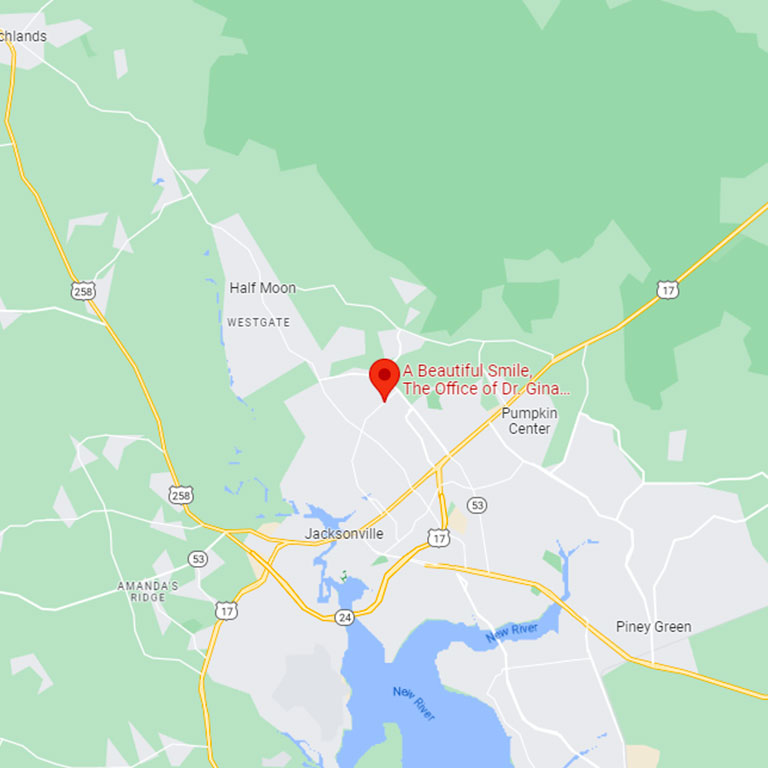
A Beautiful Smile, The Office of Dr. Gina Mancini provides family-focused dental care for patients throughout Jacksonville, NC. The practice is located at 3685 Henderson Dr, Jacksonville, NC 28546. To schedule an evaluation for gum health, call (910) 347-9100.
Frequently Asked Questions
- What is the very first sign of gum disease?
Bleeding gums during brushing or flossing is usually the earliest and most noticeable sign. It often appears before any pain or visible swelling develops.
- Can bad breath alone mean I have gum disease?
Persistent bad breath that doesn’t improve with brushing can be linked to gum disease, since bacteria along the gumline release odor-causing compounds. It’s worth having evaluated if mouthwash and brushing aren’t helping.
- Is gum disease contagious?
The bacteria associated with gum disease can potentially be shared through close contact, such as kissing or sharing utensils, though good oral hygiene significantly reduces this risk.
- Does gum disease affect only older adults?
No. While risk increases with age, gum disease can affect teenagers and younger adults too, especially with inconsistent oral hygiene or certain health conditions.
- How often should I get a cleaning if I have a history of gum disease?
Many patients with a history of gum disease benefit from cleanings every three to four months instead of the standard six-month schedule, depending on how their gums respond to treatment.
 Find Us on Google Maps
 Find Us on Apple Maps