
Severe Toothache? What to Do Before You Reach an Emergency Dentist in Jacksonville
A severe toothache has a way of disrupting everything. It can make it difficult to eat, sleep, focus at work, or enjoy time with family. While some tooth discomfort may come and go, intense dental pain often signals an underlying problem that requires prompt attention.
Many people search online for answers when a toothache suddenly worsens, especially after hours or on weekends. Understanding what may be causing the pain and knowing how to respond can help protect your oral health until you can receive professional care.
If you are experiencing significant dental pain, a trusted dentist in Jacksonville can evaluate the source of the problem and recommend the appropriate treatment before complications develop.
Why Does a Severe Toothache Happen?
A toothache is not a condition itself. It is a symptom that something is affecting the tooth, gums, or surrounding tissues.
Some of the most common causes include:
- Deep tooth decay
- Dental abscesses
- Cracked or fractured teeth
- Advanced gum disease
- Exposed tooth roots
- Damaged fillings or crowns
- Impacted wisdom teeth
- Dental trauma from sports or accidents
Pain can range from a dull ache to sharp, throbbing discomfort. In some cases, it may spread to the jaw, ear, neck, or surrounding facial areas.
Because different dental conditions can produce similar symptoms, professional evaluation is essential to identify the exact cause.
Understanding When a Toothache Becomes a Dental Emergency
Not every toothache requires the same-day treatment, but some symptoms should never be ignored. Seek immediate dental care if you experience:
Severe, Persistent Pain
Pain that lasts for several hours or continues worsening often indicates an infection or nerve involvement.
Facial Swelling
Swelling around the jaw, gums, cheeks, or face may signal a dental abscess. Dental infections can spread quickly and become serious if left untreated.
Fever Alongside Dental Pain
A fever combined with a toothache can indicate an active infection requiring urgent treatment.
Difficulty Swallowing or Breathing
This is a medical emergency that demands urgent attention. Significant swelling can affect the airway and should never be ignored.
Pus or Bad-Tasting Drainage
These are common signs of an abscessed tooth and often indicate an infection beneath the gums.
When these symptoms occur, contacting an emergency dentist in Jacksonville as soon as possible can help prevent more extensive treatment later.
What Should You Do Immediately After a Severe Toothache Starts?
While waiting to see a dental professional, there are several steps you can take to manage discomfort safely.
Rinse With Warm Salt Water
A mild saltwater rinse can help decrease bacteria and calm irritated tissues.
Mix:
- ½ teaspoon of salt
- 8 ounces of warm water
Swish gently and spit out the solution.
Floss Carefully
Food particles trapped between teeth can sometimes trigger pain or increase pressure around an inflamed area.
Use floss gently without forcing it between sensitive teeth.
Apply a Cold Compress
If swelling is present, place a cold compress against the outside of the cheek for 15 to 20 minutes at a time.
This may help reduce inflammation and provide temporary relief.

Use Over-the-Counter Pain Relief
Non-prescription pain medications may help reduce discomfort when used according to package directions.
Always follow the manufacturer’s instructions and consult your physician if you have medical conditions or take other medications.
What Should You Avoid During a Dental Emergency?
Certain actions can make the situation worse.
Avoid:
- Applying aspirin directly to the gums
- Poking the affected tooth with sharp objects.
- Ignoring swelling or fever
- Consuming extremely hot or cold foods
- Biting on the area of the mouth that is painful
- Delaying treatment when symptoms continue worsening
Many serious dental infections begin with symptoms that seem manageable at first. Early intervention by a proficient emergency dentist in Jacksonville typically leads to more straightforward, predictable treatment paths.
Could a Toothache Mean You Need a Root Canal?
One of the most common concerns patients have during a dental emergency is whether they may need root canal treatment.
A root canal may be recommended when the pulp inside the tooth becomes infected or inflamed.
Possible signs include:
- Severe lingering pain
- Sensitivity that lasts after eating or drinking
- Swollen gums near the tooth
- Darkening of the tooth
- Pain when biting down
- A recurring pimple-like bump on the gums
Modern root canal therapy is designed to remove infection while preserving the natural tooth whenever possible.
An examination and dental imaging can determine whether root canal treatment is necessary.
Can a Toothache Go Away on Its Own?
Sometimes pain may temporarily decrease, but that does not necessarily mean the problem has resolved.
In fact, a sudden decrease in pain can sometimes mean that the nerve within the tooth has died. While the discomfort may lessen, infection can continue spreading beneath the surface.
Common dental problems rarely heal without professional treatment.
Waiting too long may increase the likelihood of needing more extensive procedures, including extractions or more complex restorative care.
How Jacksonville Residents Can Reduce Their Risk of Dental Emergencies
Although some emergencies occur unexpectedly, many can be prevented through routine dental visits to a reliable dentist in Jacksonville and healthy habits.
Consider the following preventive measures:
Maintain Regular Dental Visits
Routine examinations help identify cavities, cracked teeth, and gum disease before they become painful emergencies.
Wear a Mouthguard for Sports
Athletes participating in contact sports should use a properly fitted mouthguard to help protect teeth from injury.
Address Small Problems Early
Minor cavities and damaged fillings are often easier and less costly to treat before they become emergencies.
Practice Good Oral Hygiene
Daily brushing and flossing help reduce the risk of decay and infection.
Avoid Using Teeth as Tools
Opening packages or biting hard objects can lead to fractures and dental trauma.
For families throughout Jacksonville and nearby communities such as Richlands, Half Moon, Piney Green, and Hubert, preventive dental care remains one of the best ways to avoid unexpected dental pain.
What Happens During an Emergency Dental Visit?
Many patients feel anxious when they need urgent dental treatment because they are unsure what to expect.
During an emergency appointment, the dental team typically will:
- Review your symptoms and medical history
- Examine the affected area
- Take the necessary dental images
- Diagnose the underlying cause
- Discuss treatment options
- Provide pain relief and appropriate care
The goal is not only to relieve discomfort but also to address the source of the problem to prevent future complications.
Don’t Ignore a Severe Toothache
A severe toothache is your body’s way of signaling that something needs attention. Whether the cause is decay, infection, trauma, or another dental condition, early treatment can help protect your oral health and prevent more serious complications.
At A Beautiful Smile, The Office of Dr. Gina Mancini, patients receive compassionate care when unexpected dental problems arise. If you are experiencing persistent dental pain, swelling, or other urgent symptoms, our trusted dentist in Jacksonville can help determine the cause and provide timely treatment. When immediate attention is needed, contact us to restore comfort and protect your smile. Call +1 (910) 347-9100 to schedule an appointment us.
Frequently Asked Questions
How do I know if my toothache is serious?
If pain is severe, persistent, accompanied by swelling, fever, or difficulty chewing, it should be evaluated by a dental professional as soon as possible.
Can a dental abscess go away without treatment?
No. Dental abscesses typically require professional care. Left untreated, the infection can spread to other areas of the body.
Should I go to the emergency room for a toothache?
Most toothaches are best treated by a dentist. However, difficulty breathing, severe swelling, or signs of a spreading infection may require emergency medical attention.
How quickly should I see a dentist for severe tooth pain?
You should contact a dental office as soon as possible. Early treatment often prevents complications and reduces the need for more extensive procedures.
What is the most common cause of emergency dental visits?
Severe toothaches caused by decay, infection, cracked teeth, and dental trauma are among the most common reasons patients seek emergency dental care.
Can an emergency dentist save a damaged tooth?
In many cases, yes. Prompt treatment can often preserve a natural tooth through procedures such as fillings, crowns, or root canal therapy.
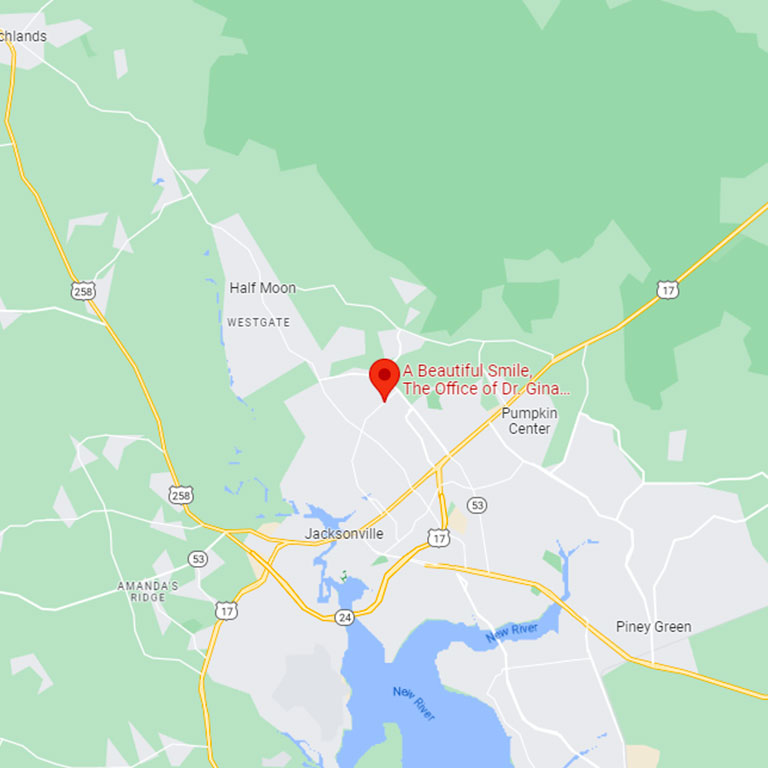
 Find Us on Google Maps
 Find Us on Apple Maps