
What Dental Problems Can Invisalign Correct?
Crooked teeth can affect more than appearance. Crowding, spaces, and certain bite problems may make cleaning or chewing difficult. For people in Jacksonville, NC, learning what clear aligners can address is a useful first step.
At A Beautiful Smile, The Office of Dr. Gina Mancini, Dr. C Mancini evaluates the teeth, gums, bite, and treatment goals before recommending an orthodontic plan. Patients considering Invisalign in Jacksonville receive an individual assessment because two smiles that look similar may require different types of tooth movement.
Which Problems May Clear Aligners Treat?
Invisalign uses a planned series of removable trays to apply controlled pressure to selected teeth. Depending on the condition and its severity, treatment may address:
- Crowded or overlapping teeth
- Gaps between teeth
- Mild to moderate overbite
- Some underbites and crossbites
- Open bite in selected cases
- Teeth that shifted after earlier orthodontic care
- Minor rotations or uneven tooth positions
A clinical examination and diagnostic records are necessary to determine whether these movements are predictable for a particular patient.
Crowded and Overlapping Teeth
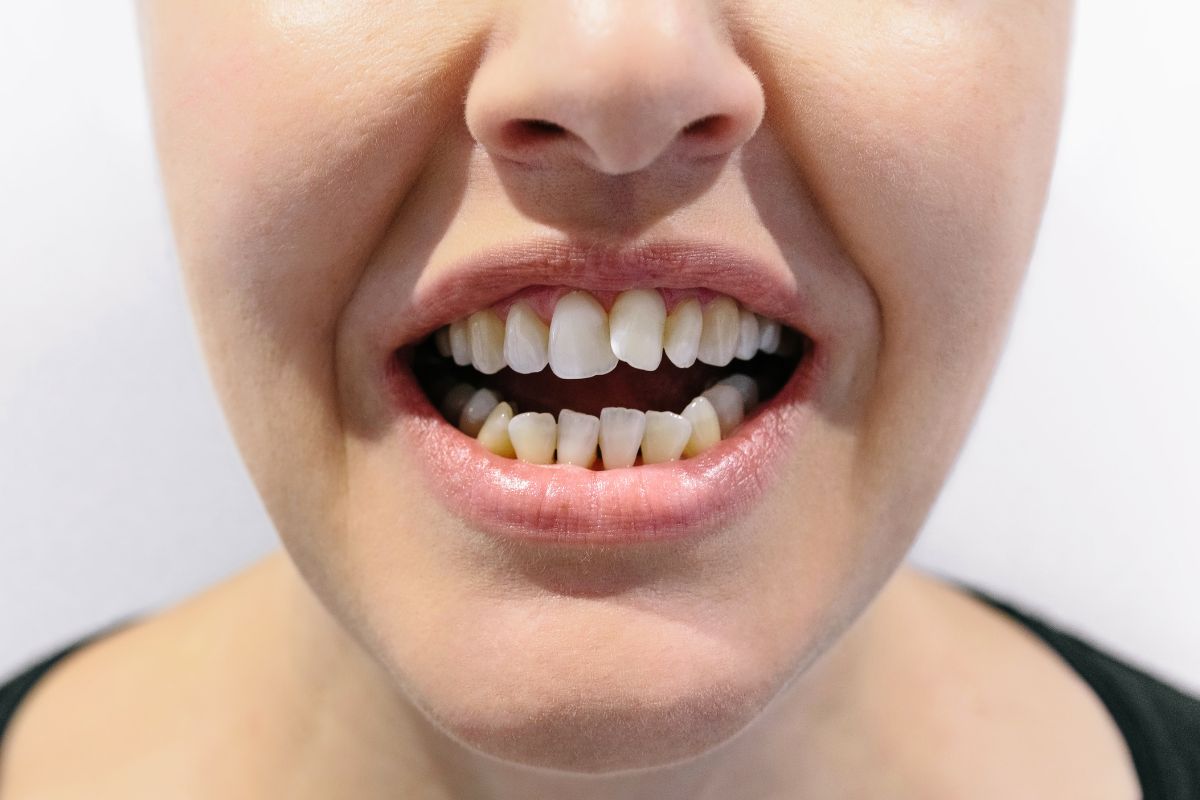
Dental crowding occurs when there is not enough room for the teeth to line up normally. Teeth may rotate or overlap, creating areas that are harder to clean.
Invisalign may create space through sequenced movement. The plan may include tooth-colored attachments or conservative reshaping between certain teeth. Crowding, roots, gums, and available bone influence the recommendation.
Gaps and Spacing Between Teeth
Spaces can result from small or missing teeth, size differences, or oral habits. Aligners may bring selected teeth closer together, but the cause must be identified to support stability.
If you are unsure whether spacing or crowding is the greater concern, read “Am I a Candidate for Clear Aligners?“ to learn about the health and lifestyle factors considered before treatment.
Bite Problems That May Respond to Treatment
A bite describes how the upper and lower teeth meet. Invisalign may help selected cases involving:
Overbite
An overbite occurs when the upper front teeth overlap the lower front teeth more than expected. Some cases can be improved by changing tooth positions and coordinating the arches.
Underbite
With an underbite, the lower front teeth sit ahead of the upper front teeth. Tooth-related underbites may respond to aligners, whereas larger jaw-related differences may require a different approach or additional care.
Crossbite
A crossbite means one or more upper teeth bite inside the lower teeth. Whether trays are appropriate depends on which teeth are involved and whether the cause is dental or skeletal.
Open Bite
In an open bite, some upper and lower teeth do not touch when the mouth closes. Selected cases may improve through planned vertical tooth movement and management of contributing habits.
What Aligners Cannot Determine From Appearance Alone
A photograph cannot show roots, bone support, decay, gum disease, or the full jaw relationship. Planning may include an examination, scan, photographs, and X-rays when indicated.
Patients can visit our dental office to determine whether their concern is primarily dental, involves jaw growth, or requires restorative care first. This distinction supports safer planning and a more stable bite.
When Traditional Braces May Be Considered
Clear trays are versatile, but not right for every movement. Significant jaw discrepancies, certain impacted teeth, or severe rotations may favor fixed appliances or coordinated care. Compare the options in Invisalign vs. Traditional Braces.
What Makes Treatment Successful?
This orthodontic appliance is only one part of the process. Success also depends on an accurate diagnosis and consistent habits. Patients generally need to:
- Wear trays for the prescribed daily hours
- Change sets only as directed
- Remove them for meals and most drinks
- Brush and floss before reinserting them
- Attend progress checks
- Wear retainers after active movement ends
Complexity and cooperation also affect the schedule.
Start With a Complete Smile Evaluation in Jacksonville
Invisalign can correct many alignment and bite concerns, but suitability cannot be confirmed by symptoms or a photo alone. An evaluation identifies the cause and clarifies which option offers appropriate control. To discuss your smile goals and next steps, book an appointment at our Jacksonville dental office.
Frequently Asked Questions
Can clear aligners fix severely crooked teeth?
Some complex crowding can be treated with trays, attachments, or additional planning. Severity alone does not determine eligibility. A clinician must assess root support, bone support, bite relationships, and the required movements before recommending an appliance.
Can aligners close every type of tooth gap?
Many spaces respond to controlled tooth movement. Gaps caused by missing teeth, gum disease, an abnormal frenum, or tooth-size differences may require additional services or coordinated care to achieve a stable, natural-looking result.
Do clear aligners correct an overbite?
They can improve many tooth-related overbites. The amount of overlap, jaw relationship, age, and required tooth movements affect the plan. An examination is needed to tell whether trays can provide sufficient correction.
Can aligners move a rotated tooth?
Yes, selected rotations can be corrected. Tooth shape and the degree of rotation matter because the tray must grip the tooth effectively. Small attachments may provide additional leverage during planned movement.
Will straightening teeth improve oral health?
Better alignment may make brushing and flossing easier and can improve how teeth meet. It does not replace preventive care, and any decay or gum inflammation should be addressed before or during treatment as directed.
 Find Us on Google Maps
 Find Us on Apple Maps