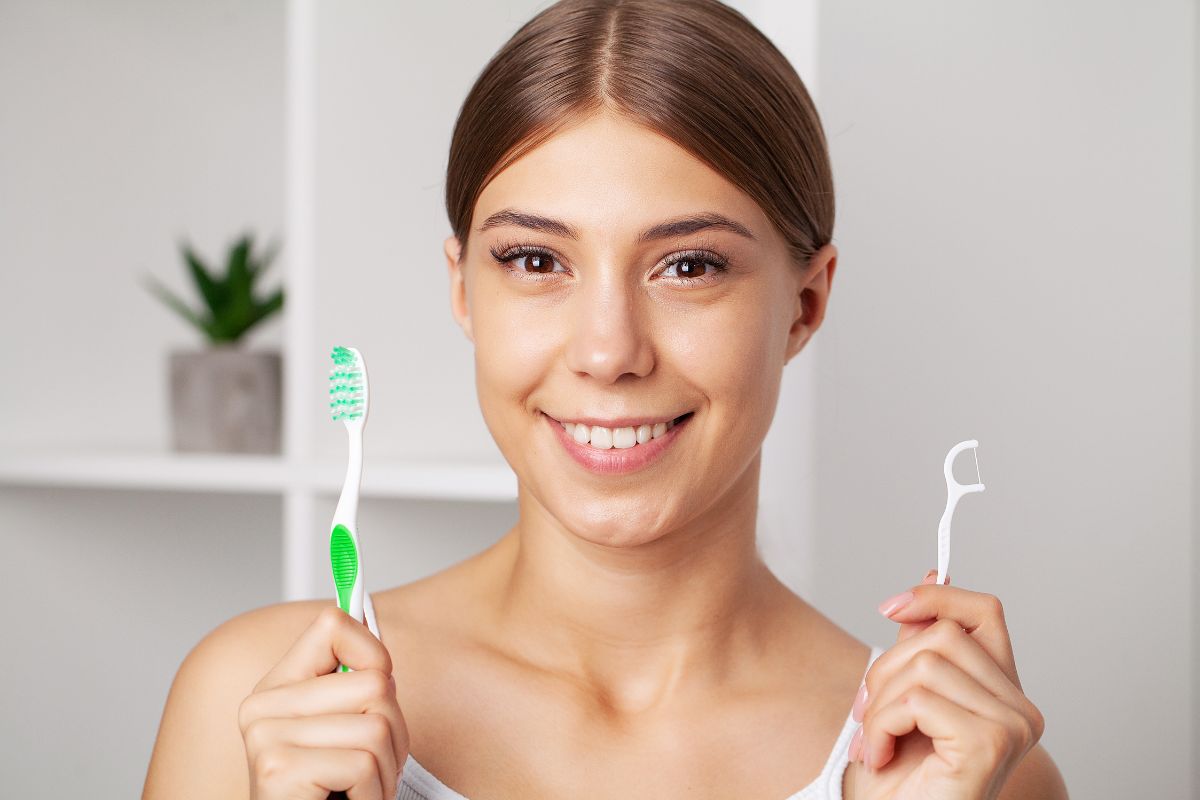

Woman holding clear Invisalign aligners and smiling in a bathroom mirror setting.

Can You Eat and Drink Normally With Invisalign?

If you’re considering Invisalign treatment, one of the most common questions is about food and drinks. Unlike traditional braces, Invisalign offers more flexibility—but that doesn’t mean there are no rules. Understanding how to eat and drink properly during your treatment can help you get the best results while keeping your aligners in great condition.

Eating With Invisalign: What You Need to Know

Eating With Invisalign What You Need to Know

One of the biggest advantages of Invisalign is that the aligners are removable. This means you can continue enjoying your favorite foods without the restrictions that come with metal braces.

Yes, you can eat normally—but only after removing your aligners.

Before every meal or snack, you should take out your aligners. Eating while wearing them can lead to damage, staining, or even warping of the trays.

Why removing aligners is important:

  • Prevents cracks or breakage
  • Avoids food getting trapped between teeth and aligners
  • Keeps aligners clear and stain-free

Once you’re done eating, brush your teeth before putting your aligners back in. This helps maintain oral hygiene and prevents food particles from getting stuck inside.

What About Drinking With Invisalign?

When it comes to drinking, the rules are a bit stricter.

Water is the only drink you can safely consume while wearing your aligners.
Other beverages—especially hot, sugary, or colored drinks—can cause problems.

Here’s why:

  • Hot drinks like coffee or tea can warp the plastic
  • Sugary drinks can get trapped and increase the risk of cavities
  • Colored beverages like soda, wine, or juice can stain your aligners

If you want to enjoy anything besides water, simply remove your aligners, drink your beverage, and rinse your mouth before putting them back in.

Tips to Make Eating Easier During Treatment

Adjusting to Invisalign doesn’t have to be difficult. A few simple habits can make your experience smooth and stress-free:

  • Always carry your aligner case to store them safely while eating
  • Brush and floss after meals whenever possible
  • Rinse your aligners before putting them back in
  • Stick to your recommended wear time (20–22 hours daily)

These small steps can make a big difference in maintaining both your oral health and your treatment progress.

Foods to Be Mindful Of

Even though Invisalign allows you to eat freely, it’s still wise to be cautious with certain foods—especially right after switching to a new set of aligners when your teeth may feel sensitive.

Be careful with:

  • Very hard foods like nuts or hard candies
  • Sticky foods such as caramel or chewing gum
  • Extremely crunchy items that may cause discomfort

While these foods won’t damage your aligners (since you remove them), they can still cause sensitivity or discomfort during your treatment.

Staying on Track With Invisalign

Consistency is key to achieving the best results. Since Invisalign trays are removable, it can be tempting to leave them out longer than necessary—but this can delay your progress.

Make sure you:

  • Wear your aligners for at least 20–22 hours a day
  • Only remove them for eating, drinking (non-water beverages), and cleaning
  • Follow your dentist’s instructions carefully

If you’re searching for invisalign options, choosing the right dental provider can make your journey even smoother and more effective.

The Bottom Line

Invisalign makes it easy to maintain your lifestyle while straightening your teeth. You can enjoy your favorite meals and drinks—as long as you remove your aligners and follow proper care routines.

By staying consistent and mindful, you’ll protect your aligners and keep your treatment on track for faster, more comfortable results.

Ready for a Confident, Straighter Smile in Jacksonville?

If you’re in Jacksonville and considering Invisalign, choosing the right provider can make all the difference in your experience and results. At A Beautiful Smile, The Office of Dr. Gina Mancini, patients receive personalized, expert Invisalign care designed for comfort, convenience, and long-term success.

Whether you’re just starting your journey or need guidance along the way, their friendly team is here to support you every step of the process.

Serving patients throughout Jacksonville and nearby communities
Schedule your consultation today and take the first step toward a straighter, more confident smile

Your perfect smile is closer than you think—start your Invisalign journey today!

FAQs

  1. Can I eat normally while using Invisalign aligners?
    Yes, you can eat all your favorite foods, but only after removing your aligners before meals or snacks. Eating with aligners on can damage them and trap food, leading to hygiene issues.
  2. Can I drink coffee or other beverages with Invisalign on?
    No, you should only drink water while wearing your aligners, as hot or colored drinks can warp or stain them. For other beverages, remove your aligners, drink, and rinse your mouth before putting them back in.
  3. Do I need to brush my teeth after every meal during Invisalign treatment?
    Yes, brushing after eating is highly recommended to prevent food particles from getting trapped under the aligners. This helps maintain oral hygiene and reduces the risk of cavities and bad breath.
  4. What happens if I eat or drink without removing my aligners?
    Eating or drinking with aligners on can cause staining, warping, or even cracks in the trays. It can also increase the risk of plaque buildup and tooth decay.
  5. How can I stay consistent with Invisalign while eating and drinking?
    Carry your aligner case, remove trays only when necessary, and ensure you wear them for 20–22 hours daily. Following these habits helps keep your treatment on schedule and ensures the best results.

Woman experiencing tooth pain at night, holding her cheek in discomfort.

Why Tooth Pain Feels Worse at Night and How to Manage It

Tooth pain has a way of showing up at the worst possible time—especially at night. After a long day in Jacksonville, when you finally lie down to rest, that dull ache can suddenly turn into a throbbing, persistent discomfort. Many people wonder why dental pain seems to intensify after dark, even if it was manageable earlier in the day.

Understanding the reasons behind nighttime tooth pain can help you take the right steps to manage it until you can get professional care.

Why Tooth Pain Gets Worse at Night

There are several reasons why your toothache may feel more intense when you’re trying to sleep:

1. Increased Blood Flow to the Head

When you lie down, your body position changes, allowing more blood to flow toward your head. This increased circulation can put extra pressure on sensitive or inflamed areas in your mouth, making the pain feel stronger.

2. Fewer Distractions

During the day, you’re busy with work, errands, or social activities. These distractions help take your mind off discomfort. At night, when everything is quiet, your brain becomes more aware of pain signals, making the ache seem worse than it actually is.

3. Underlying Dental Issues

Nighttime tooth pain is often a sign of a deeper problem such as:

  • Tooth decay or cavities
  • Gum infection or swelling
  • A cracked or damaged tooth
  • An abscess or infection

These issues don’t disappear at night—they just become more noticeable when your body is at rest.

Common Signs You Shouldn’t Ignore

While occasional mild sensitivity might not be urgent, certain symptoms indicate you should seek help as soon as possible:

  • Persistent throbbing pain that doesn’t go away
  • Swelling in the gums or face
  • Sensitivity to hot or cold that lingers
  • Pain when biting or chewing
  • Fever or a bad taste in the mouth

If you’re experiencing any of these, it may be time to contact an emergency dentist for prompt evaluation and treatment.

How to Manage Tooth Pain at Night

While waiting for your dental appointment, there are several ways to ease discomfort and get some much-needed rest:

Keep Your Head Elevated

Use an extra pillow to keep your head slightly raised. This can help reduce blood pressure in the affected area and minimize throbbing sensations.

Rinse with Warm Salt Water

A simple saltwater rinse can help reduce inflammation and clean the area. Mix half a teaspoon of salt in a glass of warm water and gently swish it around your mouth.

Use a Cold Compress

Applying a cold compress to the outside of your cheek for 15–20 minutes can numb the area and reduce swelling. This is especially helpful if the pain is due to inflammation or injury.

Take Over-the-Counter Pain Relievers

Medications like ibuprofen or acetaminophen can help manage pain temporarily. Always follow the recommended dosage and avoid placing medication directly on the gums, as this can cause irritation.

What to Avoid Before Bed

Certain habits can make nighttime tooth pain worse. Try to avoid:

  • Sugary or acidic foods before sleeping
  • Very hot or cold drinks
  • Chewing on the side where the pain is located
  • Ignoring the pain for too long without seeking help

Being mindful of these triggers can make a noticeable difference in your comfort level.

When to Seek Immediate Dental Care

Not all toothaches can wait until morning. Some situations require urgent attention, including:

  • Severe, unbearable pain
  • Signs of infection such as swelling or fever
  • Bleeding that doesn’t stop
  • Trauma or a knocked-out tooth

In these cases, delaying treatment can lead to more serious complications. Quick action can protect your oral health and prevent the issue from worsening.

Preventing Future Nighttime Tooth Pain

The best way to avoid late-night dental discomfort is through consistent oral care and regular checkups. Here are a few preventive tips:

Brush and Floss regularly

  • Brush your teeth twice daily with fluoride toothpaste
  • Floss regularly to remove plaque buildup
  • Schedule routine dental visits for cleanings and exams
  • Address minor dental issues early before they become severe
  • Wear a mouthguard if you grind your teeth at night

Taking these steps can significantly reduce your chances of experiencing unexpected pain.

Final Thoughts

Tooth pain at night can feel overwhelming, especially when it disrupts your sleep and comfort. While temporary remedies can provide relief, they don’t replace professional care. Understanding why the pain intensifies and how to manage it can help you stay calm and take the right steps. If your discomfort persists or worsens, don’t ignore it. Scheduling a dental appointment promptly can help identify and treat the root cause before it becomes more serious. For personalized care and trusted guidance, you can reach out to A Beautiful Smile, The Office of Dr. Gina Mancini to discuss your symptoms and explore the right treatment options. Taking action early can help you return to pain-free nights and maintain better long-term oral health.


Smiling woman holding clear Invisalign aligner tray during orthodontic treatment.

How Often Do You Need to Visit the Dentist During Invisalign?

Invisalign has become a popular choice for patients who want a straighter smile without the look and feel of traditional braces. While the clear aligners offer convenience and flexibility, regular dental visits remain an essential part of the process. These check-ups ensure your treatment stays on track and delivers the best possible results.

Why Regular Visits Matter During Invisalign Treatment

Unlike traditional braces that require frequent adjustments, Invisalign uses a series of custom-made aligners to gradually shift your teeth into place. Even though the system is more convenient, it still requires professional monitoring to ensure everything is progressing correctly.

Regular visits help prevent delays, identify any issues early, and keep your treatment aligned with your goals.

How Often Should You Visit the Dentist?

Most patients undergoing Invisalign treatment should visit their dentist every 6 to 8 weeks. However, your exact schedule may vary depending on your individual treatment plan and how your teeth are responding.

During these visits, your dentist will:

  • Monitor the movement of your teeth
  • Ensure your aligners are fitting properly
  • Provide your next sets of aligners
  • Make adjustments if needed
  • Address any concerns or discomfort

These appointments are typically quick and easy, making them simple to fit into your routine.

invisalign 1

What Happens During an Invisalign Check-Up?

Progress Evaluation
Your dentist will assess how your teeth are shifting compared to your treatment plan.

Aligner Fit Check
A proper fit ensures that your aligners are working effectively. Adjustments may be made if needed.

New Aligner Sets
You’ll often receive multiple aligners with instructions on when to switch to the next set.

Oral Health Monitoring
Your dentist will check for cavities, gum health, and overall oral hygiene to keep your smile healthy throughout treatment.

Why You Shouldn’t Skip Appointments

Even if your treatment seems to be going smoothly, skipping appointments can slow down your progress. Invisalign relies on precise, step-by-step adjustments, and missing a visit may lead to:

  • Delayed results
  • Improper tooth movement
  • Additional refinements or extended treatment time

Staying consistent with your dental visits ensures a smoother and more predictable outcome.

Tips to Stay on Track Between Visits

  • Wear your aligners for 20–22 hours daily
  • Switch aligners according to your dentist’s instructions
  • Clean your aligners regularly
  • Maintain good oral hygiene
  • Avoid eating or drinking anything other than water while wearing aligners

These habits play a major role in achieving the best results from your Invisalign treatment.

The Importance of Professional Care

While Invisalign offers flexibility, expert supervision is essential for success. Regular dental visits allow your provider to guide your progress, make necessary adjustments, and ensure your smile is developing exactly as planned.

Start Your Invisalign Journey with Confidence

Routine check-ups every 6 to 8 weeks are a key part of successful Invisalign treatment. With consistent care and proper at-home habits, you can achieve a straighter, healthier smile efficiently.

For personalized Invisalign care and expert guidance, schedule your appointment with A Beautiful Smile, The Office of Dr. Gina Mancini in Jacksonville today and stay on track toward the confident smile you deserve.

FAQs

  1. How often do I need to visit the dentist during Invisalign treatment?
    Most patients need to visit every 6 to 8 weeks so the dentist can monitor progress and provide new aligners.
  2. Are Invisalign check-ups shorter than braces appointments?
    Yes, Invisalign visits are usually quicker since there are no wire adjustments—just progress checks and aligner updates.
  3. What happens if I miss an Invisalign appointment?
    Missing a visit can delay your treatment and may affect how your teeth move, so it’s important to stay on schedule.
  4. Do I need dental cleanings during Invisalign treatment?
    Yes, regular cleanings are still important to maintain oral health and prevent issues like cavities or gum disease.
  5. Can my dentist adjust my treatment plan during check-ups?
    Yes, your dentist may make small adjustments based on how your teeth are responding to ensure the best results.


Woman in blue scrubs waves during a teledentistry video call on laptop screen.

Busy Schedule? How Teledentistry Is Changing Dental Care in Jacksonville

In today’s fast-paced world, finding time for dental appointments can be challenging. Between work commitments, family responsibilities, and daily errands, many people delay or skip dental visits altogether. Fortunately, modern technology is transforming the way patients access care. Teledentistry is making dental consultations more convenient, efficient, and accessible than ever before.

Teledentistry allows patients to connect with a dentist remotely using digital tools, eliminating the need for an in-office visit for certain concerns. Whether you need a quick consultation, follow-up care, or professional advice, teledentistry provides a flexible solution that fits into even the busiest schedules.

What Is Teledentistry?

Teledentistry is a branch of digital healthcare that uses video calls, messaging platforms, and digital imaging to provide remote dental consultations. It allows dentists to evaluate symptoms, review patient concerns, and recommend treatment plans without requiring an immediate in-person visit.

Patients can use teledentistry for:

  • Initial consultations and dental advice
  • Post-treatment follow-ups
  • Evaluating dental pain or discomfort
  • Reviewing oral health concerns
  • Determining whether in-office care is necessary

This modern approach helps streamline dental care while saving valuable time.

Why Teledentistry Is Perfect for Busy Lifestyles

One of the biggest advantages of teledentistry is convenience. Instead of taking time off work or rearranging your schedule, you can connect with a dentist from the comfort of your home or office.

Benefits for busy patients include:

  • Flexible scheduling options
  • No travel or waiting room time
  • Faster access to professional advice
  • Reduced need for multiple office visits
  • Improved continuity of care

Teledentistry makes it easier for patients to stay on top of their oral health without disrupting their daily routines.

When Teledentistry Is Most Useful

While not all dental procedures can be performed remotely, teledentistry is highly effective for many situations. It serves as a valuable first step in identifying dental issues and guiding next steps.

Common uses of teledentistry include:

  • Tooth pain or sensitivity assessment
  • Gum irritation or swelling evaluation
  • Broken or chipped tooth consultations
  • Orthodontic check-ins
  • Post-procedure recovery monitoring

For patients, teledentistry provides quick answers and peace of mind when dental concerns arise unexpectedly.

How Teledentistry Improves Access to Care

Teledentistry is especially beneficial for individuals who may face barriers to traditional dental care. Patients with limited mobility, transportation challenges, or demanding schedules can now receive expert guidance without leaving home.

Teledentistry helps:

  • Increase access to dental care for working professionals
  • Support parents with busy family schedules
  • Provide care for elderly patients with mobility concerns
  • Offer quick consultations for minor dental issues

This accessibility encourages more patients to seek timely care, reducing the risk of serious dental problems.

Combining Teledentistry with In-Office Visits

Teledentistry is not a replacement for in-office dental care but rather a complement to it. Many dental practices use a hybrid approach, combining virtual consultations with traditional visits when necessary.

For example:

  • A virtual consultation can determine if an in-office procedure is needed
  • Follow-up visits after treatment can often be done remotely
  • Routine questions or concerns can be addressed without scheduling a full appointment

This combination improves efficiency and ensures patients receive the right care at the right time.

Is Teledentistry Safe and Effective?

Teledentistry is a safe and reliable way to receive professional dental advice. Dentists use secure communication platforms and follow established healthcare guidelines to protect patient privacy.

While a hands-on examination is sometimes required, teledentistry allows dentists to gather valuable information, assess symptoms, and provide accurate recommendations for next steps.

The Future of Dental Care in Jacksonville

As technology continues to evolve, teledentistry is becoming an essential part of modern dental care. Patients are increasingly looking for flexible, convenient options that fit their lifestyles, and teledentistry meets that demand.

Dental practices are embracing digital solutions to improve patient experience, reduce wait times, and enhance overall care delivery.

Tips for Making the Most of Your Teledentistry Appointment

To ensure a productive virtual visit, patients should:

  • Have a stable internet connection
  • Take clear photos of the affected area if needed
  • Prepare a list of symptoms or concerns
  • Be ready to discuss medical and dental history

These simple steps help dentists provide accurate and effective guidance during your consultation.

Final Thoughts

Teledentistry is revolutionizing the way patients access dental care. For those with busy schedules, it offers a convenient, efficient, and reliable way to stay on top of oral health without disrupting daily life.

By combining modern technology with expert dental care, teledentistry makes it easier than ever to prioritize your smile. Whether you need quick advice or follow-up care, virtual dental visits are helping patients achieve healthier smiles with greater convenience.

If you’re ready to simplify your dental care routine, schedule a virtual consultation with A Beautiful Smile, The Office of Dr. Gina Mancini in Jacksonville NC. Their team is committed to providing convenient, patient-focused care—helping you maintain a healthy, confident smile no matter how busy your schedule may be.


Happy multi-generational family smiling together outdoors on a clear day.

What Happens During a Family Dental Checkup? A Step-by-Step Guide

If you’re looking for a trusted and experienced family dentist in Jacksonville, knowing what to expect during a routine dental visit can make the experience much more comfortable for everyone in your household. At A Beautiful Smile, The Office of Dr. Gina Mancini, families across Jacksonville receive comprehensive dental care designed to keep smiles healthy at every stage of life. Regular checkups not only help maintain clean teeth but also allow dentists to detect small concerns before they become bigger problems.

Whether you’re scheduling a visit for yourself, your partner, or your children, understanding the process can help you feel more prepared. Here’s a step-by-step guide to what typically happens during a family dental checkup.

Step 1: Check-In and Medical History Review

Your visit usually begins at the front desk, where the dental team confirms your appointment and reviews important details. New patients are often asked to complete forms about their medical history, medications, allergies, and previous dental treatments.

For returning patients, the team may simply ask if there have been any recent health changes. This information helps the dentist provide safe and personalized care, as certain medical conditions and medications can influence oral health or treatment options.

Step 2: Initial Oral Examination

After check-in, a dental hygienist or dentist will bring you to the treatment room for an initial oral exam. This step allows the dental professional to evaluate the overall condition of your teeth and gums.

During the exam, they typically check for:

  • Signs of tooth decay or cavities
  • Gum inflammation or early gum disease
  • Plaque and tartar buildup
  • Cracked, chipped, or worn teeth
  • Problems with bite alignment

This visual examination is important because many dental problems develop slowly and may not cause pain in the early stages.

Step 3: Dental X-Rays (When Necessary)

Depending on your dental history and the dentist’s recommendations, dental X-rays may be taken during your visit. These images provide a detailed view of areas that cannot be seen during a regular exam.

X-rays can help identify:

  • Cavities between teeth
  • Bone loss around teeth
  • Impacted or developing teeth in children
  • Infections beneath the gums
  • Hidden dental problems

Not every checkup requires X-rays, but when they are taken, they help ensure a more accurate diagnosis.

Step 4: Professional Teeth Cleaning

One of the most familiar parts of a dental checkup is the professional cleaning performed by a dental hygienist.

The cleaning usually includes several steps:

Plaque and Tartar Removal
Using specialized instruments, the hygienist carefully removes plaque and hardened tartar that brushing alone cannot eliminate.

Deep Flossing
A thorough flossing removes debris from between teeth and helps clean the gumline.

Polishing
A polishing paste smooths the tooth surfaces and removes minor stains, leaving your teeth feeling fresh and clean.

Professional cleanings are essential because plaque buildup can eventually lead to cavities and gum disease if not removed regularly.

Step 5: Gum Health Evaluation

Healthy gums are a key part of a healthy smile. During your appointment, the dental team will check your gums for signs of inflammation or gum disease.

They may measure the depth of the space between your teeth and gums, known as gum pockets. Healthy gums usually have shallow pockets, while deeper pockets can indicate gum disease.

Detecting gum problems early allows for easier treatment and helps protect the structures that support your teeth.

Step 6: Oral Cancer Screening

Many routine dental checkups also include a quick oral cancer screening. Although it only takes a few minutes, this step plays an important role in overall health.

The dentist will examine areas such as:

  • The tongue
  • Inside the cheeks
  • The roof and floor of the mouth
  • Lips and throat

They look for unusual lumps, sores, or changes in tissue color. Early detection significantly improves treatment outcomes if abnormalities are found.

Step 7: Discussion of Your Oral Health

After the examination and cleaning are complete, the dentist will discuss their findings with you.

This conversation may include:

  • Areas that need improved brushing or flossing
  • Signs of cavities or gum disease
  • Possible treatments or preventive steps
  • Recommendations for maintaining oral health at home

For children, dentists may also monitor the growth of permanent teeth and check for early orthodontic concerns.

This is a great time to ask questions about dental care, sensitivity, or cosmetic improvements you may be considering.

Step 8: Preventive Treatments

Depending on the patient’s needs, the dentist may recommend preventive treatments during the visit.

These may include:

Fluoride Treatments
Fluoride strengthens enamel and helps protect teeth from cavities.

Dental Sealants
Sealants are thin protective coatings applied to the chewing surfaces of molars, helping prevent food and bacteria from settling in deep grooves.

Preventive treatments are quick, painless, and highly effective for maintaining long-term dental health.

Step 9: Planning Your Next Visit

Before leaving, the front desk team will help schedule your next appointment. Most dentists recommend checkups every six months, though some patients may benefit from more frequent visits.

Regular dental visits help maintain clean teeth, detect early issues, and ensure your smile stays healthy for years to come.

Keep Your Family’s Smiles Healthy 

Routine dental checkups play a vital role in maintaining healthy teeth and gums for every member of the family. They allow dentists to prevent problems before they become serious and provide personalized care that supports long-term oral health.

We proudly care for families throughout Jacksonville with a focus on comfort, prevention, and personalized treatment. Our goal is to make every visit positive and stress-free while helping patients maintain confident, healthy smiles.

Schedule your family’s next dental checkup today and experience compassionate care designed with your whole family in mind.

FAQS:

  1. How often should my family schedule a dental checkup?
    Your family should typically schedule a dental checkup every six months so the dentist can monitor oral health, perform professional cleanings, and detect potential issues early.
  2. Are dental X-rays required at every dental visit?
    Dental X-rays are not required at every visit, but your dentist may recommend them occasionally to detect hidden problems such as cavities between teeth, bone loss, or developing teeth in children.
  3. How long does a routine family dental checkup usually take?
    A routine family dental checkup usually takes about 45 minutes to one hour, depending on the patient’s needs and whether X-rays or preventive treatments are included.
  4. How can parents prepare their child for a dental checkup?
    Parents can prepare their child by explaining that the dentist will gently examine and clean their teeth to keep their smile healthy, which helps children feel more comfortable and relaxed during the visit.
Woman holding a clear Invisalign aligner tray between her hands, demonstrating the transparent orthodontic treatment.

How Long Does Invisalign Take to Work?

If you’ve been thinking about straightening your teeth but want something discreet and flexible enough to fit your lifestyle, Invisalign is often the first solution people explore. One of the most common questions we hear from patients around Jacksonville is simple: How long does Invisalign actually take to work?

The timeline depends on your unique smile, what you hope to achieve, and how consistently you wear your aligners. Let’s break down what you can expect on your Invisalign journey.

The Average Invisalign Timeline

For most teens and adults, Invisalign treatment typically lasts:

  • 6 to 12 months for mild crowding or small gaps

  • 12 to 18 months for moderate alignment concerns

  • Up to 24 months for more complex bite corrections

Many patients begin noticing subtle changes within the first 6 to 8 weeks. Teeth gradually shift as you move through a series of custom aligners, usually switching trays every one to two weeks.

The most important factor? Wearing your aligners 20–22 hours per day.

What Can Affect Your Treatment Time?

Not every smile moves at the same pace. Several factors influence how long your Invisalign journey will take.

1. The Complexity of Your Case

Minor spacing issues can often be corrected quickly. However, overbites, underbites, and crossbites require more detailed movement, which naturally takes longer.

2. Age

Teenagers sometimes see slightly faster results because their jaws are still developing. Adults achieve excellent outcomes too, though movement can be slightly more gradual.

3. Consistency

Removing aligners too often or forgetting to wear them overnight can slow progress. Invisalign works best when it’s part of your daily routine.

4. Refinements

Some patients need small finishing adjustments near the end of treatment to perfect their smile. This can add a few additional weeks.

When Will I Start Seeing Results?

One of the most exciting parts of Invisalign is that progress happens steadily. Most patients notice:

  • Subtle shifting within the first month
  • Visible improvements by month three
  • Significant changes by mid-treatment

For busy professionals, military families, and students, the clear aligners offer a low-profile option that fits easily into daily life. Whether you’re heading to work, attending local events, or enjoying time with family on the weekends, you can improve your smile without drawing attention to orthodontic treatment.

If you’re researching invisalign options, a personalized consultation will give you a precise estimate based on your current alignment and long-term goals.

What Happens During Treatment?

Understanding the process makes the timeline feel less overwhelming.

Digital Consultation

Your dentist takes a detailed 3D scan of your teeth. This allows you to see a preview of your expected results before treatment even begins.

Custom Aligner Series

You’ll receive a sequence of clear trays designed specifically for your teeth. Each set gently guides your smile closer to alignment.

Progress Check Appointments

You’ll have periodic visits to ensure everything is moving according to plan. These appointments are typically quick and comfortable.

Retention Phase

Once your treatment is complete, you’ll wear a retainer to maintain your new smile and prevent shifting.

Is Invisalign Faster Than Braces?

In many mild to moderate cases, Invisalign can work just as fast — or sometimes faster — than traditional braces. However, more complex orthodontic concerns may require similar treatment time.

The real advantage for many patients is convenience:

  • No food restrictions
  • No metal brackets or wires
  • Fewer unexpected emergency visits

This flexibility makes it easier to stay consistent, which helps keep your timeline on track.

How to Stay on Schedule

If you want your Invisalign treatment to stay efficient, keep these tips in mind:

  • Wear your aligners at least 20–22 hours daily
  • Switch trays exactly when instructed
  • Clean aligners regularly to prevent staining
  • Keep them stored safely when removed
  • Attend all follow-up visits

Consistency truly makes a difference in how quickly you see results.

Is Invisalign Worth It?

For many patients, the answer is yes.

A straighter smile does more than enhance your appearance. Proper alignment makes brushing and flossing easier, reduces uneven wear on teeth, and supports better bite function. Over time, this contributes to stronger long-term oral health.

Patients often share that once treatment is complete, they wish they had started sooner. The months invested in treatment feel small compared to the lasting confidence gained.

Planning Around Life Events

If you have a wedding, graduation, or major event coming up in the Jacksonville area, be sure to mention it during your consultation. While teeth cannot move faster than biology allows, starting early ensures you see noticeable improvements before important milestones.

Even partial alignment can make a meaningful difference in photos and everyday confidence.

Start Your Invisalign Journey with Confidence

If you’re ready to explore clear aligner treatment, contact us today to schedule your consultation. Our team is here to create a personalized plan that fits your lifestyle and helps you achieve a beautifully aligned smile with comfort and clarity.

FAQs

1. How long does Invisalign usually take to straighten teeth?
Invisalign treatment typically takes 6 to 18 months, depending on the complexity of your alignment issues and how consistently you wear your aligners.

2. How soon will I see results with Invisalign?
Most patients begin noticing subtle tooth movement within the first 6 to 8 weeks of starting treatment.

3. Do I need to wear Invisalign aligners all day?
Yes, aligners should be worn for 20–22 hours per day to keep your treatment progressing on schedule.

4. Is Invisalign faster than traditional braces?
For mild to moderate cases, Invisalign can work as quickly as braces, but complex cases may require a similar treatment timeline.

Woman experiencing tooth pain, holding her cheek in discomfort.

Guide to Dental Emergency Care (Including Holidays & Weekends)

Dental emergencies rarely happen at convenient times. They tend to show up during holiday dinners, long weekends, family vacations, or right before an important event. When your schedule is already full, the last thing you want is sudden tooth pain interrupting everything.

That is especially true in Jacksonville, North Carolina, where busy beach weekends, community festivals, and holiday gatherings keep families constantly on the move. Understanding what qualifies as a dental emergency — and knowing where to turn — can protect both your health and your plans.

Why Dental Emergencies Increase on Holidays & Weekends

Search patterns consistently show spikes in dental emergency calls during:

  • Thanksgiving and Christmas weekends
  • Fourth of July celebrations
  • Spring break
  • Graduation season
  • Long holiday weekends

There are clear reasons for this increase. Holiday meals often include sticky desserts, hard candies, and crunchy foods that can crack teeth or loosen crowns. Travel disrupts normal brushing routines. Busy schedules cause people to ignore mild discomfort until it becomes severe.

Add sports activities, outdoor events, and late-night celebrations, and the risk rises even more.

When pain suddenly appears, many people begin searching online for an emergency dentist in jacksonville because waiting until Monday is simply not an option.

What Qualifies as a True Dental Emergency?

Not every dental concern requires immediate treatment, but certain symptoms should never be ignored.

You should seek urgent care if you experience:

  • Severe or persistent tooth pain
  • Facial or gum swelling
  • A knocked-out tooth
  • A cracked or broken tooth
  • A lost crown or filling causing discomfort
  • Bleeding that does not stop

Pain is your body’s warning system. Swelling may signal infection. Ignoring these signs can allow the issue to worsen quickly.

What To Do Before You Reach the Office

If a dental emergency happens during a busy weekend, staying calm is the first step.

For a knocked-out tooth, handle it by the crown, not the root. Gently rinse it without scrubbing. If possible, place it back in the socket. If that feels uncomfortable, store it in milk and seek immediate care.

For swelling, rinse with warm saltwater and apply a cold compress to the outside of your cheek in short intervals. This can help reduce inflammation while you arrange treatment.

For a broken tooth, avoid chewing on that side and keep the area clean. Even if pain seems manageable, prompt evaluation is important.

Temporary measures can help you stay comfortable, but they do not replace professional care.

Emergency Services During Busy Event Weekends

Event-filled weekends can make dental pain feel even more stressful. Whether it’s a family celebration, a tournament, or a packed holiday schedule, interruptions are frustrating.

Emergency dental services may include:

  • Immediate toothache relief
  • Infection management
  • Emergency root canal therapy
  • Repair of broken crowns or fillings
  • Treatment for dental trauma
  • Evaluation of abscesses

Fast diagnostics and same-day treatment prevent small problems from escalating into serious complications. Access to care outside traditional weekday hours provides peace of mind during high-traffic times of year.

When discomfort strikes unexpectedly, knowing you can reach an emergency dentist allows you to focus on recovery rather than uncertainty.

Why Acting Quickly Matters

Delaying treatment can lead to:

  • Increased swelling
  • Spreading infection
  • Bone damage
  • Tooth loss
  • More complex procedures

Dental infections do not resolve on their own. What begins as a dull ache can develop into intense pain within hours. Early intervention often means simpler treatment, faster healing, and lower overall stress.

Prompt care protects both your oral health and your overall wellbeing.

Reducing Your Risk Before the Next Holiday

While not all emergencies are preventable, you can lower your risk by maintaining routine dental care throughout the year.

Consider these preventive steps:

  • Schedule cleanings before major holidays
  • Avoid chewing hard objects like ice
  • Wear a mouthguard during sports
  • Address small cracks or sensitivity early
  • Maintain consistent brushing and flossing habits

Preparation makes a difference, especially before busy weekends when access to care may feel more urgent.

Compassionate Care When You Need It Most

Dental emergencies are not just physical — they are emotional. Sudden pain can create anxiety, especially during important family moments or celebrations.

Modern emergency dentistry focuses on more than quick fixes. It prioritizes clear communication, gentle treatment, and immediate relief in a supportive environment. Feeling heard and reassured often makes the biggest difference during stressful situations.

Busy weekends should be spent enjoying time with loved ones, not managing preventable pain.

Don’t Let Dental Pain Ruin Your Holiday Plans

If you experience sudden tooth pain, swelling, or trauma during a weekend or holiday, do not wait.

Contact A Beautiful Smile, The Office of Dr. Gina Mancini for prompt emergency evaluation and compassionate care. Our team is dedicated to providing fast relief and high-quality treatment when you need it most — so you can return to your plans with comfort and confidence.

FAQs:

What is a dental emergency?

It includes severe pain, facial swelling, a knocked-out or broken tooth, and uncontrolled bleeding.

What if a tooth is knocked out?

Hold it by the crown, rinse gently, and try to reinsert it or store it in milk until you see a dentist.

How do I manage swelling?

Rinse with warm saltwater and apply a cold compress to your cheek to reduce inflammation.

Why do emergencies spike on holidays?

Sticky or hard festive foods, travel, and sports often lead to cracked teeth or sudden infections.

Dentist examining child patient's throat during dental visit in Jacksonville, NC.

When Should You Seek Emergency Dental Care for a Toothache?

When your tooth is hurting, knowing where to go for help matters. Some toothaches may not require immediate care, but others do. Our dentists in Jacksonville, NC, at A Beautiful Smile, The Office of Dr. Gina Mancini offer emergency services for patients who have tooth problems that can’t wait, including severe toothaches. Here’s when you should seek help as soon as possible for tooth pain.

You Have a Severe Toothache

Is tooth pain so bad that you’re in tears or can’t focus on anything? This intense discomfort may be due to a throbbing or sharp pain that indicates you might have an infection and need immediate care.

You Have a Toothache That Isn’t Getting Better

Has your tooth been hurting for a couple of days or more? If it’s not going away, especially if it’s getting worse or won’t ease up with pain relievers, it’s time for emergency dental care in Jacksonville, NC.

You Have a Toothache and Other Symptoms

Are you running a fever or experiencing any other symptoms, such as a foul taste in your mouth or swelling? You might have a tooth abscess or infection that needs prompt treatment to reduce the risk of complications.

You Have Visible and Severe Signs of Damage With a Toothache

Is your tooth hurting due to an injury? If your tooth has noticeable signs of trauma, like a large crack or fracture, you’ll need to have it evaluated and treated as soon as possible to prevent infections and additional damage.

Visit Our Office for Dental Emergencies!

Do you have a toothache that won’t stop? At A Beautiful Smile, The Office of Dr. Gina Mancini, our team offers emergency dental care in Jacksonville, NC, to provide you with timely treatment for toothaches and other urgent dental issues.

Close-up of a woman's bright white smile showing teeth whitening results in Jacksonville, NC.

How to Clean Your Dental Bridge

A dental bridge does more than fill a gap—it restores your smile and makes chewing easier. But once the bridge is in place, it also needs regular care. Cleaning isn’t complicated, but it is a little different from brushing natural teeth. A few simple habits can go a long way in keeping the dental bridge in Jacksonville, NC strong and your mouth healthy.

Daily Brushing and Flossing

Brushing twice a day with a soft-bristled toothbrush is the starting point. Aim to brush gently around the bridge to remove plaque that builds up along the gumline. Flossing is where things change. Since food and bacteria can slip underneath the bridge, traditional floss doesn’t always work well. Special floss threaders or super floss are designed for this exact job, letting you clean under the false tooth so nothing lingers where it shouldn’t.

Extra Tools That Help

Some patients find that adding an interdental brush or a water flosser makes the process easier. Interdental brushes can slide between tight spaces, and water flossers use a stream of water to wash away debris beneath the bridge. Neither replaces brushing and flossing entirely, but together they make cleaning much more effective and less of a hassle.

Regular Checkups

Even with good home care, dental bridges benefit from professional attention. At routine visits, the dentist checks the bridge, the supporting teeth, and the gums to be sure everything is stable. A bridge can last for many years, but only if it’s cared for properly.

Cleaning a dental bridge doesn’t take long, but it does require consistency. With the right tools and a little daily effort, patients can protect their investment and keep their smile working the way it should. If you have more questions about dental bridge upkeep, contact your Jacksonville, FL dentist at A Beautiful Smile, The Office of Dr. Gina Mancini.

Dentist holding dental implant model showing tooth replacement with crown and implant fixture.

Can Dental Implants Fail?

Dental implants are widely known for their durability and long-term success—it’s one reason why so many people have opted for this dental restoration procedure. Of course, like any medical procedure, they can fail under certain conditions. And, while failure is extremely rare, it’s not unheard of. Understanding what causes implant failure, and how to reduce the risk, can help patients make informed decisions and protect their investment in long-term oral health.

What Is Considered a “Failed” Implant?

An implant is considered a failure when it does not properly integrate with the jawbone or becomes loose over time. Ideally, implants fuse with the bone in a process called osseointegration. This strong bond allows the implant to function like a natural tooth root. If the bone doesn’t accept the dental implant in Jacksonville, NC or starts to pull away from it later, the stability is compromised—and the implant may need to be removed.

What Can Cause Implant Failure?

Several factors can contribute to implant failure, especially if left unaddressed:

  • Poor oral hygiene – Bacteria can cause inflammation around the implant, leading to a condition called peri-implantitis, which is similar to gum disease.
  • Smoking – Nicotine restricts blood flow, making healing more difficult and increasing the chance of failure.
  • Bone loss – If there isn’t enough healthy bone to support the implant, it may not integrate properly.
  • Uncontrolled health conditions – Diabetes or autoimmune diseases can interfere with healing.
  • Excessive biting forces – Clenching or grinding can put too much pressure on the implant.

Signs Something May Be Wrong

In most cases, patients won’t feel pain if an implant is healthy. But warning signs of trouble include persistent discomfort, swelling, bleeding around the implant, or a feeling that the implant is loose. Any of these symptoms should be checked immediately.

Implant Failure is Rare

Dental implants have a very high success rate—often above 95%. With proper planning, good oral hygiene, and regular dental visits, they can last for decades for you, just as they do with so many people throughout the world. Would you like to know how dental implants might improve your appearance and oral health? Contact your Jacksonville, NC dentist today to book an appointment!