
Woman smiling while considering clear aligner treatment in Jacksonville, NC

What Dental Problems Can Invisalign Correct?

Crooked teeth can affect more than appearance. Crowding, spaces, and certain bite problems may make cleaning or chewing difficult. For people in Jacksonville, NC, learning what clear aligners can address is a useful first step.

At A Beautiful Smile, The Office of Dr. Gina Mancini, Dr. C Mancini evaluates the teeth, gums, bite, and treatment goals before recommending an orthodontic plan. Patients considering Invisalign in Jacksonville receive an individual assessment because two smiles that look similar may require different types of tooth movement.

Which Problems May Clear Aligners Treat?

Invisalign uses a planned series of removable trays to apply controlled pressure to selected teeth. Depending on the condition and its severity, treatment may address:

  •             Crowded or overlapping teeth
  •             Gaps between teeth
  •             Mild to moderate overbite
  •             Some underbites and crossbites
  •             Open bite in selected cases
  •             Teeth that shifted after earlier orthodontic care
  •             Minor rotations or uneven tooth positions

A clinical examination and diagnostic records are necessary to determine whether these movements are predictable for a particular patient.

Crowded and Overlapping Teeth

Dental crowding occurs when there is not enough room for the teeth to line up normally. Teeth may rotate or overlap, creating areas that are harder to clean.

Invisalign may create space through sequenced movement. The plan may include tooth-colored attachments or conservative reshaping between certain teeth. Crowding, roots, gums, and available bone influence the recommendation.

Gaps and Spacing Between Teeth

Spaces can result from small or missing teeth, size differences, or oral habits. Aligners may bring selected teeth closer together, but the cause must be identified to support stability.

If you are unsure whether spacing or crowding is the greater concern, read “Am I a Candidate for Clear Aligners?“ to learn about the health and lifestyle factors considered before treatment.

Bite Problems That May Respond to Treatment

A bite describes how the upper and lower teeth meet. Invisalign may help selected cases involving:

Overbite

An overbite occurs when the upper front teeth overlap the lower front teeth more than expected. Some cases can be improved by changing tooth positions and coordinating the arches.

Underbite

With an underbite, the lower front teeth sit ahead of the upper front teeth. Tooth-related underbites may respond to aligners, whereas larger jaw-related differences may require a different approach or additional care.

Crossbite

A crossbite means one or more upper teeth bite inside the lower teeth. Whether trays are appropriate depends on which teeth are involved and whether the cause is dental or skeletal.

Open Bite

In an open bite, some upper and lower teeth do not touch when the mouth closes. Selected cases may improve through planned vertical tooth movement and management of contributing habits.
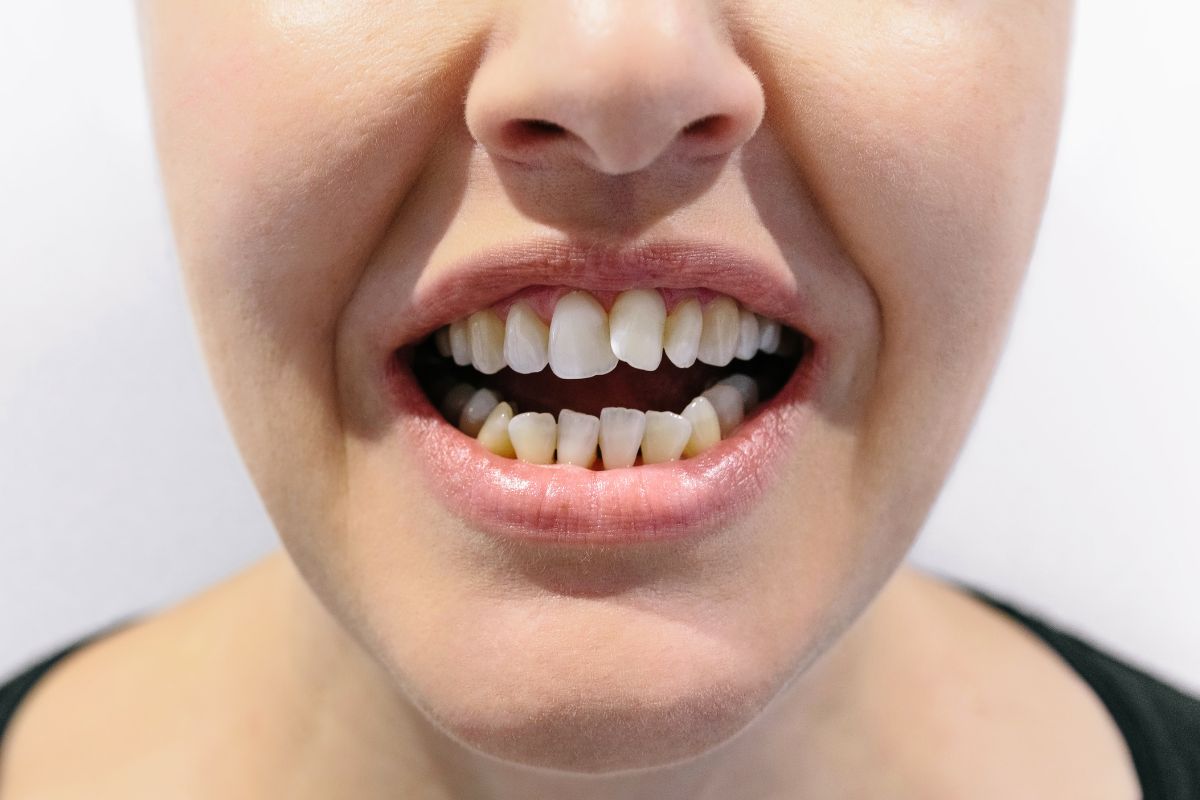
Close-up showing crowded and misaligned teeth that may be treated with clear aligners

What Aligners Cannot Determine From Appearance Alone

A photograph cannot show roots, bone support, decay, gum disease, or the full jaw relationship. Planning may include an examination, scan, photographs, and X-rays when indicated.

Patients can visit our dental office to determine whether their concern is primarily dental, involves jaw growth, or requires restorative care first. This distinction supports safer planning and a more stable bite.

When Traditional Braces May Be Considered

Clear trays are versatile, but not right for every movement. Significant jaw discrepancies, certain impacted teeth, or severe rotations may favor fixed appliances or coordinated care. Compare the options in Invisalign vs. Traditional Braces.

What Makes Treatment Successful?

This orthodontic appliance is only one part of the process. Success also depends on an accurate diagnosis and consistent habits. Patients generally need to:

  •             Wear trays for the prescribed daily hours
  •             Change sets only as directed
  •             Remove them for meals and most drinks
  •             Brush and floss before reinserting them
  •             Attend progress checks
  •             Wear retainers after active movement ends

Complexity and cooperation also affect the schedule. 

Start With a Complete Smile Evaluation in Jacksonville

Invisalign can correct many alignment and bite concerns, but suitability cannot be confirmed by symptoms or a photo alone. An evaluation identifies the cause and clarifies which option offers appropriate control. To discuss your smile goals and next steps, book an appointment at our Jacksonville dental office.

Frequently Asked Questions

Can clear aligners fix severely crooked teeth?

Some complex crowding can be treated with trays, attachments, or additional planning. Severity alone does not determine eligibility. A clinician must assess root support, bone support, bite relationships, and the required movements before recommending an appliance.

Can aligners close every type of tooth gap?

Many spaces respond to controlled tooth movement. Gaps caused by missing teeth, gum disease, an abnormal frenum, or tooth-size differences may require additional services or coordinated care to achieve a stable, natural-looking result.

Do clear aligners correct an overbite?

They can improve many tooth-related overbites. The amount of overlap, jaw relationship, age, and required tooth movements affect the plan. An examination is needed to tell whether trays can provide sufficient correction.

Can aligners move a rotated tooth?

Yes, selected rotations can be corrected. Tooth shape and the degree of rotation matter because the tray must grip the tooth effectively. Small attachments may provide additional leverage during planned movement.

Will straightening teeth improve oral health?

Better alignment may make brushing and flossing easier and can improve how teeth meet. It does not replace preventive care, and any decay or gum inflammation should be addressed before or during treatment as directed.


 

Happy family brushing teeth together in bathroom to prevent cavities.

Why Does My Family Keep Getting Cavities? Common Causes Explained

It can be frustrating when cavities seem to become a recurring problem for several people in the same household. Even when everyone brushes their teeth, tooth decay can still develop because cavity risk involves much more than brushing. Diet, saliva, fluoride exposure, tooth structure, oral bacteria, and daily habits can all influence how likely someone is to develop a cavity.

For families in Jacksonville, NC, understanding why cavities keep appearing can make it easier to identify the factors that may be affecting each person. A Beautiful Smile, The Office of Dr. Gina Mancini provides family dental care for children and adults, giving local families a place to address recurring cavities and discuss individualized prevention.

Can Cavities Actually Run in Families?

Cavities are not simply inherited from parents, but genetics can influence some factors related to cavity susceptibility. Tooth structure, enamel characteristics, saliva, and the oral environment can have genetic influences. However, dental caries is considered a complex condition involving genetic, behavioral, and environmental factors.

That distinction matters.

If both parents have frequent cavities, it does not mean their children are destined to have the same problem. Family members may instead share similar diets, routines, oral hygiene habits, or environmental factors that increase their exposure to cavity-causing conditions.

So if several people in your household experience decay, genetics may be one piece of the picture—but it is rarely the entire explanation.

Are Shared Family Habits Part of the Problem?

They can be.

Families often eat together, shop for similar foods, follow similar bedtime routines, and develop the same approach to brushing and dental care. When one habit increases cavity risk, several people may be affected.

For example, a household may regularly:

  • Keep sugary drinks available
  • Snack frequently between meals
  • Have dessert every evening
  • Brush quickly before bed
  • Skip cleaning between teeth
  • Wait until a tooth hurts before seeking care

None of these habits automatically causes cavities by itself. The concern is the overall pattern and how frequently teeth are exposed to conditions that favor decay.

How Does Eating Frequency Affect Cavities?

The amount of sugar you consume matters, but how often your teeth are exposed to sugar and other fermentable carbohydrates also matters.

Bacteria in dental plaque use these carbohydrates and produce acids that can attack enamel. Repeated exposure can shift the balance toward demineralization and tooth decay.

This can happen when someone spends much of the day:

  • Sipping sweetened coffee
  • Drinking soda
  • Snacking on candy
  • Eating crackers or other carbohydrate-rich snacks
  • Drinking juice frequently
  • Grazing between meals

A person may not consider themselves a “sweets eater” but still have frequent carbohydrate exposure throughout the day.

Family cavity risk factors and dental care

Does Cutting Out All Sugar Prevent Cavities?

Not necessarily. A more practical goal is to reduce frequent exposure to sugary foods and drinks while maintaining good oral hygiene and fluoride use. The ADA recommends limiting frequent sugary snacks and exposures between meals as part of caries risk management.

Can Oral Bacteria Contribute to Recurring Cavities?

Yes. Cavities develop within a complex oral environment that includes bacteria, plaque, dietary carbohydrates, saliva, and the tooth itself.

When certain bacteria in dental plaque metabolize sugars, they produce acids that can weaken tooth enamel. Over time, repeated acid attacks can result in a cavity.

This also helps explain why two family members can eat the same foods but have different cavity experiences. Their oral environments, saliva, tooth anatomy, previous dental history, and other risk factors may not be identical.

In other words, the same household does not necessarily mean the same cavity risk.

Does Saliva Affect Cavity Risk?

Yes. Saliva is one of the mouth’s natural defenses against tooth decay.

It helps clear food particles, contributes to the mouth’s chemical balance, and supplies minerals involved in protecting and repairing enamel. Reduced saliva flow can therefore increase susceptibility to cavities. The ADA identifies severe dry mouth or inadequate salivary flow as a cavity-risk factor.

Dry mouth can sometimes be associated with:

  • Certain medications
  • Dehydration
  • Mouth breathing
  • Some health conditions
  • Other factors affecting saliva production

If someone develops frequent cavities along with persistent dry mouth, it is worth bringing both concerns to a dental professional.

Can Tooth Shape Make Cavities More Likely?

Yes. The physical structure of a tooth can influence where plaque and food collect.

Back teeth, particularly molars, have grooves and pits on their chewing surfaces. Some of these areas can be difficult to clean thoroughly with a toothbrush.

This is one reason a person may repeatedly develop cavities in the same general area even when they are making a genuine effort to brush.

Children and teenagers can be particularly susceptible because newly erupted permanent molars may have deep grooves that require extra attention.

Depending on individual risk, a dentist may discuss preventive options such as sealants.

Why Do Children Sometimes Develop Cavities Quickly?

Children have several factors that can make cavity prevention challenging.

Their brushing technique is still developing, and they may not consistently clean the back teeth or other difficult-to-reach areas. Frequent snacks, sweetened beverages, and bedtime eating or drinking can also increase exposure to cavity-promoting conditions.

The ADA considers factors such as frequent carbohydrate exposure, previous cavities, and inadequate salivary flow when assessing a child’s caries risk.

Parents can help by:

  • Supervising brushing when needed
  • Encouraging water between meals
  • Limiting frequent sugary snacks
  • Helping younger children clean between teeth
  • Keeping regular dental appointments
  • Following individualized fluoride recommendations

Could Everyone in the Family Need a Different Cavity-Prevention Plan?

Absolutely.

This is one of the most important points when several family members have recurring cavities.

A young child may struggle with brushing technique. A teenager may frequently consume sports drinks. An adult may experience dry mouth or have older restorations that require monitoring. Another family member may simply have deep grooves that trap plaque.

The goal is not to assume that everyone needs the same treatment.

Instead, a Jacksonville dentist can evaluate each person’s dental history and current risk factors to determine what may be contributing to recurring decay.

How Can You Find Out What Is Causing Recurring Cavities?

Start by looking at the pattern rather than focusing only on the latest cavity.

Consider:

  1. Where are the cavities occurring?
    Repeated decay in the same type of tooth may point toward an anatomical or cleaning challenge.
  2. How often are snacks or sweetened drinks consumed?
    Frequent exposure may be more relevant than an occasional dessert.
  3. Does anyone have dry mouth?
    Reduced saliva can change the mouth’s natural protection.
  4. Are children brushing independently?
    Younger children may need supervision or assistance.
  5. Is fluoride being used appropriately?
    Fluoride strengthens enamel and helps support remineralization.
  6. Has anyone recently had multiple cavities?
    Previous decay is itself an important indicator when assessing future cavity risk.

Looking at these factors together can provide a much clearer picture than simply asking whether everyone brushes twice a day.

When Should Your Family See a Dentist?

If cavities are occurring repeatedly or several family members are developing decay, schedule an evaluation to identify individual risk factors. Don’t wait for every new cavity to become painful before discussing the pattern.

Seek dental care if you notice:

  • Tooth sensitivity
  • Persistent toothache
  • A visible hole or dark area
  • Pain while chewing
  • Food repeatedly getting trapped
  • A broken or weakened tooth
  • New cavities despite regular brushing
  • Frequent cavities in a child

An evaluation can determine whether the issue is related to diet, oral hygiene, tooth structure, saliva, previous dental disease, or another factor.

Conclusion

Recurring cavities throughout a family do not necessarily mean that everyone has genetically weak teeth. Genetics can influence susceptibility, but shared habits, dietary patterns, oral bacteria, saliva, fluoride exposure, and tooth anatomy can all affect cavity development.

For families looking for family dentistry Jacksonville, the most useful approach is to identify the specific risk factors affecting each person instead of assuming one explanation applies to everyone. A personalized evaluation can help your family understand where changes may make the biggest difference.

If you’re dealing with repeated cavities in Jacksonville, NC, call (910) 347-9100 to discuss your family’s dental care needs.

Frequently Asked Questions

1. Are cavities more common in families with a history of tooth decay?

A family history may be associated with some factors that influence cavity susceptibility, but cavities are not simply inherited. Shared diet, oral hygiene, fluoride exposure, saliva, and other environmental factors can also contribute.

2. Can everyone in a family get cavities for the same reason?

Not necessarily. Even when family members share the same household and diet, their tooth structure, saliva, oral bacteria, dental history, and individual habits can differ.

3. Does fluoride really help prevent cavities?

Yes. Fluoride helps strengthen enamel and supports remineralization, making teeth more resistant to acid attacks. The ADA recognizes fluoride as an effective tool for preventing tooth decay in both children and adults.

4. Why does my child keep getting cavities in the back teeth?

Back teeth have grooves and pits that can collect plaque and food particles. If these areas are difficult to clean, they may be more vulnerable to decay, particularly when other cavity-risk factors are present.

5. Should I be concerned if several family members have cavities?

It is worth discussing the pattern with a dental professional. Multiple cavities among family members may indicate shared habits or other risk factors that can be identified and addressed through individualized care.

Woman holding two clear retainers after finishing Invisalign treatment

Life After Invisalign: Do You Still Need a Retainer?

Finishing your last set of aligners can feel like the finish line — but it isn’t quite the end of the process. Teeth have a natural tendency to shift over time, and the only way to protect the results you worked for is consistent retainer wear. For Jacksonville patients wrapping up Invisalign treatment, understanding what comes next can help you avoid losing progress you already made.

At A Beautiful Smile, The Office of Dr. Gina Mancini, retention is treated as part of the treatment plan, not an optional add-on. Here’s what to expect once active treatment ends.

Why Do Teeth Shift Back After Invisalign?

Teeth are held in place by ligaments and bone that continue to remodel even after orthodontic movement stops. Without something holding your teeth in their new position, they can gradually drift — sometimes back toward where they started. This is sometimes called orthodontic relapse, and it’s a normal biological response, not a sign that your treatment didn’t work.

This is also why some patients who wore braces years ago later notice their teeth have shifted again — a pattern covered in more detail in Am I a Good Candidate for Invisalign?, which discusses treating that kind of relapse with a new round of aligners.

How Long Do You Need to Wear a Retainer?

Retainer schedules vary by patient, but a common approach is full-time wear for a period after treatment, tapering down to nighttime-only wear over the following months. Many dentists recommend some form of nighttime retainer wear indefinitely, since the risk of shifting doesn’t fully disappear even years later.

Your specific schedule depends on:

  • How much movement your treatment involved
  • Your bite and how stable your teeth are in their new position
  • Whether you have a history of teeth shifting after previous orthodontic care
  • Your retainer type

Types of Retainers After Invisalign

Most patients are prescribed one of the following, sometimes in combination:

  • Clear removable retainers — similar in appearance to Invisalign trays, worn on a set schedule and removed for eating.
  • Fixed (bonded) retainers — a thin wire bonded to the back of certain teeth, providing continuous retention without daily removal.
  • Hawley retainers — a removable retainer with a wire and acrylic base, less common but still used in some cases.

Which option is recommended depends on your treatment plan, your bite, and your ability to stay consistent with removable wear.

What Happens If You Don’t Wear Your Retainer?

Skipping retainer wear, even briefly, can allow teeth to start moving. Unlike active treatment, this movement isn’t monitored or controlled, so it can happen unevenly. Common signs of shifting include:

  • A retainer that suddenly feels tight or difficult to seat
  • Teeth that look slightly different than right after treatment
  • New spacing or overlap in areas that were previously corrected

If a retainer stops fitting, don’t force it into place. Contact your dental team — depending on how much movement has occurred, you may need a new retainer or a short round of aligners to correct the shift before it progresses further.

Caring for Your Retainer

Retainers require daily care to stay effective and hygienic:

  • Rinse your retainer before and after wear
  • Clean it with a soft toothbrush and lukewarm water, or a cleaner recommended by your dental team
  • Avoid hot water, which can warp clear plastic retainers
  • Store it in its case when not in use to avoid loss or damage
  • Bring it to dental checkups so your team can check its fit

Do Fixed Retainers Need Special Care?

Bonded retainers stay in place continuously, which means daily brushing and flossing take a little more attention. Floss threaders or a water flosser can help clean around the wire. Your dental team will check the bond at regular visits to make sure it hasn’t loosened.

When Should You Contact Your Dentist About Retention?

Reach out if you notice any of the following:

  • Your retainer no longer fits comfortably
  • A fixed retainer feels loose or has come away from a tooth
  • You’ve gone an extended period without wearing a removable retainer
  • You notice visible shifting compared to your finished results

Catching a change early generally means a simpler fix than waiting until the shift becomes more noticeable.

Protecting Your Investment in Your Smile

Invisalign treatment is only the first part of getting — and keeping — a straighter smile. Consistent retainer wear is what protects that result long-term. If you’re wrapping up treatment or have questions about your retention plan, book an appointment at our Jacksonville office, or call (910) 347-9100.

Frequently Asked Questions

Do I really need to wear a retainer forever?

Many dentists recommend at least occasional nighttime wear indefinitely, since teeth can shift at any point in life. Your dental team can advise on a schedule based on your specific case.

Can I switch from a removable to a fixed retainer later?

This depends on your teeth and bite. Talk to your dental team about which option best fits your lifestyle and how consistent you’ve been with removable wear.

What if I lost my retainer?

Contact your dental office as soon as possible. The longer you go without one, especially soon after finishing treatment, the more likely your teeth are to begin shifting.

Is it normal for a retainer to feel tight after not wearing it for a while?

Some tightness after a short break can be normal, but if it doesn’t ease up quickly or feels significantly different, that may indicate shifting has already started and is worth having checked.

Can a retainer fix teeth that have already shifted?

A retainer alone typically maintains a position rather than correcting new movement. If your teeth have shifted, a new retainer or a short course of aligners may be needed to move them back before retention can hold them in place.

Happy child holding colorful toy in Jacksonville pediatric dental office.

Pediatric Dentist vs. Family Dentist: Which Is Right for Your Child?

Between school pickup lines, weekend sports, and everything else on a Jacksonville family’s calendar, deciding where to take your child for dental care can feel like one more decision nobody has time for. Some parents assume kids automatically need a specialist. Others wonder if the same practice treating the rest of the household can handle a toddler’s first cleaning just as well.

That question — pediatric dentist or family dentistry Jacksonville parents already use for themselves — comes up constantly, and the honest answer depends on what your child needs and what fits your family’s routine.

What Is a Pediatric Dentist?

A pediatric dentist completes additional training focused exclusively on the dental development, behavior, and unique needs of infants, children, and teenagers. Their offices are typically built entirely around young patients, with staff trained specifically in helping kids feel comfortable, including those with anxiety or special healthcare needs.

What Is a Family Dentist?

A family dentist is trained to treat patients of every age, from a child’s first tooth through adulthood and beyond, all within the same practice. Instead of splitting care between a children’s specialist and a general dentist, the whole household can be seen by one team that already knows everyone’s dental history.

For a dentist Jacksonville NC families can rely on for years, that continuity is often the deciding factor over specialization alone.

Key Differences Between the Two

Here’s how the two typically compare:

Factor Pediatric Dentist Family Dentist
Training focus Children only, with extra specialty training All ages, including children
Office environment Designed exclusively for kids Welcoming to kids and adults alike
Who can be treated Infants through teens Every family member, one office
Best fit for Complex behavioral or medical needs Most healthy children and families wanting convenience

Neither option is universally “better.” The right choice depends on your child’s specific needs and how your family prefers to manage care.

Which One Is Right for Your Child?

Most healthy children do very well with a family dentist, especially one that already has an established, kid-friendly approach to first visits. A family practice that treats children regularly, offers a calm and patient environment, and takes the time to build comfort gradually can provide the same quality of preventive care most kids need.

A pediatric specialist may be a better fit if your child:

  • Has significant dental anxiety that hasn’t improved with a gentler approach
  • Has special healthcare needs requiring specialized behavior management
  • Needs more complex treatment, such as sedation for extensive work
  • Has a complicated dental or developmental history

For everyone else, the convenience of seeing the whole family at one office often outweighs the benefit of a separate specialist.

Can a Family Dentist Treat Young Children?

Yes. Family dentists are trained and equipped to treat children starting around their first tooth or first birthday, following guidance from the American Dental Association. Many family practices also design part of their office specifically with children in mind, including separate waiting areas and staff experienced in easing first-visit nerves.

What Happens at a Young Child’s First Visit?

The first appointment is usually brief and gentle, often including a simple look at the teeth and gums, a discussion of oral hygiene with the parent, and time for the child to get comfortable with the chair and environment before anything more involved happens.

When a Pediatric Specialist Makes More Sense

If your child’s needs go beyond what a general family practice is equipped to manage comfortably, a referral to a pediatric specialist is a normal and appropriate next step. A good family dentist will be upfront about that rather than trying to manage a case outside their comfort level.

Families throughout Jacksonville and nearby communities like Richlands, Piney Green, and Half Moon often start with a family dentist by default simply because it’s easier logistically, then decide from there whether a specialist referral makes sense based on how the child responds.

The American Dental Association recommends a child’s first dental visit by their first birthday or within six months of the first tooth appearing, regardless of whether that visit is with a pediatric specialist or a family dentist.

Choosing What Works Best for Your Family

There’s no single right answer for every child. What matters most is finding a provider — pediatric specialist or family dentistry in Jacksonville practice — that makes your child feel comfortable and keeps them on track with regular preventive care.

A Beautiful Smile, The Office of Dr. Gina Mancini provides family-focused dental care for children and adults throughout Jacksonville, NC. Call (910) 347-9100 to schedule your child’s next visit.

Frequently Asked Questions

  1. Is a pediatric dentist always better for young children?

Not necessarily. Pediatric dentists have specialized training, but many family dentists are also well equipped to treat healthy children comfortably, especially for routine preventive care.

  1. Can my whole family see the same dentist as my child?

Yes, if you choose a family dentistry practice. That’s one of the main advantages over a pediatric-only specialist, who typically only treats patients through the teenage years.

  1. At what age should a child switch from a family dentist to an adult provider?

There’s no required switch. A family dentist can typically continue treating your child through adolescence and into adulthood at the same practice.

  1. When should my child see a pediatric specialist instead?

If your child has significant anxiety, special healthcare needs, or requires more complex treatment, a referral to a pediatric specialist may be recommended.

  1. What should I bring to my child’s first dental visit?

Bring any medical history, a list of medications if applicable, and questions about brushing, feeding habits, or teething you’d like to discuss.

Woman with tooth pain touching her cheek, showing gum disease symptoms.

Signs of Gum Disease: 7 Warning Signs You Shouldn’t Ignore

Signs of gum disease often show up quietly, long before a tooth ever hurts. Bleeding while you brush, gums that look a little redder than usual, or breath that doesn’t improve no matter how often you brush can all point to an early stage of gum disease called gingivitis. For patients searching for periodontal therapy in Jacksonville, knowing what to watch for can make the difference between a simple cleaning and a much more involved treatment plan later on.

Gum disease is common, and it rarely announces itself with pain right away. That’s exactly why so many people don’t realize anything is wrong until a dentist points it out during a routine exam.

What Is Gum Disease?

Gum disease is an infection of the tissue surrounding your teeth, caused by plaque buildup along the gumline. It begins as gingivitis, a mild and reversible form of inflammation, and can progress to periodontitis, a more serious condition that affects the bone supporting your teeth. Left untreated, it’s a leading cause of tooth loss in adults.

Signs of Gum Disease You Might Notice at Home

Many of the earliest signs of gum disease are easy to dismiss because they don’t hurt. Paying attention to small changes in your mouth can help you catch the problem while it’s still simple to treat.

Watch for these seven warning signs:

  • Gums that bleed during brushing or flossing
  • Redness or puffiness along the gumline
  • Gums that feel tender to the touch
  • Breath that stays unpleasant even after brushing
  • Gums that appear to be pulling away from the teeth
  • Teeth that feel slightly loose or shifted
  • A change in how your bite fits together

If you notice even one of these consistently, it’s worth mentioning at your next dental visit rather than waiting for it to go away on its own.

 Signs of gum disease including bleeding gums during brushing

Bleeding Gums Are Often the First Clue

Healthy gums don’t bleed during normal brushing or flossing. If you’re regularly seeing pink in the sink, that’s usually inflammation caused by plaque sitting along the gumline for too long. It’s one of the most common early signs of gum disease and also one of the easiest to catch, since most people notice it right away.

Is Gum Disease Painful?

Gum disease is usually not painful in its early stages. Gingivitis typically causes bleeding, redness, and mild swelling without significant discomfort. Pain tends to develop later, once the condition progresses to periodontitis and begins affecting the bone and deeper tissue that support your teeth.

How Long Does Gum Disease Take to Develop?

Gingivitis can develop within days of plaque being left on the teeth, while periodontitis usually takes months or years of untreated inflammation to progress. The timeline varies from person to person based on oral hygiene habits, genetics, and other health factors like smoking or diabetes.

What Causes Gum Disease?

Gum disease starts with plaque, a sticky film of bacteria that forms on your teeth every day. When it isn’t removed consistently, it hardens into tartar, which brushing alone can’t get rid of.

Several factors can increase your risk, including:

  • Inconsistent brushing or flossing
  • Smoking or tobacco use
  • Hormonal changes, including pregnancy
  • Certain medications that reduce saliva flow
  • Diabetes or other conditions affecting immune response
  • A family history of gum disease

Understanding your personal risk factors can help you and your dental team decide how often you should be seen for cleanings.

Can Gum Disease Be Reversed?

Gingivitis, the earliest stage of gum disease, can often be reversed with improved oral hygiene and a professional cleaning. Once the condition advances to periodontitis, the damage to bone and gum tissue is no longer reversible, though further progression can be slowed or stopped with treatment.

This is one of the biggest reasons early detection matters. Catching gum disease while it’s still gingivitis means a simple cleaning and a better home care routine may be all that’s needed.

How Is Gum Disease Treated?

Treatment depends on how far the condition has progressed.

Common approaches include:

  • A professional cleaning to remove plaque and tartar
  • Scaling and root planing for deeper cleaning below the gumline
  • Improved daily brushing and flossing habits
  • More frequent dental visits to monitor gum health
  • In advanced cases, referral for more specialized care

Patients dealing with ongoing bleeding, gum recession, or loose teeth often benefit from periodontal gum therapy, which is designed to treat inflammation below the gumline and help stabilize the supporting tissue around your teeth.

How Do I Know If I Have Gum Disease?

The clearest way to know is a dental exam. A dentist checks for bleeding, measures the depth of the space between your teeth and gums, and reviews X-rays to look for bone changes that aren’t visible to the eye. If you’re noticing bleeding, swelling, or persistent bad breath at home, that’s a reasonable signal to schedule a check-up rather than wait.

Should I Wait to See a Dentist If My Gums Bleed Occasionally?

Occasional bleeding after aggressive brushing isn’t necessarily a concern, but bleeding that happens regularly, even with gentle brushing, is worth having evaluated. Waiting allows inflammation to continue building, which can make treatment more involved later.

When Should You See a Dentist in Jacksonville, NC?

Residents throughout Jacksonville and nearby communities shouldn’t wait for pain before scheduling an exam. Gum disease is far easier to manage in its early stages, and routine visits every six months give your dental team the chance to catch changes before they become bigger problems. If you already have swollen or bleeding gums, it’s worth being seen sooner rather than later.

According to the American Dental Association, maintaining consistent oral hygiene and attending regular dental visits are among the most effective ways to prevent gum disease from progressing.

Protect Your Gums Before Small Problems Grow

Recognizing the signs of gum disease early gives you the best chance of reversing the problem before it affects the bone and tissue supporting your teeth. Bleeding gums, persistent bad breath, and tenderness are worth mentioning at your next appointment, even if nothing feels urgent yet.

A Beautiful Smile, The Office of Dr. Gina Mancini provides family-focused dental care for patients throughout Jacksonville, NC. The practice is located at 3685 Henderson Dr, Jacksonville, NC 28546. To schedule an evaluation for gum health, call (910) 347-9100.

Frequently Asked Questions

  1. What is the very first sign of gum disease?

Bleeding gums during brushing or flossing is usually the earliest and most noticeable sign. It often appears before any pain or visible swelling develops.

  1. Can bad breath alone mean I have gum disease?

Persistent bad breath that doesn’t improve with brushing can be linked to gum disease, since bacteria along the gumline release odor-causing compounds. It’s worth having evaluated if mouthwash and brushing aren’t helping.

  1. Is gum disease contagious?

The bacteria associated with gum disease can potentially be shared through close contact, such as kissing or sharing utensils, though good oral hygiene significantly reduces this risk.

  1. Does gum disease affect only older adults?

No. While risk increases with age, gum disease can affect teenagers and younger adults too, especially with inconsistent oral hygiene or certain health conditions.

  1. How often should I get a cleaning if I have a history of gum disease?

Many patients with a history of gum disease benefit from cleanings every three to four months instead of the standard six-month schedule, depending on how their gums respond to treatment.

Young child sitting in pink dental chair holding toothbrush, smiling at dentist in Jacksonville, NC.

When Should a Child Have Their First Dental Visit? 7 Helpful Facts for Parents

When should a child have their first dental visit? Dental organizations generally recommend scheduling the first visit when the first tooth appears or by the child’s first birthday, whichever comes first. Starting early gives parents an opportunity to learn about proper oral care and allows the dentist to monitor the child’s dental development.

For families seeking family dentistry Jacksonville, an early dental visit can help establish healthy habits and make future appointments feel familiar. The purpose of the first visit is not only to look for dental concerns. It is also an opportunity for parents to ask questions about brushing, fluoride, feeding habits, teething, and cavity prevention.

When Should a Child Have Their First Dental Visit?

A child should generally visit the dentist when the first tooth appears or by age 1. This recommendation applies to children everywhere and is not limited to one city or community.

Baby teeth are important because they help children chew, speak, and maintain space for permanent teeth. Early dental visits allow a dentist to evaluate oral development and discuss ways to protect teeth as they emerge.

The first appointment also helps parents establish a dental home—a familiar place where the child can receive ongoing preventive care and where the dental team can monitor changes over time.

Why Should a Child Visit the Dentist So Early?

Some parents assume that dental visits can wait until all baby teeth have appeared. However, cavities can develop in young children, sometimes soon after the first teeth erupt.

An early appointment may help with:

  • Checking how the teeth and jaws are developing
  • Looking for early signs of tooth decay
  • Evaluating the gums and oral tissues
  • Discussing proper brushing techniques
  • Reviewing fluoride needs
  • Talking about feeding and drinking habits
  • Discussing pacifier use or thumb-sucking
  • Identifying potential concerns early

The dentist may also discuss ways to reduce the risk of early childhood cavities. Parents can ask questions about bottle use, nighttime feeding, snacks, and how to clean a baby’s teeth.

What Happens During a Child’s First Dental Visit?

The first visit is usually designed to be simple, gentle, and age-appropriate. The dental team may spend time helping the child become comfortable with the office, chair, and dental equipment.

Depending on the child’s age and comfort level, the appointment may include:

  • Reviewing the child’s medical and dental history
  • Looking at the teeth and gums
  • Checking the bite and jaw development
  • Evaluating how teeth are erupting
  • Looking for signs of cavities or developmental concerns
  • Discussing daily oral hygiene
  • Providing guidance about diet and fluoride
  • Answering parents’ questions

Young children may sit on a parent’s lap during the examination. The goal is often to create a positive introduction rather than complete an extensive procedure.

The practice’s family dentistry page explains that its care is designed for patients of different ages and includes a child-friendly environment intended to help younger patients feel more comfortable.

How Long Does a Child’s First Dental Visit Take?

A child’s first dental visit may take about 30 to 45 minutes, although the length varies based on the child’s age, comfort level, and dental needs.

The examination itself may be brief. Additional time may be used to help the child feel comfortable and to discuss oral care with the parent or caregiver.

The appointment may take longer if the dentist identifies a concern that needs further evaluation or if the child needs extra time to adjust to the new environment.

When Should a Child Have Their First Dental Visit If No Teeth Are Visible?

If a child has not developed a visible tooth by their first birthday, parents can still schedule a dental visit. The dentist can examine the gums and jaw development and answer questions about delayed tooth eruption.

Children develop at different rates. A later eruption does not always indicate a problem, but an examination can provide guidance based on the child’s individual development.

How Can Parents Prepare a Child for the First Visit?

A little preparation can help make the appointment feel less unfamiliar.

Parents may find these steps helpful:

  • Use simple and positive language.
  • Explain that the dentist will count and look at the teeth.
  • Read a child-friendly book about visiting the dentist.
  • Practice a dental checkup with a favorite toy.
  • Avoid describing the appointment as painful or frightening.
  • Schedule the visit at a time when the child is usually well-rested.
  • Bring a comfort item if the dental office allows it.

Try not to promise that nothing unusual will happen. Instead, use calm language and allow the dental team to explain each step in a child-friendly way.

Child preparing for a first dental visit by practicing a dental checkup with a favorite toy

What If My Child Is Nervous About the Dentist?

Nervousness is common, especially when a child is visiting a dental office for the first time. A child may be unsure about the new surroundings, unfamiliar sounds, or sitting in a dental chair.

Parents can help by remaining calm and encouraging. The dental team may use age-appropriate communication and introduce tools gradually.

Some children are comfortable immediately, while others need more than one visit to become familiar with the environment. A positive and patient approach can help build confidence over time.

How Often Should Children Visit the Dentist?

Many children benefit from dental checkups about every six months, but the recommended schedule depends on the child’s oral health and risk of tooth decay.

Some children may need more frequent visits. The dentist may recommend a personalized schedule based on factors such as:

  • Previous cavities
  • Oral hygiene habits
  • Fluoride exposure
  • Diet
  • Tooth development
  • Gum health
  • Overall cavity risk

Regular visits allow the dental team to monitor changes and provide preventive guidance as the child grows.

What Should Parents Ask During the First Visit?

The first appointment is a good time to ask questions about your child’s daily oral care.

Consider asking:

  • How should I clean my child’s teeth?
  • How much toothpaste should I use?
  • Does my child need fluoride?
  • Are my child’s teeth developing normally?
  • How can I reduce the risk of cavities?
  • Is thumb-sucking affecting dental development?
  • When should my child stop using a pacifier?
  • When should the next appointment be scheduled?

Parents should also tell the dentist about any concerns involving feeding, teething, mouth injuries, tooth discoloration, or changes in eating habits.

When Should Parents Schedule an Earlier Dental Appointment?

Parents should not wait for a routine visit if a child has a dental concern.

Contact a dental office if your child has:

  • Tooth pain
  • A chipped, cracked, or broken tooth
  • A loose tooth caused by an injury
  • Swelling in the gums or face
  • A dark or discolored tooth after an accident
  • A visible hole or unusual spot on a tooth
  • Bleeding that does not stop
  • Difficulty eating because of dental discomfort

Early evaluation can help identify the cause and determine whether treatment is needed.

How Do I Find a Dentist in Jacksonville, NC, for My Child?

If you are searching for a dentist Jacksonville NC, look for a practice that provides preventive care for children and communicates clearly with both parents and young patients.

A family dental office may make scheduling easier because children, teens, and adults can receive care in the same practice. The practice should also provide clear guidance about first visits, oral hygiene, preventive care, and follow-up appointments.

For more information about family dentistry, parents can review the available services and learn what to expect when scheduling care for a child.

Start Building Healthy Dental Habits Early

So, when should a child have their first dental visit? The first appointment is generally recommended when the first tooth appears or by the child’s first birthday. Early visits allow parents to receive guidance, help children become familiar with dental care, and support healthy oral habits from the beginning.

A Beautiful Smile, The Office of Dr. Gina Mancini provides family-focused dental care for children and adults. The practice is located at 3685 Henderson Dr, Jacksonville, NC 28546. To schedule your child’s first dental visit, call (910) 347-9100.

Frequently Asked Questions

1. Is age 1 too early for a child’s first dental visit?

No. A first dental visit by age 1 can help parents learn how to care for emerging teeth and allow the dentist to monitor oral development. The appointment is usually gentle and focused on prevention.

2. What if my child does not have any teeth by age 1?

You can still schedule a dental visit. The dentist can examine the gums and jaw development and discuss whether the child’s tooth eruption appears to be progressing normally.

3. Does my child need a dental cleaning during the first visit?

Not always. The visit may focus on an examination, oral hygiene guidance, and helping the child become comfortable. The dentist will recommend any cleaning or preventive care based on the child’s needs.

4. Should I take my child to a family dentist or a pediatric dentist?

Both may provide appropriate care, depending on the practice and the child’s needs. A family dentist can provide care for multiple members of the household, while a pediatric dentist has additional training focused on children’s dental development and behavior.

5. What should I bring to my child’s first dental appointment?

Bring your child’s medical information, insurance details if applicable, a list of medications, and any questions you want to discuss. A favorite comfort item may also help some children feel more relaxed.

Patient holding cheek in pain during dental consultation with dentist in Jacksonville, NC office.

How to Tell If a Toothache Is Serious | Jacksonville NC

Most people experience a toothache at some point, but knowing how to tell if a toothache is serious isn’t always easy. If you’re searching for an Emergency Dentist in Jacksonville, understanding the warning signs can help you decide when it’s time to seek professional care. While mild sensitivity may resolve on its own, persistent pain, swelling, or difficulty chewing often signals an underlying dental problem that shouldn’t be ignored.

Tooth pain is your body’s way of telling you something isn’t right. Identifying the cause early can help relieve discomfort, prevent complications, and improve the chances of saving your natural tooth.

Quick Answer: How Do You Know If a Toothache Is Serious?

A toothache may require prompt dental care if it lasts longer than two days, becomes increasingly painful, causes swelling, produces a bad taste in your mouth, or is accompanied by fever. These symptoms often indicate an underlying issue that needs professional evaluation rather than home treatment alone.

Why Do Toothaches Happen?

A toothache isn’t a condition itself—it’s a symptom that something is affecting your teeth or gums.

Common causes include:

  • Tooth decay
  • Cracked or chipped teeth
  • Worn fillings or crowns
  • Gum disease
  • Dental abscesses
  • Teeth grinding
  • Impacted wisdom teeth
  • Dental injuries

Although these conditions may produce similar symptoms, each requires a different treatment approach. A dental examination is the best way to determine the exact cause.

How to Tell If a Toothache Is Serious: Warning Signs

Pain That Doesn’t Improve

Pain lasting longer than 48 hours or becoming more severe often means the problem is progressing. Pain medication may reduce discomfort temporarily, but it won’t eliminate infection or repair a damaged tooth.

Swelling Around the Tooth or Face

Swelling is one of the clearest signs that your body is responding to inflammation or infection. If swelling spreads into your cheek or jaw, don’t delay seeking care.

Pain When Chewing

Sharp pain while biting down can indicate a cracked tooth, an infected nerve, or a damaged filling. Continuing to chew on the affected side may worsen the damage.

Lingering Hot or Cold Sensitivity

Brief sensitivity is common. However, pain that continues after you’ve finished eating or drinking may suggest irritation or infection inside the tooth.

How to tell if a toothache is serious – woman experiencing severe tooth pain at home

Bad Taste or Drainage

A persistent bad taste or drainage near the painful tooth may indicate a dental abscess. Even if the pressure decreases afterward, professional treatment is still necessary.

Can You Wait to See If the Pain Goes Away?

Some toothaches seem to improve on their own, but that doesn’t always mean the underlying problem has resolved.

For example, pain may decrease if the nerve inside the tooth dies, even though an infection continues to spread beneath the surface.

Ignoring persistent symptoms may increase the likelihood of needing more extensive treatment later.

If discomfort lasts more than a day or two, scheduling a dental evaluation is the safest option.

Can You Manage a Toothache at Home?

Home care can provide temporary relief, but it shouldn’t replace professional treatment if symptoms continue.

While waiting for your appointment, you can:

  • Rinse with warm salt water.
  • Floss gently around the affected tooth.
  • Apply a cold compress if swelling is present.
  • Take over-the-counter pain medication as directed.
  • Eat softer foods and avoid chewing on the painful side.

Applying a cold compress to relieve severe tooth pain before visiting a dentist

The American Dental Association (ADA) recommends maintaining good oral hygiene and seeking professional dental care if tooth pain persists or is accompanied by swelling or other concerning symptoms.

Avoid placing aspirin directly on your gums or attempting to drain a swollen area yourself.

If symptoms worsen, seeking urgent dental care can help prevent additional complications.

What Happens If You Delay Treatment?

It’s common to hope that a toothache will disappear on its own, especially if the pain becomes less noticeable after a day or two. Unfortunately, many dental problems continue to worsen beneath the surface, even when symptoms temporarily improve.

Delaying treatment can lead to:

  • More extensive tooth decay
  • Infection spreading to surrounding tissues
  • Damage to the tooth’s nerve
  • Cracked or weakened teeth
  • Tooth loss that may have been preventable

Addressing dental problems early often results in simpler treatment, lower costs, and better long-term outcomes.

How Dentists Diagnose Tooth Pain

Tooth pain can have several causes, so an accurate diagnosis is the first step toward effective treatment.

During your appointment, your dentist may:

  • Discuss your symptoms and medical history
  • Examine the affected tooth and surrounding gums
  • Check for cracks, loose restorations, or signs of infection
  • Take digital X-rays if necessary
  • Explain the diagnosis and recommended treatment options

The goal isn’t just to relieve pain—it’s to treat the underlying cause and help prevent future problems.

How to Reduce Your Risk of Future Toothaches

Although not every dental problem can be prevented, healthy habits can significantly reduce your risk.

Brush and Floss Daily

Good oral hygiene removes plaque and bacteria that contribute to tooth decay and gum disease.

Visit Your Dentist Regularly

Routine dental exams allow small concerns to be treated before they become painful emergencies. Choosing a trusted local dental office for preventive care is one of the best ways to maintain a healthy smile.

Wear a Mouthguard

If you participate in contact sports or grind your teeth while sleeping, a properly fitted mouthguard can help protect your teeth from unnecessary damage.

Don’t Ignore Small Changes

Sensitivity, discomfort while chewing, or occasional pain shouldn’t be dismissed. Early evaluation often leads to simpler and more conservative treatment.

When Should You Schedule a Dental Appointment?

Even if your symptoms aren’t severe, it’s wise to contact your dentist if:

  • Tooth pain lasts longer than two days
  • You notice swelling around the gums or face
  • Biting or chewing becomes painful
  • Hot or cold sensitivity lingers
  • A damaged filling or chipped tooth causes discomfort

Seeking care sooner rather than later can help prevent more extensive dental procedures.

Protect Your Smile with Prompt Dental Care

A toothache is your body’s way of telling you something deserves attention. While some cases involve temporary sensitivity, persistent pain, swelling, or changes in how your teeth feel should never be ignored.

At A Beautiful Smile, The Office of Dr. Gina Mancini, we’re committed to helping patients throughout Jacksonville, NC, receive compassionate, high-quality dental care in a comfortable environment. Whether you’re dealing with unexpected tooth pain or simply want peace of mind, our team is here to help you find the cause and recommend the right treatment.

Address:
3685 Henderson Dr, Jacksonville, NC 28546

Phone:
(910) 347-9100

If you’re experiencing ongoing discomfort, don’t wait for it to become worse. Schedule an appointment with our team or learn more about our emergency dental services.

Frequently Asked Questions

Can a toothache go away without treatment?

Sometimes discomfort may temporarily improve, but that doesn’t always mean the underlying problem has healed. Tooth decay, infections, and cracked teeth typically require professional evaluation and treatment.

Why does my tooth hurt more at night?

Tooth pain often feels worse when lying down because increased blood flow to the head places additional pressure on inflamed tissues. Fewer distractions at night can also make discomfort more noticeable.

Can a cracked tooth heal naturally?

No. Tooth enamel cannot repair itself. Even a small crack can become larger over time, making early evaluation important.

Is swelling around a tooth always a sign of infection?

Not always, but swelling may indicate inflammation, gum disease, or a dental abscess. Because the cause isn’t always obvious, it’s best to have swelling examined by a dental professional.

Can regular dental checkups help prevent severe toothaches?

Yes. Routine dental visits allow your dentist to detect cavities, damaged fillings, gum disease, and other concerns before they become painful or require more extensive treatment.

Patient smiling while receiving professional teeth whitening treatment with protective eyewear.

Does Zoom Teeth Whitening Cause Sensitivity? 7 Facts to Know

Does Zoom teeth whitening cause sensitivity? Yes, some patients may experience temporary tooth sensitivity during or after professional whitening. This can happen regardless of where a person lives. For patients considering teeth whitening Jacksonville, understanding why sensitivity occurs, how long it may last, and what may help can make the treatment process easier to understand.

Sensitivity does not affect everyone in the same way. Some people notice mild discomfort when drinking something cold, while others experience brief, sharp sensations that come and go. In most cases, whitening-related sensitivity is temporary and improves after treatment.

Does Zoom Teeth Whitening Cause Sensitivity?

Zoom teeth whitening can cause temporary sensitivity in some patients, but the experience varies from person to person. The whitening process uses peroxide-based ingredients that help break down stains within the tooth. During or shortly after treatment, some patients may notice increased sensitivity to cold air, cold drinks, or certain foods.

Temporary tooth sensitivity and mild gum irritation are among the most common side effects associated with tooth whitening. The intensity may be influenced by the whitening method, the concentration of the whitening agent, the length of exposure, and a patient’s existing dental sensitivity.

Sensitivity does not necessarily mean that the treatment has damaged the teeth. However, discomfort should be discussed with a dental professional, especially if it is severe, lasts longer than expected, or affects only one tooth.

Why Does Zoom Teeth Whitening Make Teeth Sensitive?

Whitening products work by allowing peroxide-based ingredients to move through the outer layers of the tooth and break down stain-causing compounds. This process can temporarily affect the inner tooth tissues and make the teeth more responsive to temperature changes.

Sensitivity may feel like:

  • A quick, sharp sensation
  • A mild ache
  • Increased sensitivity to cold drinks
  • Brief discomfort when breathing through the mouth
  • A sudden “zing” in one or more teeth

These sensations are usually temporary. Some patients experience sensitivity during treatment, while others notice it several hours afterward.

Does Zoom Teeth Whitening Cause Sensitivity in Everyone?

No. Some patients experience little or no sensitivity, while others may notice temporary discomfort. A person’s natural tooth sensitivity, gum health, enamel condition, and previous dental treatment may influence how the teeth respond.

A dental examination before whitening can help identify concerns such as cavities, exposed root surfaces, worn enamel, or gum recession that may contribute to sensitivity. The American Dental Association recommends a dental evaluation to identify factors that may affect whitening treatment and to review a patient’s history of tooth sensitivity.

How Long Does Sensitivity Last After Zoom Whitening?

Most whitening-related sensitivity is temporary and may improve within several hours to a few days. The exact timeline varies based on the patient and the type of whitening treatment used.

For some people, sensitivity may be mild and disappear by the next day. Others may notice temporary discomfort for several days. If sensitivity continues, becomes more intense, or does not improve, contact a dental professional.

You should not assume that every type of tooth pain is caused by whitening. Persistent pain may be related to an untreated cavity, a cracked tooth, gum recession, or another dental concern.

Who Is More Likely to Experience Tooth Sensitivity?

Certain factors may increase the likelihood of sensitivity during or after whitening.

You may be more likely to experience discomfort if you have:

  • A history of sensitive teeth
  • Gum recession or exposed tooth roots
  • Worn or weakened enamel
  • Untreated cavities
  • Cracked or damaged teeth
  • Recent dental treatment
  • Existing gum irritation
  • A history of sensitivity after whitening

Patients with crowns, veneers, fillings, or other tooth-colored restorations should also understand that whitening products affect natural tooth structure but do not whiten restorations. A dental evaluation can help determine whether whitening is appropriate and whether color differences may become noticeable.

How Can You Reduce Sensitivity After Zoom Whitening?

Several steps may help make temporary sensitivity more manageable.

Use a Toothpaste for Sensitive Teeth

A toothpaste formulated for sensitive teeth may help reduce discomfort when used as directed. Ask your dental professional which option is appropriate for your needs.

Avoid Very Hot or Cold Foods

Extremely hot or cold foods and drinks may trigger sensitivity shortly after whitening. Choose foods and beverages at moderate temperatures until your teeth feel comfortable again.

Follow the Recommended Treatment Schedule

Do not repeat whitening sessions sooner than recommended. More frequent treatment does not always produce better results and may increase the risk of irritation or sensitivity.

Use Only the Recommended Amount of Whitening Gel

If you are using a dentist-supervised take-home option, follow the instructions for the amount of gel and the length of wear. Using extra product or extending treatment time may increase discomfort.

Tell Your Dental Team About Previous Sensitivity

If you have experienced sensitivity from whitening in the past, mention it before treatment. Your dental professional may recommend adjustments based on your oral health and treatment needs.

What Should You Avoid After Teeth Whitening?

After whitening, the teeth may be temporarily more sensitive. During this period, it may help to avoid:

  • Ice-cold drinks
  • Very hot coffee or tea
  • Highly acidic foods and beverages
  • Hard foods that may cause discomfort
  • Aggressive brushing
  • Using additional whitening products without guidance

Use a soft-bristled toothbrush and brush gently. Avoid scrubbing the teeth because aggressive brushing may contribute to enamel wear and gum recession.

If you are considering professional Zoom teeth whitening, a consultation can help determine the most appropriate option based on your current oral health and sensitivity history.

Is Zoom Whitening Safe for Sensitive Teeth?

Zoom whitening may still be an option for some people with sensitive teeth, but a dental evaluation is recommended before treatment. The cause and severity of sensitivity should be considered before deciding on a whitening approach.

A dental professional may evaluate:

  • Existing tooth sensitivity
  • Gum recession
  • Enamel wear
  • Cavities or damaged teeth
  • Previous reactions to whitening
  • Existing crowns, veneers, or fillings

If a patient has untreated dental concerns, those issues may need attention before whitening. A personalized approach can help reduce unnecessary discomfort and support a safer treatment experience.

What Should I Do If My Teeth Hurt After Whitening?

If you experience mild sensitivity, avoid very hot or cold foods and follow the aftercare instructions provided by your dental team. Sensitivity often improves as the teeth return to their normal response.

Contact a dental professional if you experience:

  • Severe or worsening pain
  • Sensitivity that does not improve
  • Pain when biting or chewing
  • Swelling around a tooth or gum
  • Sensitivity limited to one tooth
  • Pain that interrupts sleep

These symptoms may not be caused by whitening alone and may require an examination.

Whitening ingredients may temporarily increase sensitivity to temperature changes.

How Do I Find a Dentist in Jacksonville, NC, for Teeth Whitening?

If you are searching for a dentist in Jacksonville NC because you are concerned about whitening sensitivity, schedule a consultation before starting treatment. A dental examination can help identify existing concerns and determine whether professional whitening is suitable for your smile.

Patients in Jacksonville and nearby communities can benefit from discussing their sensitivity history, treatment goals, and previous whitening experiences before choosing an option.

A Brighter Smile Does Not Have to Mean Long-Term Sensitivity

So, does Zoom teeth whitening cause sensitivity? It can cause temporary sensitivity in some patients, but the symptoms are often mild and improve after treatment. The experience depends on individual factors, including existing tooth sensitivity, oral health, and the whitening approach used.

If you are considering professional whitening and want to discuss sensitivity concerns, A Beautiful Smile, The Office of Dr. Gina Mancini is located at 3685 Henderson Dr, Jacksonville, NC 28546. Call (910) 347-9100 to schedule a consultation and learn which whitening option may be appropriate for your smile.

Frequently Asked Questions

1. How long does Zoom whitening sensitivity last?

Sensitivity may last for several hours or a few days, depending on the patient and treatment approach. If discomfort does not improve or becomes more severe, contact a dental professional.

2. Can I use sensitive toothpaste before Zoom whitening?

A toothpaste designed for sensitive teeth may be recommended for some patients. Ask your dental professional before treatment for guidance based on your specific needs.

3. Does Zoom whitening damage enamel?

Professional whitening is generally considered safe when performed appropriately. However, whitening should be used as directed, and repeated or excessive use may increase the risk of sensitivity or irritation.

4. Why does one tooth hurt more after whitening?

One tooth may be more sensitive because of an underlying concern such as a cavity, crack, exposed root, or previous dental treatment. If the discomfort is persistent or severe, schedule an examination.

5. Can I whiten my teeth if I already have sensitive teeth?

Possibly. A dental evaluation can help identify the cause of sensitivity and determine whether whitening is appropriate. Your dental professional may recommend an adjusted approach based on your oral health.

Happy multi-generational family smiling together in a bright home setting.

How Often Should You Go to the Dentist? A Family Dentist Explains

You brush twice a day. You floss most nights (be honest). So do you really need to sit in a dental chair every six months?

It’s one of the most common questions patients ask, and the honest answer is: it depends on you. Your gums, your history with cavities, and even your stress levels all play a role in how often you should be seen.

If you’re searching for family dentistry in Jacksonville, chances are you’re trying to figure out the right routine for your household, not just yourself. Let’s break it down in plain terms.

The Short Answer: Every Six Months, With Exceptions

For most healthy adults and kids, a checkup and cleaning every six months is the standard. This gives your dentist enough time to catch small problems, like an early cavity or a spot of gum inflammation, before they turn into something painful or expensive.

That said, six months isn’t a magic number carved in stone. Some patients do better on a three or four-month schedule. Others, with excellent oral health and low cavity risk, can stretch to once a year.

Quick answer for voice search: Most people should visit the dentist every six months for a routine cleaning and exam, though your dentist may recommend more frequent visits based on your gum health and cavity risk.

Who Might Need to Visit More Often

Some people simply need closer attention. You may fall into this group if you:

  • Have a history of gum disease or bleeding gums
  • Get cavities often, even with good brushing habits
  • Smoke or use tobacco products
  • Are pregnant (hormone changes affect gum health)
  • Have diabetes, since it can impact healing and infection risk
  • Wear braces, dentures, or other dental appliances that need monitoring
  • Are prone to dry mouth from medications

If any of these sound like you, your dentist might suggest visits every three to four months instead of the usual twice-a-year schedule. It’s not overkill. It’s prevention.

Kids Have Their Own Timeline

Children’s teeth change fast, so regular visits matter even more for them. The American Dental Association recommends a first dental visit by age one, and twice-yearly checkups after that.

Baby teeth might seem temporary, but cavities in primary teeth can affect the permanent teeth growing underneath. Catching issues early also helps kids build good habits and feel comfortable in the dental chair instead of anxious about it.

What Happens If You Skip Checkups

Life gets busy, and dental visits are easy to push off. But skipping appointments for a year or two often means small issues quietly get bigger.

A tiny cavity that could’ve been filled in twenty minutes might turn into a root canal. Mild gum inflammation can progress into periodontal disease, which is much harder to reverse. And by the time you feel pain, the problem has usually been developing for a while.

This is often when patients start searching for an emergency dentist near me, dealing with a toothache that could have been caught early with a routine visit.

Signs You Shouldn’t Wait for Your Next Scheduled Visit

Don’t wait six months if you notice:

  • Persistent tooth pain or sensitivity to hot and cold
  • Swollen, red, or bleeding gums
  • A cracked, loose, or chipped tooth
  • Ongoing bad breath that doesn’t improve with brushing
  • A sore that hasn’t healed after a week or two

Any of these warrant a call sooner rather than later, whether that’s your next scheduled cleaning or a same-day appointment.

Woman holding her jaw in pain, illustrating severe toothache symptoms that may require emergency dental treatment and prompt professional care.

Building a Routine That Actually Works

The best dental schedule is one you’ll actually stick to. If your practice is close to home and easy to get to, you’re far more likely to keep every appointment instead of letting months slip by.

For families in eastern North Carolina, having a trusted local dentist matters. It’s not just about convenience. A dentist who sees your whole family over the years starts to notice patterns, like a child who’s cavity-prone or a parent whose gums need extra attention, and adjusts your care accordingly.

At A Beautiful Smile, The Office of Dr. Gina Mancini, our team works with patients of every age to figure out the visit schedule that fits their actual mouth, not a generic rule. If you’re looking for a reliable family dentist in Jacksonville, NC, we’re glad to help you and your family build a routine that keeps small problems from becoming big ones.

Ready to Get on a Schedule That Works for You?

Whether it’s been six months or six years since your last cleaning, there’s no better time than now to get back on track. Our Jacksonville, NC office welcomes new patients, walk-in questions, and families who just need a little guidance on where to start.

Call us today at (910) 347-9100 to schedule your visit, or ask us about same-day appointments if something’s bothering you right now.

Frequently Asked Questions

1. How often should adults really go to the dentist?

Most adults should visit every six months for a cleaning and exam. Patients with gum disease, frequent cavities, or certain health conditions may need visits every three to four months instead.

2. Is it bad to go to the dentist every three months?

Not at all. For patients with higher risk of gum disease or decay, more frequent visits actually help prevent bigger issues and often save money in the long run.

3. Can I skip a dental visit if my teeth feel fine?

It’s not a good idea. Many dental problems, like early gum disease or small cavities, don’t cause pain until they’ve progressed. Regular checkups catch issues before you feel them.

4. When should my child start seeing the dentist?

The ADA recommends a first visit by age one or within six months of the first tooth coming in, followed by checkups every six months after that.

5. What if I haven’t been to the dentist in years?

That’s more common than you’d think, and it’s nothing to feel embarrassed about. A good first step is scheduling an exam so your dentist can assess where things stand and create a plan going forward.

Dentist examining patient's teeth during dental examination in Jacksonville office.

Can You Get a Dental Implant Years After Losing a Tooth?

Life doesn’t always allow us to address every dental problem right away. Some people lose a tooth because of an injury, while others have one removed due to decay or gum disease. Months can turn into years, and before long, replacing that missing tooth no longer feels like a priority.

The good news is that waiting doesn’t automatically mean you’ve missed your chance. Many patients who visit A Beautiful Smile, The Office of Dr. Gina Mancini are surprised to learn that a dental implant after tooth loss may still be possible, even years later. If you’ve been looking for a dentist in Jacksonville NC to discuss your tooth replacement options, understanding what happens after a tooth is lost can help you take the next step with confidence.

Can You Still Get a Dental Implant Years Later?

In many cases, yes.

A dental implant doesn’t have to be placed immediately after a tooth is lost. While replacing a missing tooth sooner often helps preserve the jawbone, advances in modern dentistry allow many patients to become implant candidates even after several years.

Your eligibility depends on factors such as:

  • The amount of healthy jawbone available
  • The location of the missing tooth
  • Your gum health
  • Your overall health
  • Whether additional procedures, such as bone grafting, are recommended

The only way to know for sure is through a comprehensive examination and digital imaging.

Why Do People Wait to Replace a Missing Tooth?

Every patient’s situation is different, and there are many reasons why treatment may be delayed.

Some of the most common include:

  • The missing tooth isn’t visible when smiling.
  • There wasn’t an immediate need to replace it.
  • Financial priorities changed.
  • A previous dentist recommended waiting.
  • Health concerns postponed treatment.
  • Patients simply weren’t aware of the long-term effects of tooth loss.

Whatever the reason, delaying treatment doesn’t necessarily prevent you from restoring your smile in the future.

What Happens When a Tooth Is Missing for Years?

Although you may adapt to living with a missing tooth, changes begin taking place almost immediately after the tooth is lost.

Understanding these changes helps explain why an evaluation is important before moving forward with treatment.

The Jawbone Begins to Shrink

Natural tooth roots stimulate the jawbone every time you chew.

Once a tooth is removed, that stimulation disappears. Over time, the body begins to break down and absorb the unused bone in a process known as bone resorption.

The longer the tooth has been missing, the greater the chance that some bone loss has occurred.

Nearby Teeth May Shift

Your teeth naturally support one another.

When there’s an empty space, neighboring teeth may slowly drift toward the gap.

This movement can lead to:

  • Bite changes
  • Crowding
  • Uneven pressure while chewing
  • Difficulty cleaning between teeth

These changes may also make future treatment more complex if left unaddressed.

Patient learning about dental implant after tooth loss during a consultation in Jacksonville, NC.

The Opposing Tooth Can Move

A missing tooth doesn’t only affect the teeth beside it.

The tooth directly above or below the empty space may gradually move because it no longer has an opposing tooth to bite against.

This movement, sometimes called super-eruption, can create bite problems and reduce the available space for a future restoration.

Does Bone Loss Mean You Can’t Get a Dental Implant?

Not necessarily.

One of the biggest misconceptions about dental implants is that bone loss automatically eliminates treatment as an option.

While adequate bone is important for supporting an implant, many patients who have experienced bone loss may still qualify after additional treatment.

Today’s technology allows dentists to carefully evaluate the quality and quantity of available bone before recommending the most appropriate approach.

Bone Grafting May Help Rebuild Support

If your jawbone has changed significantly since losing a tooth, your dentist may recommend bone grafting before implant placement.

Bone grafting helps rebuild areas where bone has been lost, creating a stronger foundation for a future dental implant.

Not every patient requires this procedure, but when it’s recommended, it can greatly improve the chances of long-term implant success.

If you’d like to learn more about implant-supported tooth replacement, visit our Dental Implants & Restoration page.

How Do Dentists Determine If You’re a Candidate?

Even if you’ve been missing a tooth for many years, candidacy isn’t determined by time alone.

Instead, your dentist evaluates several important factors.

Your Jawbone

Digital imaging helps determine whether there’s enough healthy bone to support an implant or whether bone grafting may be beneficial.

Your Gum Health

Healthy gums provide the support needed for successful healing and long-term implant stability.

Your Overall Oral Health

Conditions such as untreated decay or active gum disease should be addressed before implant treatment begins.

Your Medical History

Certain medical conditions and lifestyle habits may influence healing. Your dentist will review your health history to create a treatment plan that’s appropriate for your individual needs.

Patients searching for a dentist Jacksonville NC often assume they’ve waited too long to replace a missing tooth. In reality, many people are still candidates for dental implants after a thorough evaluation and personalized treatment plan.

What Does the Dental Implant Process Look Like After Years of Tooth Loss?

Even if you’ve been missing a tooth for a long time, the treatment process is similar to that of someone who recently lost a tooth. The main difference is that additional procedures, such as bone grafting, may be recommended if the jawbone needs extra support.

Here’s what you can generally expect:

1. Comprehensive Evaluation

Your appointment begins with a thorough examination, digital X-rays, or 3D imaging to assess your oral health and determine whether a dental implant is the right option for you.

2. Personalized Treatment Planning

No two patients have the same needs. Your dentist will develop a treatment plan based on factors such as bone levels, gum health, medical history, and the location of the missing tooth.

3. Implant Placement

If you’re a suitable candidate, the dental implant is placed into the jawbone where it will gradually integrate with the surrounding bone during the healing process.

4. Final Restoration

Once healing is complete, a custom-made crown is attached to the implant, restoring the appearance and function of your missing tooth.

Why Is It Better to Replace a Missing Tooth, Even Years Later?

Replacing a missing tooth isn’t just about filling a gap. It can also help support your long-term oral health and improve daily function.

Potential benefits include:

  • Helping maintain your bite alignment
  • Improving chewing efficiency
  • Supporting jawbone health
  • Preventing neighboring teeth from shifting further
  • Providing a stable, long-lasting tooth replacement
  • Restoring confidence when speaking and eating

Even if several years have passed, replacing a missing tooth can still provide meaningful benefits.

Quick Answer

Can you get a dental implant years after losing a tooth?

Yes, many people can still receive a dental implant years after losing a tooth. Although some bone loss may occur over time, treatments such as bone grafting can make implant placement possible for many patients. The best way to determine your candidacy is through a comprehensive dental evaluation.

Myth vs. Fact

Myth: If you’ve been missing a tooth for years, it’s too late for a dental implant.

Fact: Many patients successfully receive dental implants years after tooth loss. Your oral health and available bone are more important than how much time has passed.

Myth: Bone loss always means you can’t get an implant.

Fact: Bone loss doesn’t automatically rule out dental implants. Bone grafting and other procedures may help create adequate support for implant placement.

Myth: A missing back tooth isn’t worth replacing.

Fact: Even teeth that aren’t visible can play an important role in chewing, maintaining bite alignment, and supporting neighboring teeth.

Don’t Assume You’ve Waited Too Long

If you’ve been living with a missing tooth for months or even years, don’t assume your treatment options are limited. Modern implant dentistry offers solutions for many patients who thought they had missed their opportunity.

The first step is a professional evaluation to determine your oral health, assess your jawbone, and discuss the options that best fit your needs.

Schedule Your Consultation

Whether you’ve recently lost a tooth or have been living with a gap for years, getting the right information starts with a professional evaluation. Our team is here to answer your questions, explain your treatment options, and create a plan that’s tailored to your oral health goals.

Visit us in Jacksonville, NC

Call: (910) 347-9100 to schedule your consultation.

Frequently Asked Questions

1. Can I get a dental implant 10 years after losing a tooth?

Yes. Many patients receive dental implants years after losing a tooth. A comprehensive evaluation will determine whether your jawbone can support an implant or if additional treatment is recommended.

2. Is bone grafting always required if I’ve waited a long time?

No. While some patients benefit from bone grafting, others still have enough healthy bone for implant placement. Your dentist will evaluate your individual situation before recommending treatment.

3. How do I know if I’m a candidate for a dental implant?

Your dentist will assess your jawbone, gums, overall oral health, and medical history using a clinical examination and digital imaging.

4. Is replacing one missing tooth really necessary?

Replacing a missing tooth can help maintain proper bite alignment, support jawbone health, and reduce the risk of neighboring teeth shifting into the empty space.

5. How long can a dental implant last?

With good oral hygiene, regular dental checkups, and proper maintenance, dental implants can provide a durable, long-term solution for replacing missing teeth.