
Young woman with blonde wavy hair smiling brightly, wearing a red and white striped shirt and pink cardigan.

10 Common Invisalign Mistakes That Delay Results | Dentist in Jacksonville

Common Invisalign mistakes can slow your treatment and keep you from getting the results you expected. While Invisalign is an effective way to straighten teeth, everyday habits such as not wearing your aligners long enough or skipping appointments can delay progress. If you’re looking for a trusted dentist in Jacksonville, knowing what mistakes to avoid can help keep your Invisalign treatment on schedule.

Common Invisalign Mistakes That Delay Results

The biggest reason Invisalign treatment takes longer than expected is not wearing the aligners as instructed. Clear aligners work by applying gentle, continuous pressure to move your teeth. When they’re removed too often or not cared for properly, that progress slows down.

Following your treatment plan consistently gives your teeth the best chance to move according to schedule.

Not Wearing Your Aligners Long Enough
Common Invisalign Mistakes That Delay Results

One of the most common mistakes is removing aligners too often.

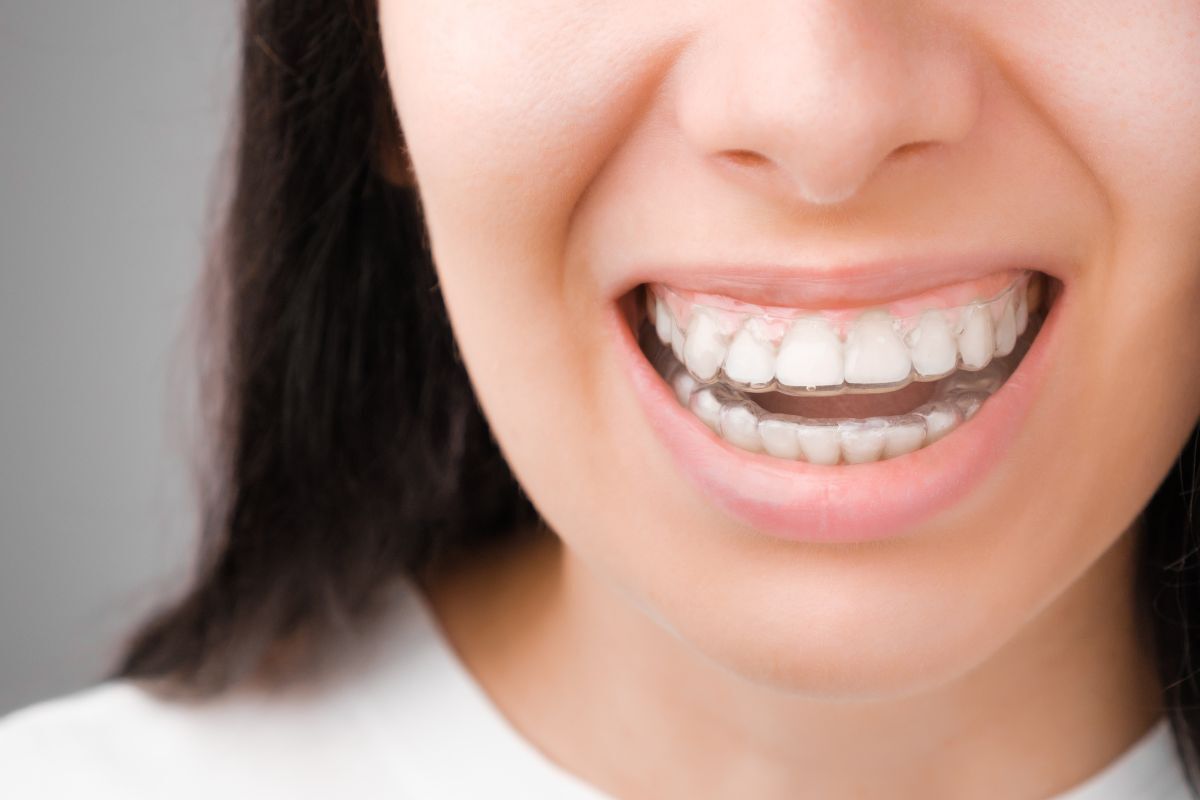
Most patients should wear Invisalign aligners for 20 to 22 hours each day, taking them out only to:

  • Eat meals
  • Drink beverages other than water
  • Brush and floss
  • Clean the aligners

Leaving them out for extended periods reduces the consistent pressure needed to shift teeth.

If you frequently forget to put them back in, treatment may take much longer than originally planned.

Changing Aligners Too Early or Too Late

Every set of aligners is carefully designed to move your teeth in stages.

Changing trays earlier than instructed may prevent teeth from completing each movement.

Waiting too long to switch trays can also slow progress.

Always follow the schedule provided by your dental provider and attend regular checkups so your treatment stays on track.

Skipping Follow-Up Appointments

Even though Invisalign requires fewer office visits than traditional braces, those appointments remain important.

Your dentist checks that:

  • Teeth are moving correctly
  • Aligners fit properly
  • Attachments remain secure
  • No adjustments are needed

Missing appointments can allow small problems to become bigger ones before they’re noticed.

Eating or Drinking with Aligners In

Many patients accidentally damage their aligners by eating while wearing them.

Hard foods can:

  • Crack the plastic
  • Warp the trays
  • Affect the fit

Drinks such as:

  • Coffee
  • Tea
  • Soda
  • Sports drinks
  • Red wine

may stain the aligners or allow sugar and acids to become trapped against your teeth, increasing the risk of cavities.

Water is the only beverage that’s generally safe while wearing Invisalign.

Not Cleaning Your Aligners Properly

Dirty aligners collect bacteria, plaque, and food particles.

Poor cleaning habits may lead to:

  • Bad breath
  • Tooth discoloration
  • Gum irritation
  • Increased plaque buildup

Rinse your aligners every time you remove them and gently clean them daily using a soft toothbrush and lukewarm water. Avoid hot water because it can warp the plastic.

Ignoring Good Oral Hygiene

Straightening your teeth doesn’t replace good brushing and flossing habits.

Food trapped between your teeth can remain under the aligners for hours if you don’t brush before putting them back in.

This can increase your risk for:

  • Cavities
  • Gum disease
  • Tooth sensitivity
  • Bad breath

Maintaining excellent oral hygiene helps protect your smile throughout treatment.

The American Dental Association recommends maintaining good oral hygiene throughout orthodontic treatment to help protect your teeth and gums.

Losing or Damaging Your Aligners

Because Invisalign aligners are removable, they’re easy to misplace.

Common situations include:

  • Wrapping them in a napkin at restaurants
  • Leaving them on a tray
  • Accidentally throwing them away
  • Allowing pets to chew them

Whenever you remove your aligners, place them in their protective case.

If an aligner is lost or damaged, contact your dental office as soon as possible for guidance. Continuing treatment without the correct aligner may affect tooth movement.

Not Using Attachments or Elastics Correctly

Some Invisalign patients receive small tooth-colored attachments or are instructed to wear elastics.

These additional components help correct more complex tooth movements.

Skipping elastics or removing attachments without professional guidance may reduce treatment effectiveness and increase treatment time.

Wearing Damaged Aligners

Small cracks or bent edges may seem harmless, but damaged aligners often don’t apply pressure evenly.

Instead of forcing a damaged tray to work, contact your provider to determine whether you should move to the next aligner or replace the damaged one.

Trying DIY Fixes

If your aligners feel tight or uncomfortable, resist the temptation to trim, bend, or modify them yourself.

A poor fit could indicate that your teeth haven’t fully moved into position or that an adjustment is needed.

If you have concerns about your aligners or treatment progress, schedule a visit instead of attempting a home fix.

For patients considering Invisalign Jacksonville treatment, professional monitoring is one of the best ways to keep your smile progressing safely. Learn more about treatment options on the practice’s Invisalign page.

What Should You Do If Your Invisalign Treatment Falls Behind?

If you think your treatment isn’t progressing as expected, don’t panic. The sooner you address the issue, the easier it is to get back on track.

Here are a few steps you can take:

  • Wear your aligners for the recommended 20–22 hours each day.
  • Switch to a new set of aligners only when instructed.
  • Keep all scheduled dental appointments.
  • Brush and floss before putting your aligners back in.
  • Contact your dentist if an aligner is lost, cracked, or no longer fits properly.

Trying to fix the problem on your own can make treatment take even longer. Your dentist can evaluate your progress and recommend the best next step.

Tips to Stay on Schedule with Invisalign

Building a few simple habits can help you avoid delays and make treatment as smooth as possible.

  • Set reminders on your phone to put your aligners back in after meals.
  • Always carry your aligner case when you’re away from home.
  • Keep a travel toothbrush and toothpaste with you.
  • Clean your aligners every day to prevent stains and bacteria buildup.
  • Follow your wear schedule consistently, even on weekends or while traveling.
  • Attend every follow-up visit to make sure your treatment is progressing as planned.

Small, consistent habits often make the biggest difference in achieving the results you want.

When Should You Contact Your Dentist?

Reach out to your dental office if you notice any of the following:

  • Your aligners no longer fit properly.
  • An aligner cracks or breaks.
  • You lose a tray.
  • An attachment comes off.
  • You experience persistent pain that doesn’t improve after a few days.
  • You accidentally skipped wearing your aligners for an extended period.

Prompt attention can help prevent unnecessary delays and keep your treatment moving in the right direction.

Why Professional Guidance Matters

Invisalign treatment is customized for each patient. Every aligner is designed to move your teeth in a specific sequence, and regular monitoring helps ensure everything is progressing as planned.

Whether you’re just beginning treatment or already wearing aligners, working with an experienced provider gives you the confidence that your smile is moving safely and efficiently. If you’re looking for reliable local dental care or a family dentist in Jacksonville, choosing a team that closely monitors your progress can make all the difference.

Take the Next Step Toward a Healthier Smile

If you have questions about your aligners or are thinking about starting Invisalign treatment, A Beautiful Smile, The Office of Dr. Gina Mancini is here to help. Our team provides personalized care for patients throughout Jacksonville, NC, and takes the time to ensure your treatment stays on schedule.

Call (910) 347-9100 today to schedule your consultation and learn how Invisalign can help you achieve a healthier, more confident smile.

Frequently Asked Questions

1. What is the most common mistake people make with Invisalign?

The most common Invisalign mistakes that delay results include not wearing aligners for 20–22 hours a day, skipping appointments, changing trays too early, and poor oral hygiene.

2. Can missing a few days of Invisalign delay treatment?

Yes. Even a few days without wearing your aligners can affect tooth movement. Depending on how long they’ve been out, your dentist may recommend wearing your current aligners longer or adjusting your treatment schedule.

3. Can I drink coffee while wearing Invisalign?

It’s best to remove your aligners before drinking coffee, tea, soda, or other beverages besides water. Hot drinks can warp the plastic, while dark-colored beverages may stain the aligners and increase the risk of tooth decay.

4. What should I do if I lose an Invisalign tray?

Contact your dentist as soon as possible. They will let you know whether to wear your previous aligner, move to the next one, or order a replacement based on your treatment progress.

5. How can I make sure my Invisalign treatment stays on schedule?

Wear your aligners for 20–22 hours daily, clean them regularly, maintain good oral hygiene, switch trays only when instructed, and attend every follow-up appointment. Following these guidelines helps keep your treatment progressing as planned.


 

Woman with toothache holding her cheek in pain at her desk, experiencing dental discomfort.

Severe Toothache? What to Do Before You Reach an Emergency Dentist in Jacksonville

A severe toothache has a way of disrupting everything. It can make it difficult to eat, sleep, focus at work, or enjoy time with family. While some tooth discomfort may come and go, intense dental pain often signals an underlying problem that requires prompt attention.

Many people search online for answers when a toothache suddenly worsens, especially after hours or on weekends. Understanding what may be causing the pain and knowing how to respond can help protect your oral health until you can receive professional care.

If you are experiencing significant dental pain, a trusted dentist in Jacksonville can evaluate the source of the problem and recommend the appropriate treatment before complications develop.

Why Does a Severe Toothache Happen?

A toothache is not a condition itself. It is a symptom that something is affecting the tooth, gums, or surrounding tissues.

Some of the most common causes include:

  • Deep tooth decay
  • Dental abscesses
  • Cracked or fractured teeth
  • Advanced gum disease
  • Exposed tooth roots
  • Damaged fillings or crowns
  • Impacted wisdom teeth
  • Dental trauma from sports or accidents

Pain can range from a dull ache to sharp, throbbing discomfort. In some cases, it may spread to the jaw, ear, neck, or surrounding facial areas.

Because different dental conditions can produce similar symptoms, professional evaluation is essential to identify the exact cause.

Understanding When a Toothache Becomes a Dental Emergency

Not every toothache requires the same-day treatment, but some symptoms should never be ignored. Seek immediate dental care if you experience:

Severe, Persistent Pain

Pain that lasts for several hours or continues worsening often indicates an infection or nerve involvement.

Facial Swelling

Swelling around the jaw, gums, cheeks, or face may signal a dental abscess. Dental infections can spread quickly and become serious if left untreated.

Fever Alongside Dental Pain

A fever combined with a toothache can indicate an active infection requiring urgent treatment.

Difficulty Swallowing or Breathing

This is a medical emergency that demands urgent attention. Significant swelling can affect the airway and should never be ignored.

Pus or Bad-Tasting Drainage

These are common signs of an abscessed tooth and often indicate an infection beneath the gums.

When these symptoms occur, contacting an emergency dentist in Jacksonville as soon as possible can help prevent more extensive treatment later.

What Should You Do Immediately After a Severe Toothache Starts?

While waiting to see a dental professional, there are several steps you can take to manage discomfort safely.

Rinse With Warm Salt Water

A mild saltwater rinse can help decrease bacteria and calm irritated tissues.

Mix:

  • ½ teaspoon of salt
  • 8 ounces of warm water

Swish gently and spit out the solution.

Floss Carefully

Food particles trapped between teeth can sometimes trigger pain or increase pressure around an inflamed area.

Use floss gently without forcing it between sensitive teeth.

Apply a Cold Compress

If swelling is present, place a cold compress against the outside of the cheek for 15 to 20 minutes at a time.

This may help reduce inflammation and provide temporary relief.

A person gently applies a cold compress to the side of their face to reduce swelling and relieve tooth pain while waiting to see an emergency dentist in Jacksonville, NC.

Use Over-the-Counter Pain Relief

Non-prescription pain medications may help reduce discomfort when used according to package directions.

Always follow the manufacturer’s instructions and consult your physician if you have medical conditions or take other medications.

What Should You Avoid During a Dental Emergency?

Certain actions can make the situation worse.

Avoid:

  • Applying aspirin directly to the gums
  • Poking the affected tooth with sharp objects.
  • Ignoring swelling or fever
  • Consuming extremely hot or cold foods
  • Biting on the area of the mouth that is painful
  • Delaying treatment when symptoms continue worsening

Many serious dental infections begin with symptoms that seem manageable at first. Early intervention by a proficient emergency dentist in Jacksonville typically leads to more straightforward, predictable treatment paths.

Could a Toothache Mean You Need a Root Canal?

One of the most common concerns patients have during a dental emergency is whether they may need root canal treatment.

A root canal may be recommended when the pulp inside the tooth becomes infected or inflamed.

Possible signs include:

  • Severe lingering pain
  • Sensitivity that lasts after eating or drinking
  • Swollen gums near the tooth
  • Darkening of the tooth
  • Pain when biting down
  • A recurring pimple-like bump on the gums

Modern root canal therapy is designed to remove infection while preserving the natural tooth whenever possible.

An examination and dental imaging can determine whether root canal treatment is necessary.

Can a Toothache Go Away on Its Own?

Sometimes pain may temporarily decrease, but that does not necessarily mean the problem has resolved.

In fact, a sudden decrease in pain can sometimes mean that the nerve within the tooth has died. While the discomfort may lessen, infection can continue spreading beneath the surface.

Common dental problems rarely heal without professional treatment.

Waiting too long may increase the likelihood of needing more extensive procedures, including extractions or more complex restorative care.

How Jacksonville Residents Can Reduce Their Risk of Dental Emergencies

Although some emergencies occur unexpectedly, many can be prevented through routine dental visits to a reliable dentist in Jacksonville and healthy habits.

Consider the following preventive measures:

Maintain Regular Dental Visits

Routine examinations help identify cavities, cracked teeth, and gum disease before they become painful emergencies.

Wear a Mouthguard for Sports

Athletes participating in contact sports should use a properly fitted mouthguard to help protect teeth from injury.

Address Small Problems Early

Minor cavities and damaged fillings are often easier and less costly to treat before they become emergencies.

Practice Good Oral Hygiene

Daily brushing and flossing help reduce the risk of decay and infection.

Avoid Using Teeth as Tools

Opening packages or biting hard objects can lead to fractures and dental trauma.

For families throughout Jacksonville and nearby communities such as Richlands, Half Moon, Piney Green, and Hubert, preventive dental care remains one of the best ways to avoid unexpected dental pain.

What Happens During an Emergency Dental Visit?

Many patients feel anxious when they need urgent dental treatment because they are unsure what to expect.

During an emergency appointment, the dental team typically will:

  • Review your symptoms and medical history
  • Examine the affected area
  • Take the necessary dental images
  • Diagnose the underlying cause
  • Discuss treatment options
  • Provide pain relief and appropriate care

The goal is not only to relieve discomfort but also to address the source of the problem to prevent future complications.

Don’t Ignore a Severe Toothache

A severe toothache is your body’s way of signaling that something needs attention. Whether the cause is decay, infection, trauma, or another dental condition, early treatment can help protect your oral health and prevent more serious complications.

At A Beautiful Smile, The Office of Dr. Gina Mancini, patients receive compassionate care when unexpected dental problems arise. If you are experiencing persistent dental pain, swelling, or other urgent symptoms, our trusted dentist in Jacksonville can help determine the cause and provide timely treatment. When immediate attention is needed, contact us to restore comfort and protect your smile. Call +1 (910) 347-9100 to schedule an appointment us.

Frequently Asked Questions

How do I know if my toothache is serious?

If pain is severe, persistent, accompanied by swelling, fever, or difficulty chewing, it should be evaluated by a dental professional as soon as possible.

Can a dental abscess go away without treatment?

No. Dental abscesses typically require professional care. Left untreated, the infection can spread to other areas of the body.

Should I go to the emergency room for a toothache?

Most toothaches are best treated by a dentist. However, difficulty breathing, severe swelling, or signs of a spreading infection may require emergency medical attention.

How quickly should I see a dentist for severe tooth pain?

You should contact a dental office as soon as possible. Early treatment often prevents complications and reduces the need for more extensive procedures.

What is the most common cause of emergency dental visits?

Severe toothaches caused by decay, infection, cracked teeth, and dental trauma are among the most common reasons patients seek emergency dental care.

Can an emergency dentist save a damaged tooth?

In many cases, yes. Prompt treatment can often preserve a natural tooth through procedures such as fillings, crowns, or root canal therapy.

Dental hygienist examining patient's teeth during professional cleaning appointment.

Signs Your Family May Be Overdue for a Dental Cleaning

Busy schedules can make it easy to postpone routine dental visits. Between work, school activities, and daily responsibilities, many families delay cleanings longer than they realize. Unfortunately, skipping regular dental care may allow small oral health problems to become more noticeable over time.

Professional cleanings do more than polish teeth. They help remove plaque buildup, monitor gum health, and identify concerns before they become more serious. Knowing the warning signs can help your family stay on track with preventive dental care.

If you have been searching for family dentistry Jacksonville services, understanding when it may be time for a dental cleaning can help protect your family’s long-term oral health.

Why Routine Dental Cleanings Matter

Even with good brushing and flossing habits, plaque and tartar can still build up in hard-to-reach areas of the mouth. Over time, this buildup may increase the risk of cavities, gum irritation, and bad breath.

Routine cleanings help maintain healthier teeth and gums while allowing your dentist to monitor changes in oral health before symptoms worsen.

Preventive dental care is especially important for children, since regular visits can help build healthy habits and reduce anxiety about future appointments.

Persistent Bad Breath

A woman checks her breath with concern, illustrating how persistent bad breath may be a sign of underlying oral health issues that should be evaluated by a dental professional.

Occasional bad breath can happen after certain foods, but ongoing bad breath may be a sign that plaque and bacteria are building up around the teeth and gums.

When bacteria remain in the mouth for long periods, brushing alone may not fully remove the problem. Professional cleanings help remove hardened tartar and reduce bacteria that contribute to unpleasant breath.

If mouthwash and brushing are not improving the issue, it may be time to schedule a dental cleaning.

Bleeding Gums While Brushing or Flossing

Healthy gums should not regularly bleed during brushing or flossing.

Gum irritation and bleeding are often early signs of inflammation caused by plaque buildup along the gumline. Left untreated, this can gradually progress into more advanced gum disease.

Many patients ignore minor bleeding because it does not always cause pain immediately. However, early treatment is usually simpler than waiting for symptoms to worsen.

Tooth Sensitivity or Discomfort

Sensitivity to cold drinks, sweets, or hot foods may sometimes indicate plaque buildup, enamel wear, or developing cavities.

A dental cleaning and exam can help identify the source of discomfort before it becomes more serious. In some cases, patients may not notice visible damage even when early decay is present.

Visible Plaque or Tartar Buildup

Plaque is a sticky film that forms on teeth throughout the day. If it is not removed consistently, it can harden into tartar, which cannot be removed with brushing alone.

You may notice:

  • Yellow buildup near the gumline
  • Rough areas on teeth
  • Staining between teeth
  • A fuzzy feeling even after brushing

Professional cleanings help remove tartar safely and thoroughly.

It Has Been More Than Six Months Since Your Last Visit

Many dentists recommend routine cleanings approximately every six months, although some patients may need more frequent care depending on their oral health needs.

If your family cannot remember the last dental cleaning appointment, it may be a good time to schedule a checkup.

Regular visits help monitor:

  • Cavities
  • Gum health
  • Tooth development in children
  • Existing dental work
  • Early signs of oral health problems

Children Are Complaining About Tooth Pain

A young child holds their cheek in discomfort, highlighting how tooth pain in children can signal cavities, infections, or other dental issues that require prompt professional attention.

Children may not always explain dental discomfort clearly. Complaints about tooth sensitivity, chewing discomfort, or avoiding certain foods could indicate cavities or other developing concerns.

Family dental visits allow dentists to monitor oral development and catch small issues early before treatment becomes more involved.

Our office focuses on family-friendly dental care designed for both children and adults.

Your Teeth No Longer Feel Clean After Brushing

One subtle sign many people notice is that their teeth no longer feel smooth or clean, even after brushing and flossing.

This sensation is often linked to tartar accumulation that requires professional removal. A routine cleaning can help restore a fresher, cleaner feeling throughout the mouth.

Preventive Dental Care for the Whole Family

Preventive care plays an important role in maintaining long-term oral health for both adults and children.

Families often benefit from having one trusted dental office where appointments, dental records, and ongoing care can be managed more conveniently.

Patients looking for family dentistry in Jacksonville often prioritize preventive care that supports comfort, education, and consistent oral health habits over time.

Local Dental Care in Jacksonville, NC

If you live in Jacksonville and your family has been delaying dental cleanings, scheduling preventive care now may help avoid more complicated dental issues later.

A Beautiful Smile, The Office of Dr. Gina Mancini provides family-focused dental care for children, teens, and adults in Jacksonville, North Carolina. The practice offers preventive dental services in a comfortable environment designed around long-term oral health and patient care.

Schedule Your Family’s Dental Cleaning

Routine cleanings are one of the simplest ways to support healthier teeth and gums for the entire family. Addressing small concerns early may help reduce the risk of more extensive treatment in the future.

If your family is overdue for a dental cleaning, call +1 (910) 347-9100 to schedule an appointment with us.

FAQs

How often should my family get dental cleanings?

Many patients benefit from dental cleanings every six months, although some individuals may require more frequent visits.

What happens during a routine dental cleaning?

A cleaning usually includes plaque and tartar removal, polishing, and a dental examination to monitor oral health.

Why are my gums bleeding when I brush?

Bleeding gums are often linked to plaque buildup and gum inflammation near the gumline.

Can children get professional dental cleanings?

Yes. Regular dental cleanings are important for children to support healthy oral development and cavity prevention.

Is bad breath a sign I need a dental cleaning?

Persistent bad breath may sometimes indicate plaque buildup, tartar accumulation, or gum irritation that should be professionally evaluated.


Woman holding clear dental aligner and smiling, showcasing discreet orthodontic treatment option.

Discreet Ways to Improve Your Smile Without Braces

Many adults want to improve their smile but feel hesitant about wearing traditional braces. Some people are concerned about how metal brackets might look at work or social events, while others just want a more subtle way to enhance their smile.
The good news is, braces aren’t the only way to improve your smile anymore. Today’s cosmetic dentistry offers several subtle treatments that can help fix gaps, crowding, uneven teeth, and other concerns—without the look of old-fashioned metal braces.
If you’re looking into Invisalign in Jacksonville or searching for a trusted local dentist, learning about these treatments can help you choose the best option for your lifestyle and smile goals.

Why Adults Look for Alternatives to Braces

Traditional braces can effectively straighten teeth, but many adults prefer treatments that are less noticeable in everyday life.
Common reasons patients explore alternative options include:
  • Concerns about appearance
  • Professional or social confidence
  • Comfort during treatment
  • Easier oral hygiene routines
  • Fewer food limitations
Modern cosmetic dentistry isn’t just about function—it’s about making sure your treatment feels comfortable and natural, especially for adults.

Invisalign Aligners

Invisalign is one of the most common alternatives to traditional braces. Instead of brackets and wires, Invisalign uses a series of custom-made clear aligners that gradually shift teeth into better alignment.
The aligners are made to fit comfortably over your teeth and are much less noticeable than traditional braces.
Patients interested in discreet orthodontic care often explore Invisalign in Jacksonville because the aligners can be removed while eating, brushing, and flossing.

Why Adults Consider Invisalign

Many adults like Invisalign because it fits easily into everyday routines.
Some commonly discussed benefits include:
  • Clear aligners with a subtle appearance
  • Removable trays for meals
  • Easier brushing and flossing
  • No metal wires or brackets
  • Gradual smile improvement over time
Treatment recommendations vary depending on the condition of the teeth and bite alignment.

Cosmetic Bonding for Small Smile Corrections

Some cosmetic concerns do not require orthodontic treatment. Dental bonding may help improve small imperfections by using a tooth-colored resin material that is shaped directly onto the teeth.
Bonding is sometimes used to improve:
  • Minor chips
  • Small gaps
  • Uneven edges
  • Slight discoloration
  • Worn enamel areas
Because the material matches your other teeth, bonding can give you a natural-looking smile.

Teeth Whitening for a Cleaner, Brighter Smile

Tooth discoloration can make teeth appear older or less healthy, even when alignment is not a major concern.
Professional whitening treatments are often chosen by patients who want to improve smile brightness while maintaining a natural appearance.
Unlike store-bought products, professional whitening is customized for your smile and your level of staining.
For some patients, whitening alone can lead to a noticeable improvement in overall smile confidence.

Veneers for Cosmetic Smile Enhancement

Dental veneers are thin porcelain coverings placed over the front surface of teeth to improve appearance.
Veneers may be recommended for concerns involving:
  • Uneven tooth shape
  • Surface stains
  • Minor spacing issues
  • Small alignment concerns
  • Worn or chipped teeth
Because veneers are made just for you, they can create a balanced, natural-looking smile that still looks subtle.

Choosing the Right Cosmetic Option

Dentist helping a smiling patient evaluate cosmetic dental treatment results while looking in a hand mirror during a consultation.

Not every cosmetic treatment is right for every patient. The best option depends on factors like oral health, alignment concerns, lifestyle, and long-term smile goals.
Some patients may benefit from Invisalign, while others may see improvement through cosmetic bonding, whitening, or veneers.
A dental consultation helps you find the best approach for your needs—instead of just following trends.

The Importance of a Natural-Looking Smile

One thing many adult patients have in common is the desire for results that do not look overly artificial or obvious.
Modern cosmetic dentistry often focuses on:
  • Natural tooth appearance
  • Balanced smile design
  • Conservative cosmetic improvements
  • Long-term oral health support
Small changes can boost your confidence and still keep your smile looking natural and comfortable.

Local Cosmetic Dental Care in Jacksonville

Working with a local dental office allows patients to receive personalized recommendations based on their smile concerns and oral health needs.
If you live in Jacksonville and are thinking about Invisalign or other cosmetic dental treatments, A Beautiful Smile, The Office of Dr. Gina Mancini offers care that’s focused on your comfort, appearance, and long-term oral health.
Choosing a trusted dentist in Jacksonville also makes follow-up care and treatment monitoring more convenient throughout the process.

Schedule a Cosmetic Dentistry Consultation

You don’t always need traditional braces to improve your smile. Today’s cosmetic dentistry gives you several subtle options that can enhance your teeth and fit right into your daily life.
If you are interested in Invisalign Jacksonville treatment or want to learn more about cosmetic smile solutions, scheduling a consultation is a good first step toward understanding your options.
Call (910) 347-9100 to schedule your appointment with us.

FAQs

Is Invisalign less noticeable than traditional braces?
Yes. Invisalign aligners are clear and designed to be less visible than metal braces.
Can adults use Invisalign?
Yes. Many adults choose Invisalign because it offers a more discreet orthodontic treatment option.
Are veneers used to straighten teeth?
Veneers can improve the appearance of minor alignment concerns, but they do not physically move teeth like orthodontic treatment.
How do I know which cosmetic treatment is right for me?
A dental consultation can help determine which treatment best matches your oral health condition and cosmetic goals.
Can cosmetic dentistry improve confidence?
Many patients feel more comfortable smiling, speaking, and socializing after improving the appearance of their teeth.
Child experiencing tooth pain while eating a sandwich, illustrating dental emergencies.

What to Do If You Break a Tooth While Eating

Biting into a meal should not suddenly end with sharp pain, bleeding, or part of a tooth breaking off. Unfortunately, cracked or broken teeth can happen unexpectedly, sometimes while eating foods that do not even seem especially hard.

Many people panic when this happens because they are unsure whether the damage is serious or what steps they should take first. In some cases, a small chip may only cause mild sensitivity, while larger breaks can expose nerves, create severe pain, or increase the risk of infection.

Knowing how to respond quickly after breaking a tooth may help protect the damaged area and reduce the chance of further complications before professional treatment.

Step 1: Stay Calm and Check the Damage

The first thing to do is carefully examine the tooth if possible.

A broken tooth may involve:

  • A small chip
  • A cracked tooth
  • A large missing section
  • A loose fragment
  • Bleeding around the gums

Some people feel immediate pain, while others notice sensitivity only when eating or drinking.

If you can safely locate the broken piece of tooth, save it and bring it to the dental appointment if recommended.

Step 2: Rinse Your Mouth Gently

After a tooth breaks, rinse your mouth carefully using warm water.

This helps:

  • Remove debris
  • Clean the area
  • Reduce irritation
  • Wash away blood if present

Saltwater rinses may also help soothe irritated tissue temporarily.

Quick Saltwater Rinse:

Mix:

  • Half a teaspoon of salt
  • One cup of warm water

Swish gently without aggressive pressure.

Step 3: Stop Any Bleeding

Minor bleeding sometimes occurs after a broken tooth, especially if surrounding gums are irritated.

If bleeding continues:

  • Apply gentle pressure using clean gauze
  • Hold for several minutes
  • Avoid excessive rinsing immediately afterward

Persistent bleeding should always be evaluated professionally.

Avoid Chewing on the Damaged Side

A broken tooth becomes more vulnerable to additional damage after the structure weakens.

Until you see a dentist:

  • Avoid chewing on that side
  • Choose soft foods
  • Avoid hard or crunchy foods
  • Stay away from sticky candy
  • Avoid extremely hot or cold drinks if sensitive

Pressure on a cracked tooth may worsen the fracture.

Use a Cold Compress if Swelling Develops

Some patients develop swelling or soreness around the cheek or jaw after dental trauma.

Use a Cold Compress if Swelling Develops

A cold compress may help reduce:

  • Swelling
  • Inflammation
  • Temporary discomfort

Helpful Tips:

  • Apply for 15–20 minutes
  • Wrap ice in cloth
  • Take breaks between applications

Avoid placing ice directly on the tooth itself.

Why Teeth Sometimes Break While Eating

Many people assume a healthy tooth should never crack during a normal meal. However, teeth may weaken over time for several reasons.

Common Causes Include:

  • Untreated cavities
  • Old fillings
  • Teeth grinding
  • Previous dental injuries
  • Chewing hard foods
  • Enamel wear
  • Large restorations weakening the tooth

Sometimes even softer foods can trigger a fracture if the tooth is already compromised internally.

Symptoms You Should Never Ignore

Not every broken tooth causes severe pain immediately. However, certain symptoms suggest deeper damage involving the nerve or root.

Seek prompt dental care if you notice:

  • Sharp pain
  • Swelling
  • Sensitivity to temperature
  • Bleeding
  • Difficulty chewing
  • A loose tooth fragment
  • Pain that worsens over time

A cracked or broken tooth may allow bacteria to enter the inner tooth structure if untreated.

What Happens If You Wait Too Long?

Some patients delay treatment because the pain feels manageable at first. Unfortunately, untreated fractures can become more serious over time.

Potential complications may include:

  • Infection
  • Nerve damage
  • Larger fractures
  • Gum irritation
  • Tooth loss

Even small cracks may gradually spread with daily chewing pressure.

Early treatment often improves the chance of saving the tooth.

Common Treatments for a Broken Tooth

Treatment depends on how severe the break is and whether the inner tooth structures are affected.

Possible treatment options may include:

  • Dental bonding
  • Fillings
  • Dental crowns
  • Root canal therapy
  • Veneers
  • Tooth extraction in severe cases

Minor chips may require simple cosmetic repair, while larger fractures may involve more advanced restorative treatment.

Is a Broken Tooth a Dental Emergency?

Some broken teeth require immediate emergency treatment, especially if:

  • Severe pain develops
  • The nerve is exposed
  • Swelling occurs
  • Bleeding continues
  • The tooth becomes loose

Throughout Jacksonville and nearby North Carolina communities, many patients seek urgent care after sudden dental injuries during meals, sports, or accidents.

Patients searching for an emergency dentist in jacksonville are often looking for fast treatment to relieve discomfort, stabilize the damaged tooth, and prevent additional complications.

Prompt evaluation helps determine whether the tooth can be repaired or if further treatment is necessary.

Tips to Help Prevent Broken Teeth

While accidents cannot always be avoided, certain habits may help reduce the risk of dental fractures.

Helpful Prevention Tips:

  • Avoid chewing ice
  • Do not use teeth to open packaging
  • Wear mouthguards during sports
  • Treat teeth grinding early
  • Schedule routine dental checkups
  • Address cavities promptly

Healthy enamel and early dental care often help strengthen teeth against fractures.

Don’t Ignore a Broken Tooth

Even if discomfort seems minor initially, a broken tooth should always be professionally evaluated. Small cracks and chips may worsen over time without treatment, especially when exposed to daily chewing pressure.

If you break a tooth while eating or experience sudden dental pain, contact A Beautiful Smile, The Office of Dr. Gina Mancini to schedule prompt dental care and protect your oral health.

FAQs

1. What should I do immediately after breaking a tooth?

Rinse your mouth gently, save any broken pieces if possible, and avoid chewing on the damaged side.

2. Can a broken tooth heal on its own?

No. Broken teeth usually require dental treatment to prevent worsening damage or infection.

3. Is a chipped tooth always an emergency?

Small chips may not require urgent care, but larger fractures, pain, or swelling should be evaluated quickly.

4. Why would a tooth suddenly break while eating?

Teeth may weaken because of cavities, grinding, old fillings, or previous damage.

5. Can a dentist repair a broken tooth?

Yes. Many broken teeth can be restored using bonding, crowns, fillings, or other dental treatments depending on the damage.


Happy multi-generational family smiling together on couch, representing pediatric and adult dental care.

Dental Care For Kids vs Adults: What Changes And Why It Matters

Dental care isn’t something that stays the same year after year. Your teeth, gums, and habits all change over time, and your oral care routine needs to keep up.

In Jacksonville, life often revolves around a mix of coastal relaxation and busy schedules. Whether you’re taking a quiet walk at Lejeune Memorial Gardens or heading out toward Hammocks Beach State Park for the weekend, it’s easy for routines to shift. 

That’s exactly why family dentistry in Jacksonville plays such an important role. It helps ensure that every stage of life gets the right level of care, no matter how your lifestyle changes.

So what actually changes with your dental health over time, and why should you care?

How Oral Needs Evolve Over Time?

Your teeth go through several stages, and each stage comes with its own challenges.

In the early years, teeth are still developing. Enamel is thinner, and the risk of decay is higher. Brushing habits are also still forming, which can make consistency difficult.

As you move into adulthood, the focus shifts. Teeth are fully developed, but they face daily wear from chewing, grinding, and exposure to different foods.

Over time, you may notice:

  • Increased sensitivity to hot or cold foods
  • Gradual enamel wear from years of use
  • Higher chances of plaque buildup
  • Changes in gum health

These natural changes explain why tooth care should never be “one-size-fits-all.”

The Foundation Years: The Early Years That Shape Your Child’s Smile 

Many parents assume baby teeth don’t matter much because they fall out anyway. That’s one of the most common and costly misconceptions in oral care.

Baby teeth hold space in the jaw for permanent teeth. When they’re lost too early due to decay, neighboring teeth drift. That leads to crowding, misalignment, and expensive orthodontic work down the road.

The Foundation Years The Early Years That Shape Your Childs Smile

What’s different about young smiles:

  • Enamel is thinner. Primary teeth have thinner enamel than permanent ones, making them more vulnerable to cavities. Even small amounts of sugar can cause damage faster.
  • Cavity risk is higher. The American Academy of Pediatric Dentistry reports that tooth decay is the most common chronic childhood disease in the U.S., five times more common than asthma.
  • Fluoride needs are specific. Too little fluoride increases cavity risk. Too much before age 8 can cause fluorosis, white spots or streaks on developing permanent teeth. Thus, the dosage matters.
  • First dental visit should happen early. The American Dental Association recommends a first dental visit by the first birthday or within six months of the first tooth appearing.

The Teenage Years: A Whole New Set Of Challenges

Adolescence brings permanent teeth, hormonal changes, and, honestly, less-than-ideal brushing habits. This stage requires a different kind of vigilance.

Hormonal shifts during puberty can cause gum inflammation, even in teenagers who brush regularly. This is sometimes called “puberty gingivitis,” and it’s more common than most parents know. It typically resolves with consistent care, but if left untreated, it can progress to gum disease.

Teens also face unique risks:

  • Orthodontic care is most common during these years. Braces or aligners require more precise cleaning to avoid decay around brackets.
  • Wisdom teeth begin forming. Early monitoring through X-rays helps dentists plan ahead and prevent future pain or crowding.
  • Sports injuries are a real concern. A custom mouthguard, not a generic drugstore version, significantly reduces the risk of broken or knocked-out teeth.

Adulthood: Maintenance, Prevention, And Watching For New Threats

Once permanent teeth are in place, the goal shifts from development to preservation. But that doesn’t mean grown-ups’ oral care is simpler. A trusted dentist in Jacksonville will tell you that many adults unknowingly grind their teeth at night, a condition called bruxism. It’s often linked to stress, and it silently wears down enamel over months and years. Busy professionals, parents juggling schedules, and active retirees are all susceptible.

Key changes in seniors’ oral health:

  • Gum disease becomes the primary concern. The CDC estimates nearly half of grown-ups over 30 have some form of periodontal disease. It’s the leading cause of tooth loss in elders, not cavities.
  • Dry mouth increases with age. Many prescription medications list dry mouth as a side effect. Saliva is your mouth’s natural defense against bacteria. Less saliva means a higher risk of decay, even with good brushing habits.
  • Root sensitivity develops. As gum tissue naturally recedes with age, tooth roots become exposed. This leads to the sensitivity.
  • Oral cancer screening becomes essential. Dentists screen for early signs of oral cancer during routine exams. Catching it early significantly improves outcomes. Individuals over 40 are at higher risk, especially with tobacco or alcohol use.

Senior Dental Health: Often Overlooked But Always Important

Many older adults believe that tooth care matters less once they’ve kept their teeth this long. However, the truth is quite the opposite. Oral health in later years is closely tied to overall health in ways that continue to surprise researchers.

Studies have linked untreated periodontal disease to increased risk of heart disease, diabetes complications, and even certain respiratory conditions. 

Senior Dental Health Often Overlooked But Always Important

What to watch for:

  • Loose-fitting dentures that cause sore spots or difficulty eating
  • Dry mouth from medications (over 400 common drugs cause it)
  • Darkening teeth, which can signal decay beneath the surface
  • Changes in bite or jaw alignment

Annual routine visits are not optional at this stage. They’re one of the most effective health decisions a senior can make.

Why Understanding These Changes Matters?

When you understand how your oral needs evolve, you can take a more proactive approach to care. Instead of reacting to problems, you can prevent them.

Ignoring these changes can lead to:

  • Higher risk of tooth decay
  • Ongoing gum issues
  • More complex and costly treatments

Staying informed helps you stay in control of your oral health.

Why A One-Size Approach Doesn’t Work?

It’s easy to assume that brushing and flossing the same way will always be enough. While these habits are essential, they don’t cover everything. Your tooth health needs change based on age, lifestyle, and overall health. What worked five years ago may not be enough today. Personalized care helps fill that gap. It ensures your routine aligns with your current needs rather than relying on outdated habits.

Building A Routine That Grows With You

A strong oral care routine should evolve as your life changes. Start with the basics:

  • Brush twice daily using fluoride toothpaste
  • Floss regularly
  • Maintain consistent dental visits

Then adjust your routine over time:

  • Use products made for sensitivity if needed
  • Pay closer attention to gum care
  • Address habits like grinding or clenching early

In Jacksonville, where life moves between laid-back beach days and active schedules, flexibility is key. A routine that adapts is easier to maintain over the long term.

One Aspect That Never Changes: Prevention Wins Every Time

Across every age group, the evidence is clear that prevention is always cheaper, less painful, and more effective than treatment. Twice-daily brushing, daily flossing, limiting sugary drinks, and regular professional cleanings form the foundation of healthy teeth at any age. Whether you’re scheduling your junior’s first appointment, keeping up with your teenager’s ortho check-ins, or managing your own gum health, partnering with our reliable family dentistry in Jacksonville means your child and your family get care that actually helps. Because a healthy smile isn’t just about looking good. Contact us now! 

Frequently Asked Questions (FAQs) 

Q. How often should I schedule dental checkups for my family?

Most dental professionals recommend visits every six months for routine exams and cleanings. However, some individuals may need more frequent visits based on their oral health, risk of gum disease, or history of cavities.

Q. When should a child first visit the dentist?

The American Dental Association recommends a first dental visit by age one or when the first tooth appears. Early visits help monitor development, prevent issues, and make dental care feel familiar and comfortable.

Q. Is an electric toothbrush better than a manual toothbrush?

Electric toothbrushes can be more effective at removing plaque, especially for those who struggle with proper brushing technique. However, a manual toothbrush can still work well if used correctly and consistently with proper technique.

Q. How does oral health affect overall health?

Oral health is closely linked to overall health. Conditions like gum disease have been associated with heart disease, diabetes, and inflammation. Maintaining good oral hygiene supports both your smile and your general well-being.

Q. Can diet really impact dental health long-term?

Yes, diet plays a major role in oral health. Frequent sugar intake feeds harmful bacteria, while nutrient-rich foods help strengthen enamel and support gum health over time.

Q. Why do some people get cavities more easily than others?

Cavity risk depends on several factors, including genetics, diet, oral hygiene habits, and saliva production. Some individuals naturally have a higher risk and may need more preventive care and monitoring.


Dentist examining patient's mouth during oral exam in Jacksonville dental office.

What Happens If You Avoid the Dentist for Too Long?

Most people do not plan to avoid the dentist for years.

Life simply gets busy. Work schedules fill up, kids’ activities take priority, and dental appointments slowly move lower on the to-do list. Sometimes people delay visits because nothing hurts yet. Others avoid going because of anxiety, embarrassment, or the assumption that small problems can wait a little longer.

The issue is that many dental problems develop quietly.

A cavity may start small without causing pain. Gum disease can progress gradually without obvious symptoms. By the time discomfort appears, the problem is often more advanced than patients expected.

Regular dental visits are designed to catch these issues early before they become more painful, stressful, or difficult to treat. Many people throughout Jacksonville and nearby coastal North Carolina communities eventually schedule a dental appointment after noticing changes they can no longer ignore — like sensitivity, bleeding gums, bad breath, or discomfort while eating.

For patients searching online for a trusted dentist Jacksonville NC residents rely on for preventive care, understanding the risks of delaying treatment can help explain why routine dental visits matter so much long term.

Plaque and Tartar Continue Building Up

Even people who brush and floss every day still develop plaque over time.

Plaque is a sticky film of bacteria that forms naturally on teeth. When it is not removed regularly through professional cleanings, it hardens into tartar.

Once tartar develops, it cannot be removed with brushing alone.

Over time, this buildup may lead to:

  • Yellowing or staining
  • Bad breath
  • Gum irritation
  • Increased bacteria around the teeth and gums

Professional dental cleanings help remove these deposits before they begin causing more serious oral health concerns.

Cavities Usually Get Worse — Not Better

One common misconception is that cavities always cause immediate pain.

In reality, many cavities begin silently. A tooth may look and feel normal while decay slowly spreads underneath the surface.

Tooth sensitivity

Without treatment, small cavities can eventually become:

  • Tooth sensitivity
  • Pain while chewing
  • Cracked teeth
  • Dental infections
  • The need for root canal treatment
  • Tooth loss

Treating a cavity early is typically far simpler than waiting until the tooth becomes painful.

Gum Disease Often Develops Slowly

Gum disease is another condition many patients do not notice right away.

Early symptoms may seem minor, including:

  • Slight bleeding while brushing
  • Swollen gums
  • Redness
  • Occasional bad breath

Because these signs may not feel urgent, people often ignore them.

However, untreated gum disease can progress and eventually damage the bone supporting the teeth. In more advanced stages, patients may experience:

  • Gum recession
  • Loose teeth
  • Chronic inflammation
  • Bone loss
  • Tooth loss

Routine exams and cleanings help identify gum disease early before permanent damage develops.

Small Problems Often Turn Into Bigger Treatments

A minor dental issue today may become a much larger procedure later if it is left untreated.

For example:

  • A small cavity may eventually require a crown
  • An untreated infection could lead to extraction
  • Minor enamel damage may worsen over time
  • Cracked teeth can become structurally weaker

Preventive care focuses on addressing concerns while treatment is still simpler and more conservative.

Many patients visiting a dental office after several years away are surprised by how much small problems progressed without obvious symptoms.

Tooth Pain Usually Means The Problem Has Advanced

Many people wait until a tooth hurts before scheduling a dental visit.

Unfortunately, pain often signals that decay or infection has already reached deeper areas of the tooth.

Persistent discomfort may indicate:

  • Infection
  • Deep decay
  • Nerve irritation
  • Cracked teeth
  • Advanced gum disease

Dental pain rarely improves permanently without treatment, even if symptoms temporarily fade.

Oral Health Can Affect Overall Health

Dental health is closely connected to overall health and wellness.

Research continues showing links between chronic oral inflammation and broader health concerns. Untreated gum disease may contribute to increased inflammation throughout the body.

Maintaining healthy teeth and gums is an important part of long-term preventive healthcare.

Dental Anxiety Often Gets Worse With Delay

Many adults avoid dental visits because of fear or previous negative experiences.

However, postponing care often creates more stress later because dental issues become larger and more intimidating over time.

Patients commonly say:

  • “I wish I came sooner.”
  • “It wasn’t nearly as bad as I expected.”
  • “I waited too long because I was nervous.”

Modern dentistry focuses heavily on patient comfort, communication, and preventive care to help make appointments less stressful.

Preventive Dental Visits Are Usually Simple

Routine dental appointments are meant to help patients stay ahead of problems before major treatment becomes necessary.

Preventive visits often include:

  • Professional cleanings
  • Dental exams
  • Digital X-rays
  • Gum evaluations
  • Preventive recommendations

These appointments help dentists identify concerns early and support long-term oral health.

Signs You Should Schedule A Dental Visit

Signs You Should Schedule A Dental Visit

It is important not to ignore symptoms like:

  • Tooth sensitivity
  • Bleeding gums
  • Bad breath
  • Tooth pain
  • Swelling
  • Loose teeth
  • Difficulty chewing
  • Jaw discomfort

Even mild symptoms may indicate developing dental problems.

Why Preventive Dental Care Matters

Most patients are not trying to achieve “perfect” teeth.

Regular dental care is really about:

  • Preventing pain
  • Protecting natural teeth
  • Avoiding larger procedures later
  • Maintaining healthy gums
  • Supporting long-term oral health

Small preventive visits today can often help patients avoid more complex treatment in the future.

Final Thoughts

Avoiding dental visits for too long can allow small oral health concerns to quietly become more serious problems over time. Cavities, gum disease, infections, and tooth damage often progress gradually before noticeable symptoms appear.

For individuals throughout Jacksonville and nearby coastal North Carolina communities looking for preventive dental care in a comfortable setting, A Beautiful Smile, The Office of Dr. Gina Mancini provides personalized treatment focused on long-term oral health and patient comfort. Scheduling a routine visit is an important step toward maintaining healthy teeth and preventing future dental complications.

FAQs

What happens if you avoid the dentist for years?

Untreated dental issues may gradually worsen and lead to cavities, gum disease, infections, or tooth loss.

Can cavities heal on their own?

No. Cavities typically continue progressing unless they are professionally treated.

Is bleeding while brushing normal?

Persistent bleeding gums may be an early sign of gum disease and should be evaluated.

How often should adults visit the dentist?

Most adults benefit from preventive visits every six months, though recommendations vary by patient.

Can avoiding the dentist affect overall health?

Yes. Oral health is connected to overall health, and untreated gum disease may contribute to inflammation in the body.

What symptoms should not be ignored?

Tooth pain, swelling, bleeding gums, sensitivity, and difficulty chewing should all be evaluated by a dental professional.


Woman smiling at mirror after professional teeth whitening treatment in Jacksonville, NC.

How Long Does Zoom Teeth Whitening Last?

A brighter smile can have a noticeable impact on both personal and professional interactions. Many people become self-conscious about stains or discoloration that slowly develop over time from coffee, tea, wine, smoking, or natural aging. Even with regular brushing and good oral hygiene, teeth can gradually lose their brightness and begin looking dull or yellowed.

Professional whitening has become one of the most popular cosmetic dental treatments because it offers a fast and non-invasive way to refresh the appearance of natural teeth. Many adults choose whitening before weddings, vacations, job interviews, family photos, or other important life events where they want to feel more confident.

Tooth discoloration is something people experience everywhere, especially as daily habits begin affecting the brightness of enamel over time. In Jacksonville and nearby coastal North Carolina communities, many patients exploring teeth whitening Jacksonville treatment options want to know how long professional whitening results actually last and what they can do to maintain them longer.

At A Beautiful Smile, The Office of Dr. Gina Mancini, cosmetic dental treatments are designed to improve the appearance of teeth while maintaining a natural-looking result that fits each patient comfortably.

Understanding how Zoom whitening works — and what affects the longevity of results — can help patients make informed decisions before treatment.

What Causes Teeth To Become Stained?

Even healthy teeth naturally become darker over time.

Tooth enamel absorbs pigments from food, beverages, and tobacco products every day. As stains build up, teeth may gradually appear more yellow, dull, or uneven in color.

Some of the most common causes of discoloration include:

  • Coffee
  • Tea
  • Red wine
  • Soda
  • Smoking or tobacco use
  • Aging
  • Certain medications
  • Poor oral hygiene

As enamel naturally thins with age, the darker dentin underneath also becomes more visible.

What Is Zoom Teeth Whitening?

Zoom whitening is a professional in-office whitening treatment designed to brighten natural teeth safely and effectively.

Unlike many store-bought products, Zoom uses professional-strength whitening gel combined with a specialized light system that helps accelerate the whitening process.

Patients interested in cosmetic dental care often begin by learning more about Zoom teeth whitening and how professional treatment compares to over-the-counter whitening products.

Many patients notice visible improvement after just one appointment.

How Long Does Zoom Teeth Whitening Usually Last?

One of the most common questions patients ask is how long whitening results will remain visible.

For many people, Zoom whitening results can last anywhere from several months to a few years depending on lifestyle habits and oral hygiene.

While whitening is highly effective, it is not considered permanent because teeth continue being exposed to staining foods and beverages every day.

Patients who maintain good oral hygiene and reduce exposure to stain-causing substances often enjoy longer-lasting results.

Factors That Affect How Long Whitening Results Last

Several factors influence how quickly teeth begin becoming discolored again after treatment.

Food and Beverage Choices

Food and Beverage Choices

Dark-colored drinks and foods are major contributors to staining.

Coffee, tea, red wine, berries, tomato sauces, and soda can gradually affect whitening results over time.

Tobacco Use

Smoking and tobacco products can quickly stain teeth again after whitening treatment.

Oral Hygiene Habits

Brushing, flossing, and routine dental cleanings help reduce stain buildup and maintain brightness.

Age and Enamel Thickness

As enamel naturally becomes thinner with age, discoloration may become more noticeable.

Frequency of Touch-Ups

Some patients choose occasional touch-up whitening treatments to help maintain their results longer.

What Patients Can Do To Maintain Zoom Whitening Results Longer

Although whitening results naturally fade over time, several habits can help maintain brightness.

Brush and Floss Daily

Consistent oral hygiene helps reduce surface stains and plaque buildup.

Brush and Floss Daily

Rinse After Drinking Staining Beverages

Drinking water after coffee, wine, or soda may help minimize staining.

Limit Tobacco Products

Avoiding smoking can significantly extend whitening results.

Schedule Professional Cleanings

Routine dental visits help remove stains that regular brushing may miss.

Use Recommended Touch-Up Products

Dentists may recommend take-home trays or touch-up treatments to help maintain results between visits.

Is Zoom Whitening Better Than Store-Bought Whitening Products?

Many patients try whitening strips or whitening toothpaste before considering professional treatment.

While over-the-counter products may provide mild improvement, professional Zoom whitening often delivers:

  • Faster visible results
  • Stronger whitening power
  • More even whitening
  • Customized treatment
  • Longer-lasting brightness

Patients visiting a dentist in Jacksonville NC for whitening treatment often prefer professional care because the results tend to be more noticeable and predictable.

Does Zoom Whitening Cause Sensitivity?

Some patients experience temporary tooth sensitivity after whitening treatment, especially with cold foods or drinks.

This sensitivity is usually mild and improves within a few days.

Professional supervision helps reduce the risk of excessive irritation while ensuring treatment is performed safely.

Who Is A Good Candidate For Zoom Whitening?

Professional whitening is often ideal for patients who:

  • Have healthy teeth and gums
  • Want a brighter natural appearance
  • Have yellow or surface-level stains
  • Prefer a fast cosmetic treatment

However, whitening may not work effectively on:

  • Veneers
  • Crowns
  • Fillings
  • Deep internal stains
  • Certain medication-related discoloration

A dental consultation helps determine whether whitening is the right cosmetic option.

Why Many Adults Choose Professional Whitening Before Important Events

Professional whitening is commonly scheduled before:

  • Weddings
  • Vacations
  • Job interviews
  • Graduation celebrations
  • Family photos
  • Special occasions

Because Zoom whitening can produce noticeable improvement quickly, it is often considered one of the easiest ways to refresh a person’s appearance before major events.

Maintaining A Natural-Looking Smile

Most patients are not trying to create an unnaturally white appearance.

For many adults, the goal is simply to make teeth look healthier, cleaner, and more refreshed while still looking natural in everyday situations.

Professional whitening can improve brightness while preserving the natural character of the teeth.

Final Thoughts

Zoom teeth whitening is one of the most effective ways to improve discoloration and refresh the appearance of natural teeth. While results are not permanent, proper oral hygiene and healthy habits can help maintain brightness for a long time.

For patients throughout Jacksonville and nearby coastal North Carolina communities considering cosmetic dental treatment, A Beautiful Smile, The Office of Dr. Gina Mancini offers professional Zoom whitening treatments designed to safely brighten teeth while maintaining a natural appearance. Scheduling a consultation is the best way to determine whether professional whitening fits your goals and lifestyle.

FAQs

How long does Zoom teeth whitening usually last?

Results can last from several months to a few years depending on oral hygiene and lifestyle habits.

Does coffee stain teeth again after Zoom whitening?

Yes. Coffee and other dark beverages can gradually cause new staining over time.

Is Zoom whitening stronger than whitening strips?

Professional Zoom whitening typically provides faster and more noticeable results than store-bought products.

Can Zoom whitening damage enamel?

When performed professionally, Zoom whitening is considered safe for healthy teeth.

How often can Zoom whitening be repeated?

Many patients choose periodic touch-up treatments depending on their cosmetic goals and staining habits.

Does Zoom whitening work on crowns or veneers?

No. Whitening treatments do not change the color of crowns, veneers, or fillings.

Happy family of four smiling outdoors in Jacksonville, NC dental practice portrait.

How to Choose the Right Family Dentist for Long-Term Oral Health: A Guide for Jacksonville, NC Families

Choosing a dentist isn’t just about finding someone close to home—it’s about making a long-term decision for your family’s health. The right dental provider helps you stay ahead of problems, maintain healthy habits, and feel confident about your care at every stage of life.

At A Beautiful Smile, The Office of Dr. Gina Mancini, families in Jacksonville, NC receive care that focuses on prevention, consistency, and long-term results. If you’re trying to find a dental home you can rely on for years, here’s what you should know.

Why Families Look for a Trusted Local Dentist

Most people don’t start searching for a dental provider until something hurts or feels off. But strong oral health comes from routine care—not just emergency visits.

Families typically want a dental office that offers:

  • Regular checkups and cleanings
  • Care for kids, teens, and adults
  • Restorative treatments like crowns or fillings
  • Cosmetic options such as whitening or aligners
  • Gum care and preventive treatments

Having a reliable dental office nearby makes it easier to stay consistent. And that consistency is what helps prevent bigger, more expensive problems later on.

How Family Dentistry Supports Long-Term Oral Health

A family dentist focuses on keeping your smile healthy over time—not just fixing issues as they come up.

Preventive Care Comes First

Preventive visits are the backbone of good oral health. During these appointments, your dental team will:

  • Check your teeth and gums
  • Take X-rays when needed
  • Clean away plaque and tartar
  • Look for early signs of cavities or gum disease

Catching issues early means simpler treatments and better outcomes.

Restorative Care When You Need It

Even with good habits, dental problems can still happen. A trusted provider will offer solutions that restore both function and appearance.

Common treatments include:

  • Tooth-colored fillings
  • Crowns and bridges
  • Root canal therapy
  • Tooth replacement options

Modern dentistry focuses on comfort and natural-looking results, so you can feel confident in your smile.

Cosmetic Options for a Confident Smile

A healthy smile often goes hand in hand with confidence. Many family dental offices offer cosmetic treatments that improve appearance while supporting oral health.

cosmetic dentistry

These may include:

  • Professional whitening
  • Invisalign
  • Veneers
  • Smile improvements tailored to your goals

The key is finding a dentist who explains your options clearly and helps you choose what’s right for you.

Benefits of Choosing the Right Family Dentist

Working with a trusted dental provider offers long-term advantages:

  • Early detection of dental issues
  • Personalized care plans
  • Better overall health (since oral health is connected to your body)
  • Consistent records for long-term tracking
  • Less anxiety with a familiar team
  • Stronger, healthier smiles over time

When you stick with the same dental office, they get to know your history and can spot changes more quickly.

Who Should Prioritize Ongoing Dental Care?

Everyone benefits from regular dental visits, but it’s especially important if you:

  • Have a history of cavities or gum issues
  • Experience sensitivity or discomfort
  • Use tobacco products
  • Have conditions like diabetes
  • Are thinking about improving your smile

Family dentistry is designed to support every age—from young children learning healthy habits to adults maintaining long-term oral health.

What to Look for in a Family Dentist

Choosing the right provider can make all the difference. Look for:

  • A full range of services for all ages
  • Updated technology and modern techniques
  • A comfortable, welcoming environment
  • Flexible scheduling options
  • Clear communication and honest recommendations

These factors help ensure a better experience and more effective care.

Take the Next Step Toward a Healthier Smile

Choosing a dental provider is one of the most important decisions you can make for your long-term health. With the right care, you can prevent issues, maintain strong teeth, and feel confident in your smile every day.

If you’re looking for a dentist in Jacksonville, finding a practice that focuses on prevention, comfort, and personalized care can make all the difference.

Take that first step when you’re ready—your future smile will thank you.

FAQs

How often should my family visit the dentist?

Most people should visit every six months, though some may need more frequent care depending on their needs.

Can one dentist treat my whole family?

Yes, family dentists are trained to provide care for patients of all ages.

Are routine visits really necessary?

Yes. Regular checkups help catch problems early and prevent more serious issues.

What if my child is nervous about dental visits?

Family dental offices are experienced in helping children feel comfortable and relaxed.

Do cosmetic treatments affect oral health?

Many cosmetic procedures can also improve function and make it easier to maintain good oral hygiene.

Female patient smiling in dental chair while dentist discusses healthy teeth habits.

Daily Habits Dentists Recommend for Healthy Teeth

Your smile is one of the first things people notice—and keeping it healthy doesn’t require complicated routines or expensive treatments. In fact, most dentists agree that strong, healthy teeth come down to simple daily habits done consistently.

If you’ve ever wondered why cavities or gum issues still happen even when you brush regularly, the answer often lies in how and when you care for your teeth—not just if you do.

Let’s break down the daily habits dentists truly recommend—and how you can easily fit them into your routine.

1. Brush Twice a Day (But Do It the Right Way)

Brushing twice daily sounds basic, but technique matters more than most people realize.

What dentists recommend:

  • Brush for at least 2 minutes
  • Use a soft-bristled toothbrush
  • Hold your brush at a 45-degree angle to your gums
  • Clean every surface gently and thoroughly

Morning brushing removes bacteria buildup overnight, while nighttime brushing clears away plaque and food from the day.

Skipping your nighttime routine is one of the most common causes of preventable dental issues.

2. Don’t Skip Flossing

If brushing cleans about 60% of your tooth surface, flossing handles the rest.

Flossing once a day helps:

  • Remove food between teeth
  • Prevent plaque buildup
  • Reduce gum inflammation

If flossing feels difficult, floss picks or water flossers can make it easier. What matters most is consistency.

3. Stay Hydrated Throughout the Day

Water does more than quench your thirst—it naturally cleans your mouth.

Drinking water helps:

  • Wash away food debris
  • Neutralize acids
  • Prevent dry mouth

In places like Jacksonville, where the weather can often be warm and humid, staying hydrated becomes even more important. Dehydration can lead to bad breath and increase the risk of cavities.

4. Choose Tooth-Friendly Foods

Your diet plays a major role in your dental health.

Best foods:

  • Crunchy fruits and vegetables (apples, carrots)
  • Dairy products (cheese, yogurt)
  • Leafy greens

Limit:

  • Sugary snacks
  • Sticky candies
  • Acidic drinks like soda

A balanced diet helps protect your enamel and overall oral health.

5. Avoid Constant Snacking

Frequent snacking—especially on sugary foods—keeps your teeth under constant acid attack.

Each time you eat, bacteria produce acids that weaken enamel. Giving your mouth time to recover between meals is essential.

Tip: Choose low-sugar snacks and rinse your mouth with water afterward.

6. Protect Your Teeth from Grinding

Teeth grinding (often during sleep) can lead to:

  • Tooth wear
  • Jaw pain
  • Cracks or fractures

If you wake up with jaw discomfort or headaches, it may be worth discussing with your dentist. A custom nightguard can help protect your teeth.

7. Replace Your Toothbrush Regularly

Using an old toothbrush is like cleaning with worn-out tools—it simply doesn’t work well.

Replace your toothbrush:

  • Every 3–4 months
  • After recovering from illness
  • When bristles start to fray

A fresh toothbrush ensures better cleaning and healthier gums.

8. Use Fluoride Toothpaste

Fluoride strengthens enamel and helps prevent cavities.

It works by:

  • Repairing early tooth decay
  • Protecting against acid damage
  • Keeping teeth strong

Using fluoride toothpaste daily is a simple but powerful habit.

9. Keep Up with Regular Dental Visits

Even with perfect habits, professional care is still necessary.

Routine checkups allow dentists to:

  • Catch issues early
  • Perform deep cleanings
  • Offer personalized advice

If it’s been more than six months since your last visit, it might be time to schedule one with a trusted dentist.

10. Build a Night Routine You Won’t Skip

Build a Night Routine You Wont Skip

Most people skip dental care when they’re tired.

Make it easier by:

  • Brushing earlier in the evening
  • Keeping tools easily accessible
  • Pairing it with another habit (like skincare)

Consistency at night is one of the biggest factors in preventing dental problems.

Why These Habits Matter

Small daily habits create long-term results.

Neglecting even one habit can lead to:

  • Cavities
  • Gum disease
  • Bad breath
  • Expensive treatments

On the other hand, consistency helps maintain a healthy smile and reduces the need for complex dental care.

A Quick Tip for Staying Consistent

No matter where you live, busy schedules and daily responsibilities can make it easy to overlook oral care. In cities like Jacksonville, where routines can be fast-paced and weather often stays warm, staying consistent with simple dental habits becomes even more important.

Whether you’re heading to work, managing family life, or just getting through a busy day, building a quick and effective routine can help you stay on track—without extra stress.

Final Thoughts

Healthy teeth don’t happen overnight—they’re built through small, consistent habits. The good news is that these habits are simple and easy to follow.

By making oral care part of your daily routine, you can protect your smile, improve your health, and avoid unnecessary dental problems.

Schedule Your Dental Checkup

If it’s been a while since your last visit or you’re experiencing any discomfort, getting professional care is a smart next step.

At A Beautiful Smile, The Office of Dr. Gina Mancini in Jacksonville, NC, patients receive personalized care focused on prevention and long-term oral health. Their team helps you stay on track with routine cleanings, early detection, and practical guidance tailored to your lifestyle.

Scheduling a visit is a simple way to protect your smile and maintain healthy teeth for years to come.

FAQs

1. How often should I brush my teeth daily?

You should brush at least twice a day—once in the morning and once before bed.

2. Is flossing really necessary every day?

Yes. Flossing removes plaque and food particles that your toothbrush can’t reach.

3. What foods help keep teeth healthy?

Foods like apples, carrots, cheese, and leafy greens are great for maintaining strong teeth.

4. When should I visit a dentist?

It’s recommended to visit every six months, or sooner if you notice pain or discomfort.

5. Can drinking water really improve oral health?

Absolutely. Water helps rinse away bacteria and keeps your mouth hydrated.